
Effective Dietary Strategies and Medical Options to Control Cholesterol Levels
Discover effective dietary strategies, lifestyle modifications, and medical options to control and lower cholesterol levels. Learn about heart-healthy foods, exercise routines, and medications that can help maintain optimal cardiovascular health and reduce the risk of heart disease.
Maintaining healthy cholesterol levels is essential for cardiovascular wellness and overall health. Elevated low-density lipoprotein (LDL) cholesterol, often termed "bad cholesterol," increases the risk of heart attacks, strokes, and other cardiovascular conditions. Fortunately, through a combination of mindful dietary choices, lifestyle modifications, and, when necessary, medical treatments, individuals can effectively manage and lower their cholesterol levels. This comprehensive guide explores the roles of nutritious foods, lifestyle habits, and medical options in achieving optimal cholesterol health.
Nutritional Choices for Managing Cholesterol
- Incorporating Heart-Healthy Fats: Avocados are a rich source of monounsaturated fats, which have been shown to help reduce LDL cholesterol levels in the bloodstream. Regular inclusion of ripe avocados in your diet can support heart health. Similarly, nuts such as almonds, walnuts, and pistachios are packed with omega-3 fatty acids, fiber, and antioxidants. These components not only lower LDL levels but also promote overall cardiovascular well-being. Incorporating a handful of mixed nuts daily can make a positive difference.
- Fruits with Pectin Power: Fruits like apples, strawberries, grapes, oranges, and other citrus fruits contain a soluble fiber known as pectin. Pectin binds to cholesterol molecules in the digestive tract, facilitating their excretion and thereby reducing LDL cholesterol levels. Daily consumption of these fruits, whether fresh, smoothies, or as part of breakfast, can be a tasty way to boost your fiber intake and improve your lipid profile.
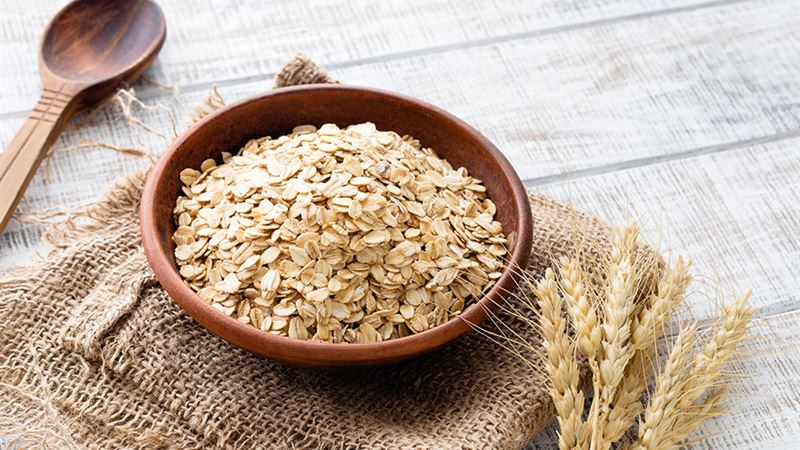
- Whole Grains and Fiber-Rich Foods: Replacing processed cereals with whole grains significantly benefits cholesterol levels. Foods such as oats, barley, and oat bran are rich in soluble fibers called beta-glucans, which block absorption of cholesterol and promote its excretion. Starting your day with a bowl of oatmeal or incorporating barley salads into meals can help lower circulating LDL cholesterol. Additionally, whole grain products provide sustained energy and support digestive health.
- Healthy Protein Sources: Legumes like lentils, chickpeas, and beans, as well as soy-based products including tofu, soy milk, and soy yogurt, are excellent plant-based protein options that can help lower LDL cholesterol. They are usually low in saturated fats and rich in beneficial nutrients, making them ideal for cardiovascular health.
- Seafood Benefits: Fatty fish such as salmon, mackerel, sardines, and tuna are rich in omega-3 fatty acids, which have potent anti-inflammatory properties. Regular consumption of seafood can significantly reduce triglyceride levels, decrease blood clot formation, and enhance overall heart health. Incorporate seafood into your diet at least twice a week for best results.
- Cooking Oils and Fats: Replacing saturated and hydrogenated fats with heart-healthy oils like extra virgin olive oil can make a substantial difference. Olive oil contains monounsaturated fats and antioxidants that support healthy cholesterol levels. Avoid trans fats found in many processed and fried foods, as they raise LDL cholesterol and lower HDL (good cholesterol).
Lifestyle Modifications for Optimal Cholesterol Control
- Regular Physical Activity: Engaging in at least 150 minutes of moderate exercise per week, such as brisk walking, cycling, or swimming, helps increase HDL cholesterol while lowering LDL cholesterol and triglycerides. Exercise also aids weight management and improves overall cardiovascular function.
- Weight Management: Achieving and maintaining a healthy weight reduces the burden on your heart and blood vessels. Excess weight is associated with higher LDL levels and lower HDL levels. A combination of balanced nutrition and regular exercise is the most effective approach to weight management.
- Limiting Alcohol and Smoking: Excessive alcohol consumption can raise triglyceride levels, while smoking damages blood vessels and decreases HDL cholesterol. Quitting smoking and moderating alcohol intake can lead to significant improvements in cholesterol profiles.
Medical Interventions for Cholesterol Regulation
- Statins (e.g., Livalo): Statins are among the most commonly prescribed medications to lower LDL cholesterol. Livalo, for example, works by blocking cholesterol synthesis in the liver. These medications are highly effective but should be used under medical supervision, and users may benefit from discounts through pharmacy programs.
- Cholesterol Absorption Inhibitors (e.g., Zetia): Zetia reduces the absorption of cholesterol from the intestines, thereby decreasing circulating LDL levels. Often prescribed alongside statins, it offers a complementary approach for better management.
- PCSK9 Inhibitors (e.g., Repatha): Repatha injections contain monoclonal antibodies that help the liver clear LDL cholesterol more effectively. Suitable for patients with familial hypercholesterolemia or those who do not respond adequately to other therapies, these injections have significantly improved cholesterol management outcomes.
Ultimately, managing cholesterol involves a comprehensive strategy that combines diet, exercise, lifestyle changes, and medication when necessary. Regular check-ups with your healthcare provider are essential to tailor the best approach for your specific health profile and ensure optimal heart health.