This detailed guide provides homeowners with practical tips for repairing common washing machine problems. From water supply issues and power failures to leaks, noise, and cycle problems, learn how to diagnose, troubleshoot, and fix your machine safely. Gain confidence in performing DIY repairs with step-by-step instructions and safety precautions. Keep your washing machine running smoothly, extend its lifespan, and save money on professional repairs by following these expert tips. Ideal for homeowners looking to maintain their appliances efficiently and effectively.
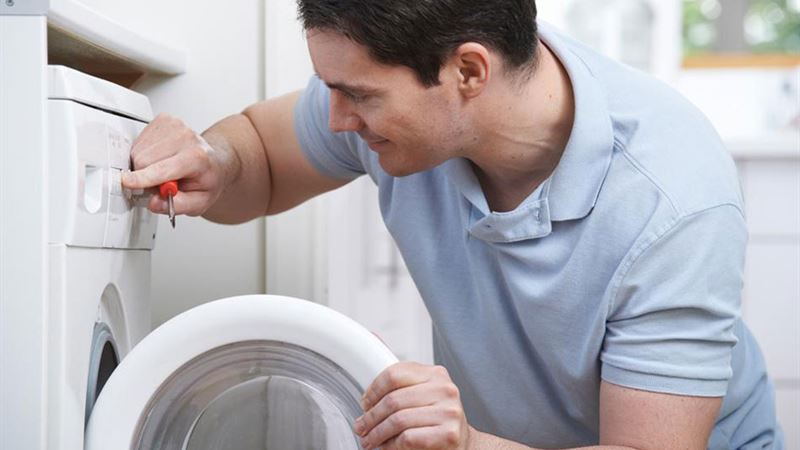
One of the first steps in diagnosing washing machine issues involves checking the water supply system. Ensure that the water hoses are properly connected, not kinked, and that the water valves are fully open. Low water pressure or a clogged inlet filter can impede water flow, leading to machine malfunction. Cleaning the inlet filters and verifying water supply integrity can often resolve these problems. If the water supply appears normal but the machine still doesn't operate correctly, it may be necessary to dismantle the washing machine's outer casing to inspect internal components for wear or damage. Always disconnect the power and water sources before opening the unit to prevent electrical hazards or water leaks. Identifying worn-out parts, dents, or broken components allows for targeted repairs, extending the lifespan of your appliance. If your washing machine refuses to power on or fails to start cycles, the control panel, timer, and switch mechanisms should be examined. The control panel manages various functions and signals, so a malfunction here can prevent operation. The timer, which governs cycle duration and water levels, might be faulty or disconnected. Testing these elements involves checking for loose wires, damaged switches, or faulty timers. If you notice wires soldered onto the timer that seem loose or disconnected, re-soldering them with a soldering gun can restore functionality. Should the control panel or timer be beyond repair, replacing these parts might be necessary, which typically requires some technical know-how or professional assistance. Leakage is a common issue in washing machines, often caused by loose or damaged water hoses. Inspect all hoses connected to the machine for signs of loosening, cracks, or bulges. Tightening the connections or replacing damaged hoses can effectively prevent water leaks. Also, check the door or lid seals, as worn-out gaskets can cause leaks during operation. For persistent leak issues, replacing the seals ensures a proper fit and prevents water from escaping during washing cycles. Unusual noises during operation and incomplete cycles are usually related to worn or broken belts, or issues with the drum or motor. If your washer makes loud banging or grinding sounds, or if it stops mid-cycle, it might be due to a damaged belt or a misaligned pulley. To fix this, open the rear panel of the washing machine, locate the belt, and inspect for cracks or signs of wear. Tightening or replacing the belt often resolves these problems. Additionally, examine the motor and drum suspension system for damage or obstructions. Proper maintenance and prompt repairs can keep your washing machine running smoothly and extend its usable life. Cleaning, inspecting, and repairing your washing machine at home is achievable with basic tools and some technical knowledge. Regular maintenance, such as cleaning detergent dispensers, checking hoses, and inspecting for worn parts, can prevent many common issues. However, for complex problems involving electrical components or internal circuitry, consulting a professional technician is recommended to avoid safety risks and ensure proper repairs. Follow the manufacturer's guidelines for disassembly and part replacement to avoid causing further damage. With patience and attention to detail, many washing machine problems can be fixed efficiently at home, saving money and downtime.
Remember, safety is paramount, so always disconnect power before servicing your appliance and wear appropriate protective gear. If you're unsure about handling electrical parts or internal components, seeking professional help is the safest choice. Regular maintenance and timely repairs can extend your washing machine's lifespan, improve efficiency, and prevent costly replacements. Equip yourself with the right tools, such as screwdrivers, pliers, a soldering gun, and replacement parts, to tackle common issues confidently and effectively.
