
Comprehensive Guide to Restoring and Maintaining Your Wooden Kitchen Cabinets
Discover detailed strategies for cleaning and maintaining your wooden kitchen cabinets. Learn about suitable cleaning agents, gentle techniques, and natural remedies like vinegar and baking soda to keep your cabinetry looking new. This comprehensive guide also covers routine maintenance tips to enhance durability and preserve natural beauty, ensuring your kitchen remains stylish and functional for years. Perfect for homeowners and professionals aiming for a pristine, long-lasting finish on their wooden cabinetry.
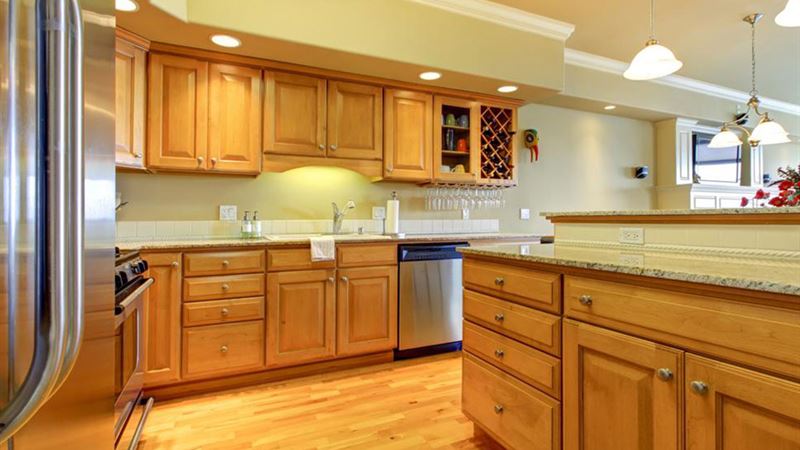
Maintaining the beauty and durability of your wooden kitchen cabinets is essential for a clean and inviting kitchen environment. Over time, dirt, grease, and everyday wear and tear can diminish their appearance. This extensive guide provides you with expert tips, effective cleaning methods, and maintenance strategies to keep your wooden cabinetry looking brand new for years to come.
Understanding the specific needs of wooden surfaces is crucial. Unlike other materials, wood requires gentle handling and appropriate cleaning agents that do not compromise its finish or structural integrity. This comprehensive approach will help homeowners and professional cleaners alike to preserve the natural charm of wooden kitchen cabinets without causing damage.
Choosing Appropriate Cleaning Products for Wooden Cabinets – The foundation of effective cleaning starts with selecting the right products. Special wood cleaners formulated with oil or soap-based solutions are highly recommended. These products are designed to nourish wood while removing dirt and grime, preventing the surface from drying out or becoming dull. Such cleaners are widely available in hardware stores and are straightforward to use.
Alternatively, household ingredients can be employed as cost-effective cleaning solutions. Common items like vinegar, baking soda, and mild detergents can be combined to create powerful yet gentle cleaning agents that safeguard your cabinetry.
Gentle Cleaning Techniques for Wooden Surfaces – When cleaning wooden cabinets, it's vital to limit the amount of water used, as excess moisture can cause warping, swelling, or paint damage. Prepare a mixture of water with a small amount of mild detergent or dish soap with grease-cutting properties. Use a soft cloth or sponge to apply this solution onto the cabinets carefully. Avoid soaking the wood; instead, lightly brush the mixture and wipe away the residue.
After cleaning, employ a second cloth dampened with plain water to rinse off residual soap, then immediately dry the surface with a soft, dry cloth. This process ensures the removal of dirt without jeopardizing the cabinet's finish.
Natural and Effective Cleaning Solutions Using Vinegar and Baking Soda – Vinegar is renowned for its natural cleaning power, especially in removing fingerprints, grease, and stubborn stains from wooden surfaces. To utilize vinegar effectively, dilute it with an equal amount of water, and then apply it with a soft cloth to the affected areas. This mixture brightens the wood and disinfects simultaneously.
For tougher stains or dried-on grime, crafting a paste of baking soda and water proves to be a highly effective method. Apply this paste gently on stained spots, allow it to sit for a few minutes, then scrub softly with a cloth or sponge. Always perform a patch test on a small, inconspicuous area before treating larger surfaces, to ensure compatibility and prevent unintended damage.
Additional Tips for Wood Cabinet Care and Maintenance – Regular dusting with a soft cloth helps maintain the overall appearance. Periodic polishing with a suitable wood polish can restore shine and provide a protective barrier. Be cautious with harsh chemicals or abrasive scrubbers, as these can scratch or strip the finish.
In addition, keep kitchen environments dry and well-ventilated to prevent moisture buildup. Avoid placing hot or wet items directly on wood surfaces, and use coasters or mats to protect the cabinetry. Routine maintenance, including checking for loose hinges or hardware, can prolong the lifespan of your cabinets and keep them functioning properly.
In summary, caring for wooden kitchen cabinets involves a blend of proper cleaning techniques, suitable products, and regular maintenance practices. Whether you're a homeowner or a professional cleaner, understanding these fundamental principles ensures your cabinetry retains its beauty, strength, and value over time.
By adopting these expert tips, you can enjoy a pristine, well-maintained wooden kitchen that enhances your home's overall aesthetic appeal.