
Comprehensive Guide to Effectively Clearing and Maintaining Your Drain Pipes
Learn essential techniques for clearing clogged drains, preventive maintenance tips, and when to seek professional plumbing assistance. This comprehensive guide helps homeowners maintain clean, efficient pipes, avoiding costly repairs and unpleasant odors. Discover natural remedies like baking soda and vinegar, effective tools such as drain snakes, and best practices for regular drain care to keep your plumbing system in top condition and prevent future blockages.
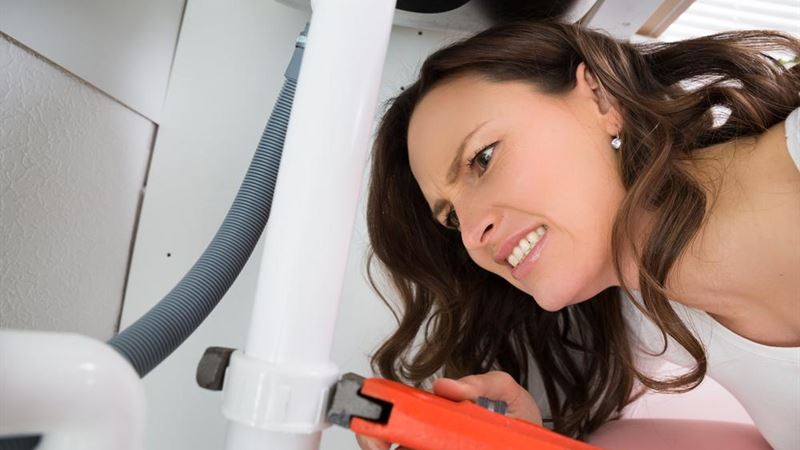
Strategies for Clearing Blocked Drains Effectively
When faced with a blocked drain, the first instinct might be to pour chemicals or attempt to dislodge the debris with household tools. However, many of these methods can be unsafe or ineffective. An initial approach involves using hot or boiling water, which can dissolve grease and soap scum, particularly in metal and PVC pipes. Carefully pouring boiling water (around 175 degrees Fahrenheit or 80 degrees Celsius) into the drain may loosen minor clogs. For stubborn grease buildup, combining baking soda and vinegar creates a foaming reaction that helps dislodge deposits inside the pipe. This eco-friendly method is safe for most plumbing systems and can be repeated periodically to keep drains clear.
For more challenging blockages, tools like drain snakes (or augers) are highly effective. A drain snake is a long, flexible wire that can reach deep into the pipe and break up or retrieve the clog. Mechanical augers are especially useful for hair and solid waste obstructing the pathway. Additionally, wet/dry vacuums set to exhaust mode can create a powerful suction to draw out debris. In extreme cases, professional plumbers use specialized equipment such as hydro jetters that blast water at high pressure to clear pipe walls effectively and thoroughly. These methods ensure complete removal of waste and restore proper drainage.
The Role of Professional Plumbing Services
While DIY techniques can resolve minor clogs, persistent or recurring blockages often require the expertise of licensed plumbers. Professionals possess advanced tools and knowledge, ensuring thorough cleaning without damaging the piping. For example, they can identify underlying issues such as tree root intrusion, pipe corrosion, or collapsed pipes that contribute to frequent blockages. Ensuring proper disposal practices and regular maintenance, coupled with professional inspections, helps prevent complex problems and prolongs the lifespan of your plumbing system. Engaging experts is especially crucial for commercial buildings or homes with outdated plumbing infrastructure.
Best Practices for Regular Drain Maintenance
Routine maintenance plays a vital role in preventing clogging and keeping drains functioning smoothly. Incorporate simple habits into your household routine to maintain healthy pipes:
- Periodic Cleaning: Regularly flush drains with a mixture of baking soda and hot water, ideally once a month. Baking soda neutralizes odors and dissolves minor residues, while hot water melts grease and soap scum.
- Installation of Strainers: Use strainers or mesh covers over sinks and drains to trap hair, food particles, and debris, preventing them from entering the pipes. Clean strainers weekly for optimal performance.
- Use of Natural Cleaners: Vinegar is an excellent natural disinfectant and cleaner. Pouring a mixture of vinegar and hot water helps in maintaining clear pipes without harsh chemicals.
- Proper Disposal of Waste: Never pour grease, oils, paints, or chemicals down the drain. Instead, dispose of these substances in designated waste containers.
- Prompt Removal of Hair and Lint: After showering or washing clothes, remove lint and hair from the drain area immediately to prevent accumulation.
By adopting these simple habits, homeowners and facility managers can significantly reduce the risk of drain blockages and maintain efficient plumbing systems.
Precautionary Measures to Prevent Drain Clogs
Prevention is always better than cure. Here are some key practices to minimize the chances of your drains becoming clogged:
- Avoid Pouring Grease and Oil: Always let cooking fats cool before disposal. Use paper towels to wipe excess grease into the trash to prevent it from entering the plumbing system.
- Proper Chemical Disposal: Avoid dumping chemicals or paints into drains, as they can corrode pipes and cause environmental hazards.
- Use Strainers in Kitchen and Bathroom Drains: These devices catch food particles, hair, and other debris, reducing the risk of blockages.
- Dispose of Large Food Waste Properly: Throw large food scraps into the garbage or compost bin, rather than forcing them down the drain.
- Take Immediate Action on Hair and Lint: Regularly remove accumulated lint from washing machine filters and hair from shower drains to prevent buildup that can lead to clogs.
Maintaining a clean and functioning drainage system not only improves hygiene but also saves money by avoiding costly repairs in the future. Regular inspection and mindful waste disposal are the key to a problem-free plumbing setup.