
Comprehensive Guide to Choosing the Optimal Fleet GPS Tracking Solutions
Discover comprehensive guidance on selecting the best fleet GPS tracking systems. This detailed article emphasizes real-time tracking, alerts, historical data, easy installation, and accessibility, helping you make informed decisions to enhance fleet safety, efficiency, and operational oversight. Whether you manage a small or large fleet, learn key features to optimize your tracking system and improve overall management. Equip your business with reliable GPS technology to streamline operations, reduce costs, and ensure security across your fleet today.
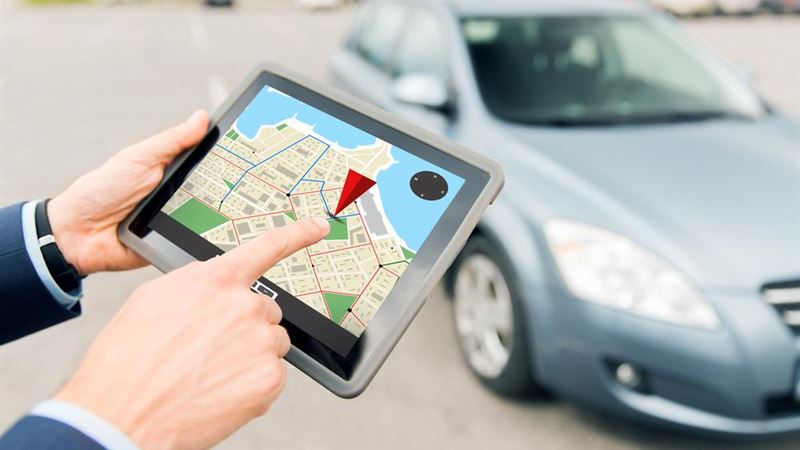
Many believe all GPS trackers function identically—locating vehicles at a given moment. This assumption can lead to costly mistakes, as the core capabilities and supplementary features of tracking devices vary widely. Each device is equipped with unique functionalities that cater to specific operational needs, ranging from simple location tracking to complex fleet management solutions. The effectiveness of a GPS device also hinges on its operational performance, including accuracy, latency, and reliability.
When searching for the best fleet GPS tracking system, several crucial factors should guide your selection process. Thorough evaluation ensures maximum benefits, enhances security, and helps you avoid unreliable or subpar devices. This comprehensive guide offers vital considerations to help you select a system aligned with your business objectives.
- Real-time Location Tracking
- Customizable Alerts and Notifications
- Historical Data and Reporting
- Ease of Installation and Setup
- User Accessibility and Remote Monitoring
- Operational Durability and Battery Life
- Compatibility and Integrations
- Cost and Return on Investment
Real-time tracking stands as the cornerstone of any effective fleet management system. A top-tier GPS device must provide live updates on vehicle locations without delays, allowing fleet managers to see precisely where each vehicle is at any given moment. This feature is invaluable for coordinating dispatches, optimizing routes, and responding swiftly to unforeseen circumstances. Accurate real-time data ensures that your operations run smoothly, enhances transparency, and reduces the risk of vehicle theft or misuse.
A reliable GPS tracking system offers a suite of alerts tailored to your operational needs. Common alerts include speed violations, unauthorized route deviations, excessive idling, fuel consumption surges, or engine issues. These notifications empower fleet managers to act promptly, addressing potential problems before they escalate. An effective system should allow customization of alert thresholds to adapt to specific industry standards and operational policies. Such proactive monitoring supports safety, compliance, and cost-efficiency.
Beyond real-time tracking, comprehensive fleet management requires access to historical data. The ideal system stores detailed records of vehicle movements, routes taken, stops made, and durations. This data is invaluable for analyzing driver behavior, planning maintenance schedules, and generating compliance reports. Fleet managers, especially those involved in logistics and freight, rely on these insights to improve efficiency, accountability, and security. The ability to retrieve and review past activity seamlessly can be a game-changer in operational oversight.
Ease of installation significantly influences the practicality and overall cost-efficiency of a GPS system. Opt for devices that are straightforward to install, preferably without requiring specialized tools or extensive technical expertise. Some trackers are plug-and-play, fitting directly into existing vehicle ports, while others may require professional installation. Simple installation minimizes downtime and reduces installation costs, enabling quicker deployment across your fleet.
Accessible monitoring interfaces, including mobile apps and web portals, are vital for modern fleet management. The best systems provide seamless access to live data from any location, at any time, including during late-night hours. Intuitive dashboards allow fleet managers or vehicle owners to oversee vehicle status effortlessly. Moreover, remote access facilitates quick decision-making, vehicle recall, or intervention, especially when you're away from your base of operations. Prioritize systems with user-friendly interfaces and robust remote accessibility features.
Fleet vehicles often operate in challenging environments, so durability and reliable power sources are essential. Consider GPS trackers built to withstand harsh weather, vibrations, and potential tampering. Additionally, battery life plays a critical role—devices with extended battery life reduce maintenance schedules and ensure continuous tracking even if the main power source is temporarily disconnected.
Ensure the GPS system integrates smoothly with your existing fleet management software or enterprise systems. Compatibility can streamline data sharing, reporting, and overall operational workflows. Integration also supports scaling your fleet, adding new vehicles, or incorporating advanced analytics features in the future.
Cost considerations are unavoidable. Balance affordability with functionality to maximize ROI. Expensive systems may offer advanced features, but simpler models could suffice for smaller fleets. Evaluate the long-term benefits, such as increased safety, reduced fuel costs, and improved compliance, to determine value for money. Don't compromise on essential features; instead, choose a system that delivers maximum operational benefits within your budget.
In summary, selecting the optimal fleet GPS tracking system involves careful consideration of key features like real-time location updates, alerts, historical data, ease of installation, accessibility, durability, integration capabilities, and overall cost. A thoughtful choice can significantly enhance your fleet's safety, efficiency, and compliance, ensuring your business remains competitive and resilient in today's fast-paced logistics landscape. Remember, investing in a reliable GPS system today paves the way for smarter fleet management tomorrow.
Ensure you analyze your specific operational needs, consult reviews and industry experts, and choose a device that aligns with your goals to reap the full benefits of an advanced fleet GPS tracking solution.