
Essential Guidelines for Selecting the Ideal GPS Fleet Management System
Discover comprehensive strategies for choosing the perfect GPS fleet management system. This guide covers goal setting, future planning, comparison tips, and staff training to help optimize fleet efficiency and security. Make an informed decision today for a smarter, more productive fleet operation.
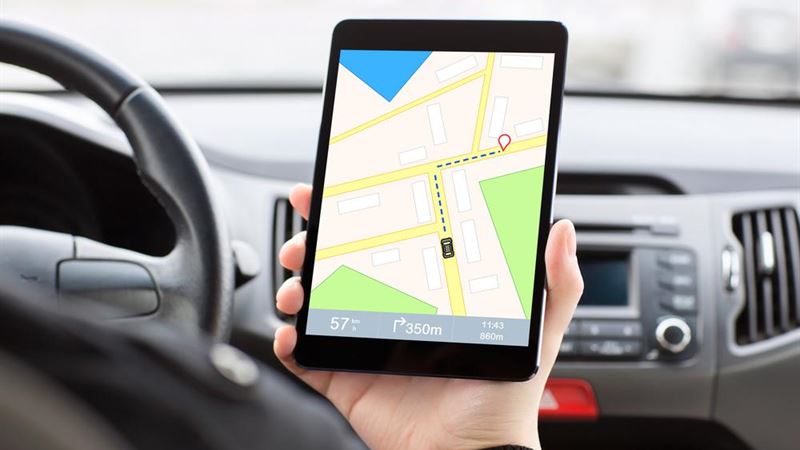
Define Your Fleet Management Objectives: The first step in selecting a GPS tracking system is to clearly identify your fleet management goals. This requires detailed internal discussions with various departments involved with fleet operations—such as logistics, maintenance, customer service, and drivers. Understanding what each department requires will help pinpoint the specific features your GPS system should have. For instance, are you aiming to improve customer satisfaction by ensuring timely deliveries? Do you want to reduce fuel consumption and operational costs? Is driver safety a top priority? Or perhaps you need better vehicle security against theft? By clearly articulating your objectives, you can ensure that the system you choose addresses your most pressing challenges effectively.
Assess Future Needs and Scalability: As your business grows, so will your fleet requirements. Hence, it’s essential to select a GPS system that can evolve with your enterprise. Cloud-based solutions are increasingly popular because of their flexibility, accessibility, and cost-effectiveness. These platforms allow you to monitor your fleet from anywhere with an internet connection, provide automatic updates, and often come with scalable features that you can add as needed. Modular systems are also advantageous; they let you start with a basic package and expand functionalities when your operations demand more complex features. Ensure the chosen system can support future expansion and offers comprehensive data analytics to enhance productivity and profitability over time.
Evaluate and Compare Options through Demos: Once you have a clear understanding of your needs, narrow down your options to two or three providers. The best way to evaluate these options is through hands-on demonstrations, video walkthroughs, and product reviews. Schedule live demonstrations with the providers to see how their systems function in real-time, preferably with trucks similar to your fleet. Installing trial versions on a few vehicles can help you assess ease of use, data accuracy, and integration capabilities. Additionally, seek feedback from other companies that have implemented these systems. Their insights can be invaluable in understanding potential challenges and benefits.
Engage and Train Your Team: Proper training is crucial to maximize the benefits of your GPS fleet management system. Ensure that all relevant personnel—including drivers, dispatchers, maintenance teams, and managers—are thoroughly trained on how to use the system effectively. Conduct comprehensive training sessions, manuals, and refresher courses if needed. Well-trained staff will utilize the system to its fullest potential, from tracking and reporting to vehicle maintenance alerts. This investment in education will lead to improved operational efficiency, better compliance, and a higher return on your technology investment.
In conclusion, selecting the right GPS fleet tracking system requires deliberate planning, evaluation, and training. By defining clear objectives, considering future growth, rigorously comparing options, and investing in staff training, fleet managers can ensure they choose a solution that not only meets current needs but also supports ongoing business success. Embrace technology thoughtfully, and your fleet operations will benefit from enhanced safety, improved productivity, and significant cost savings.