
Essential Guide to Purchasing Quality Used Auto Parts
This comprehensive guide offers invaluable insights into buying used auto parts safely and cost-effectively. It covers sourcing reliable sellers, understanding warranty policies, assessing parts' history, and prioritizing safety. Learn practical tips to avoid scams, make informed decisions, and get durable components for your vehicle. Whether repairing or upgrading, this detailed advice will help you save money while ensuring vehicle safety and longevity. Master the art of purchasing quality used auto parts with confidence and peace of mind.
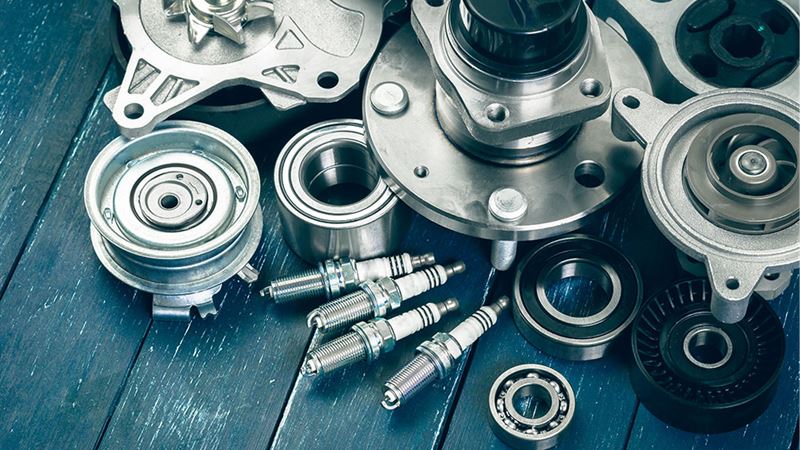
Buying used auto parts can be a smart way to save money while maintaining your vehicle's performance. However, it requires careful research and strategic decision-making to ensure you get reliable components. Knowing which parts are trustworthy, understanding warranty policies, and evaluating the history of the parts are crucial for a successful purchase. This comprehensive guide explores the essential factors to consider when buying used auto parts, helping you avoid scams, select high-quality components, and make cost-effective decisions. Whether you're repairing an old vehicle or upgrading your current ride, mastering the art of buying used auto parts can lead to significant savings and enhanced vehicle longevity.
Identify Reliable Sources and Availability
One of the first steps in purchasing used auto parts is to identify reputable sources. Not all dealers or stores sell quality parts; some may offer worn-out or counterfeit components. Therefore, thorough research is essential. Start by exploring trusted websites like qogori.com, sparehubs.com, and other verified auto parts marketplaces that provide detailed information about their suppliers. These platforms often feature user reviews, ratings, and comparison tools that help you assess the reliability of different sellers. Additionally, local junkyards and auto salvage yards can also serve as valuable sources for genuine used parts at competitive prices.
When scouting for parts, consider the geographical location and shipping options. Some regions have stricter quality controls, and local sources may offer better warranties or return policies. Always prioritize vendors with a proven track record of providing authentic and well-maintained auto components. Remember, quality used parts should meet safety standards and be compatible with your vehicle's make and model.
Check Warranty and Return Policies
Before making a purchase, meticulously review the warranty policies offered by the seller. A reputable dealer should provide warranty coverage for their used auto parts, allowing you to return or exchange faulty components within a specified period. Warranty details demonstrate the seller's confidence in their parts' quality and give you peace of mind in case the item fails prematurely.
Ask about return policies upfront—know the procedures for returning defective parts and whether restocking fees apply. Some sellers may offer limited warranties, such as 30–90 days, while others might guarantee longer periods for certain high-quality components. Keep all transaction records, receipts, and warranty documents organized for future reference. Investing in parts backed by strong warranties ensures protection against unforeseen issues and prevents unexpected expenses.
Trace the Parts' History and Lifecycle
Understanding the background of used auto parts is vital to ensure their reliability and durability. Investigate where the parts originated from and how they have been used previously. A transparent seller should provide information about the vehicle's history from which the part was removed, including miles driven, maintenance records, and any past repairs.
Assessing the lifecycle of a used part involves examining its physical condition, wear marks, and whether it has been refurbished or reconditioned. Check the parts for corrosion, cracks, dents, or other signs of damage. Comparing the prices of similar parts from different sources can also help you gauge authenticity and value. Pay attention to the shipping route or region of origin, as parts from certain areas may have varying levels of wear or corrosion. Responsible sourcing and proper inspection can significantly extend the lifespan of your used auto parts.
Know Your Priorities and Be Prepared to Compromise
When purchasing used auto parts, striking a balance between cost, quality, and appearance is crucial. Ideally, you want parts that fit well, function reliably, and cost less than new components. However, it's often necessary to make compromises. For example, you might prioritize a specific color or finish, but in reality, you may need to accept a slightly different shade or surface appearance to stay within budget.
Similarly, durability might take precedence over aesthetics. If the component is under the hood and not visible, appearance is less critical than performance and longevity. Be flexible and prioritize your needs wisely, understanding that some trade-offs are inevitable. Focus on parts that meet safety standards and function correctly, rather than solely on visual match or minor imperfections. Thoughtful compromise ensures you get the best value for your money without sacrificing essential quality.
Prioritize Safety Above All Else
Safety should always be your top priority when buying used auto parts. Be wary of deals that seem too good to be true—extremely low prices might indicate substandard or counterfeit parts. Deal only with reputable vendors who provide detailed descriptions, clear images, and warranty assurances. Avoid deals where the seller is reluctant to disclose the full history or refuses to offer warranty coverage.
Examine the quality of critical safety-related components such as brakes, airbags, suspension parts, and steering mechanisms. Using damaged or counterfeit parts can jeopardize your safety and that of your passengers, and potentially lead to accidents or vehicle failure. Whenever in doubt, consult a professional mechanic or auto expert before purchasing or installing used parts. Saving a few dollars is not worth compromising safety; always invest in quality and authenticity.
Manage Your Budget Smartly
While buying used auto parts is a cost-effective approach, it can also tempt you to spend beyond your means if you’re not cautious. Avoid impulsive purchases, and do thorough research to determine fair market prices for the parts you need. Recognize that not every cheap part is a bargain—some may be defective or unreliable.
Look for trustworthy sources such as licensed junkyards, certified auto salvage centers, and reputable online marketplaces. These often offer quality parts at reasonable prices, sometimes matching or even undercutting the prices of unverified vendors. Remember, investing a little extra for proven quality and warranty coverage can save you money in the long run by avoiding costly repairs or replacements.
It's wise to be patient and comparison shop before committing to a purchase. Keep an eye out for discounts, bulk deals, and seasonal sales to maximize savings. Effective budgeting combined with diligent research ensures you spend wisely and get durable, safe auto parts without draining your finances.
Dedicate Time to Research and Learning
Buying used auto parts is not a process to be rushed. Invest time in learning about the different types of parts, their typical lifespan, and how to identify quality components. Browse online forums, automotive websites, and tutorial videos to familiarize yourself with the nuances of used auto parts investment.
Building knowledge helps you recognize reputable sellers, decipher product descriptions, and avoid common pitfalls. Engage with experienced enthusiasts or mechanics who can offer valuable insights and recommendations. The more informed you are, the better your chances of making wise, safe choices that will serve your vehicle well over time. Patience and education are key to mastering the art of buying used auto parts effectively and confidently.
Use Online Resources and Expert Advice
Leverage online platforms to browse a vast array of used auto parts, compare prices, and read customer reviews. Websites dedicated to auto parts, forums, and social media groups are excellent sources of real-world advice and recommendations. Don't hesitate to ask for expert opinion—whether from a trusted mechanic or knowledgeable friend—to verify the quality and authenticity of a specific part.
Stay updated on industry standards, common scams, and upcoming sales events. Participating in discussion groups and reading expert blogs can help you develop a keen understanding of what makes a used auto part reliable or suspicious. Utilizing these resources can significantly enhance your purchasing experience, reduce risks, and ensure that you acquire parts that are safe, functional, and long-lasting.
In conclusion, buying used auto parts is a practical and economical choice when approached with the right knowledge and caution. Focus on finding trusted sources, understanding warranties, reviewing the history of the parts, and prioritizing safety. Be prepared to make some compromises, manage your budget wisely, and invest time in research. With patience and due diligence, you can confidently select high-quality used auto components that will keep your vehicle running smoothly while saving you money. Always remember, safety is paramount—prioritize reputable sellers and reliable parts to ensure your road safety and peace of mind.