
Ultimate Guide to Selecting the Perfect Running Shoes for Your Needs
Discover the ultimate guide to choosing the perfect running shoes tailored to your body, foot type, and running terrain. Learn tips on fit, support, and style to boost performance and prevent injuries. Find out how to measure your feet accurately, identify your gait, and select shoes that combine comfort with fashion. Whether you’re a casual jogger or a seasoned marathoner, this comprehensive advice helps you make informed choices for the best running experience possible.
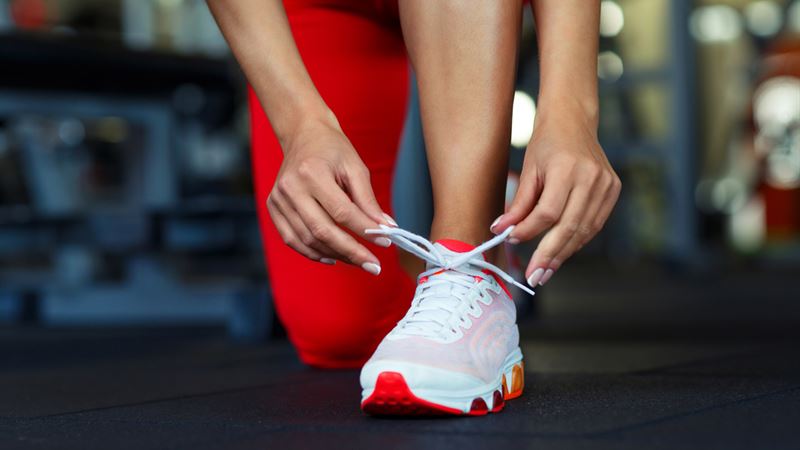
Choosing the right running shoes is a crucial aspect of maintaining comfort, preventing injuries, and enhancing your running experience. Whether you’re a casual jogger or an elite marathon runner, understanding how to select suitable footwear tailored to your specific needs can significantly improve your performance and enjoyment. This comprehensive guide covers everything you need to know about buying the ideal running shoes, from understanding terrain and personal biomechanics to selecting the correct fit and style. Read on to get expert advice that will help you make informed decisions for your running footwear.
Running shoes are more than just athletic gear; they are essential equipment designed to support your feet, absorb impact, and provide stability. With countless brands and models available today, choosing the perfect pair can seem overwhelming. However, by focusing on key factors like your body type, foot arch, gait, and personal preferences, you can find footwear that complements your unique running style. In this guide, we also explore how to identify your foot's arch type, measure your feet accurately, and balance comfort with style, all while considering the latest advancements in running shoe technology.
One of the first considerations before purchasing running shoes is understanding the terrain where you'll be running. Different surfaces call for different shoe features. For example, shoes designed for trail running often have aggressive tread patterns for traction and more durable outsoles, while road running shoes prioritize cushioning and lightweight construction. Knowing your typical running environment helps you narrow down your options effectively. Major brands like ASICS, Nike, Adidas, New Balance, and Brooks offer specialized lines that cater to various terrains and running styles. Many of these brands now provide online tools and detailed specifications to assist you in making the right choice from the comfort of your home.
Another vital aspect is recognizing your running style—are you a jogger, a marathoner, or someone who runs for leisure? Runners often have different needs based on their pace, intensity, and frequency. For instance, runners with a higher cadence may prefer lightweight shoes that promote quick, natural movements, whereas those with a more pronated gait may need stability shoes to prevent rolled ankles and injuries. Familiarity with your gait pattern can be a game-changer; if uncertain, consulting a gait analysis or visiting a specialized running store can help identify your profile and recommend the best shoe type.
Body type also influences shoe selection. People with different body weights, limb lengths, or biomechanics require footwear that offers appropriate support and cushioning. For example, heavier runners might benefit from shoes with more shock absorption to reduce joint impact, while lighter runners may prefer lightweight, flexible shoes that enhance speed and agility. Many brands, including ASICS, design shoes with various support levels and foam densities to accommodate diverse needs. While trying on shoes, pay attention to how they feel—are they snug without pinching? Do they provide adequate support without restricting movement? Comfort should always be your primary criterion.
Foot arch type is another critical factor. Your arch—whether high, neutral, or flat—dictates the type of shoe that will best suit your biomechanics. Flat-footed runners tend to overpronate, rolling the foot inward during each stride, so they often need stability shoes with firm midsoles. Conversely, high-arched runners may supinate, requiring cushioned shoes that absorb impact effectively. To determine your arch, you can perform a simple wet test: wet your foot, step on a piece of paper, and observe the footprint. The shape will reveal your arch type, guiding you toward shoes designed explicitly for your needs. Many sports stores and online retailers, like ASICS, include detailed descriptions and recommendations based on foot arch profiles.
Accurate measurement of your feet is fundamental before purchasing running shoes. Shoe sizing is not standardized across brands and even models, so always measure both feet and consult size charts provided by the manufacturer. To measure at home, trace your foot on a piece of paper, mark the longest points, and measure the length and width. When shopping online, use the brand-specific sizing guide to avoid mismatches that could lead to discomfort or injury. Consider trying shoes on later in the day when your feet are slightly swollen to ensure a proper fit. Remember, a well-fitted shoe should offer a snug fit around your heel and midfoot without pinching your toes or causing pressure points.
Beyond fit and biomechanics, style and comfort are equally important. Modern running shoes come in a variety of colors, designs, and materials that reflect current fashion trends. While aesthetics shouldn’t compromise function, you can find options that blend both aspects seamlessly. Many brands, including ASICS, offer stylish models with innovative features like breathable mesh uppers, moisture-wicking linings, and sleek silhouettes that suit both performance needs and personal style preferences. Don’t forget to consider the overall weight of the shoes; lighter shoes tend to be more comfortable for faster-paced running, but ensure they still provide adequate support.
Price is another factor when selecting running shoes. While it might be tempting to opt for the cheapest options, investing in quality footwear pays off through better durability, support, and injury prevention. Keep an eye out for seasonal sales, discounts, and promotional offers—many online retailers and brand stores regularly host sale events. However, avoid sacrificing quality for cost; always prioritize features that meet your specific running requirements. Online shopping platforms like ASICS’ official website or trusted sports retailers enable you to browse extensive catalogs, read customer reviews, and compare models easily. Many brands also provide detailed product descriptions and videos to help you understand the features and benefits of each shoe.
In conclusion, selecting the right running shoes involves understanding your terrain, gait, body type, foot arch, and personal preferences. By taking the time to measure accurately and analyze your running style, you can choose footwear that not only enhances your performance but also minimizes injury risk. Remember that comfort, support, and style are all vital components of a satisfying running experience. With the growing availability of online shopping and specialized footwear options, finding the perfect pair has never been easier. Invest wisely in your running shoes today, and enjoy the benefits of a more comfortable, injury-free, and enjoyable running journey.