
Choosing the Perfect Athletic Footwear: A Comprehensive Guide to Selecting Quality Running Shoes
Discover comprehensive tips for choosing high-quality running shoes tailored to your foot shape and activity needs. Learn how to identify the right fit, understand foot anatomy, and maintain your shoes for optimal performance and injury prevention. This guide ensures you select footwear that enhances comfort, support, and durability across all your physical pursuits, making every workout safer and more effective.
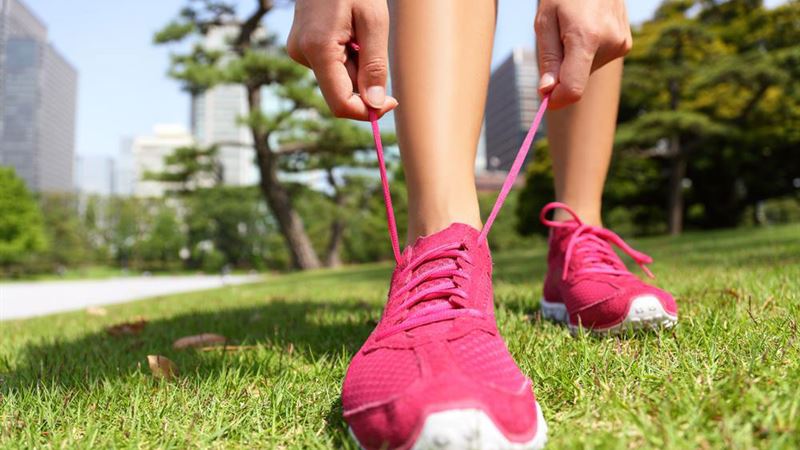
Understanding the Significance of Activity-Specific Shoes:
When it comes to sports footwear, versatility can be misleading. Different physical activities impose unique demands on your feet, and consequently, require specialized shoes. For example, gym trainers designed for weightlifting or general gym workouts differ significantly from shoes built explicitly for running or playing sports like basketball or tennis. Wearing the wrong type of shoes can lead to discomfort and increase the risk of injuries such as sprains, pulled muscles, or stress fractures. Hence, it’s crucial to select shoes that are engineered for specific activities to enhance performance and safeguard your health.
Choosing the Right Shoes for Your Foot Anatomy:
The foundation of comfortable and supportive footwear lies in knowing your foot structure. Many overlook this critical step, opting instead for trendy offerings without considering comfort. To determine which shoes will serve you best, consider performing a simple assessment of your foot shape. Visit a shoe store, preferably at the end of a busy day when your feet are swollen, to get a realistic feel for fit and comfort. Try on multiple pairs to see which ones envelop your foot snugly without pinching or causing pressure points. Bringing your own socks, especially the ones you wear during workouts, can give you a more accurate idea of fit.
An effective method for understanding your foot shape is the wet foot test. Wet the soles of your feet and step onto a piece of paper. Your footprints will reveal whether you have a normal arch, high arch, or flat feet. This insight guides you in choosing shoes with appropriate support features—stability for flat feet or cushioning for high arches. Recognizing your foot’s contours ensures that you pick shoes that provide the necessary support, reduce fatigue, and promote proper alignment during activity.
Importance of Proper Fit and Comfort:
When trying on shoes, aim for a fit that allows about a thumb's width of space behind the heel and around the toes. Shoes that are too tight can cause blisters and restrict blood flow, while loose shoes compromise stability. Remember, feet tend to swell during activity, so ensure your shoes are comfortable enough to accommodate slight swelling. Shoes should hug your feet snugly without pressure points, especially around the midfoot and arch. Ensure the sole provides adequate cushioning, but also maintains enough firmness to support your foot's natural movements.
Replacing Worn-Out Shoes to Prevent Injuries:
Regularly replacing your sports shoes is essential to avoid injuries caused by worn-out soles and decreased support. Typically, athletic shoes should be replaced every 300 to 500 miles of running, or approximately every 6 to 12 months depending on usage. As shoes age, their cushioning compresses, and the structural integrity diminishes, leading to increased strain and potential injury risk. Keep an eye out for signs like sole deterioration, loss of cushioning, or discomfort during use—these are indicators it’s time for a new pair.
To make your shopping more economical, consider using online coupons or discount codes offered by reputable brands. Many stores provide sales on high-quality brands like Jordan, allowing you to purchase top-tier running shoes at more affordable prices. Whether shopping in-store or online, compare prices and read reviews to ensure you’re investing in durable, well-designed shoes that meet your specific requirements.
Ultimately, selecting the right running shoes involves a combination of activity-specific design, understanding your foot anatomy, ensuring proper fit, and maintaining your footwear over time. Taking these steps will not only enhance your athletic performance but also help you stay safe and injury-free during every workout session or sporting event.