
Comprehensive Guide to Choosing the Perfect Mattress for Restful Sleep
Choosing the right mattress is crucial for restful sleep and overall health. This comprehensive guide covers natural latex options, adjustable features, foam support, and key factors like breathability and firmness. Learn how to select a mattress that suits your needs for pain relief, comfort, and durability, ensuring better sleep quality and well-being. Ideal for those with joint pain, back issues, or seeking personalized support, these expert tips help you make an informed investment in your sleep health.
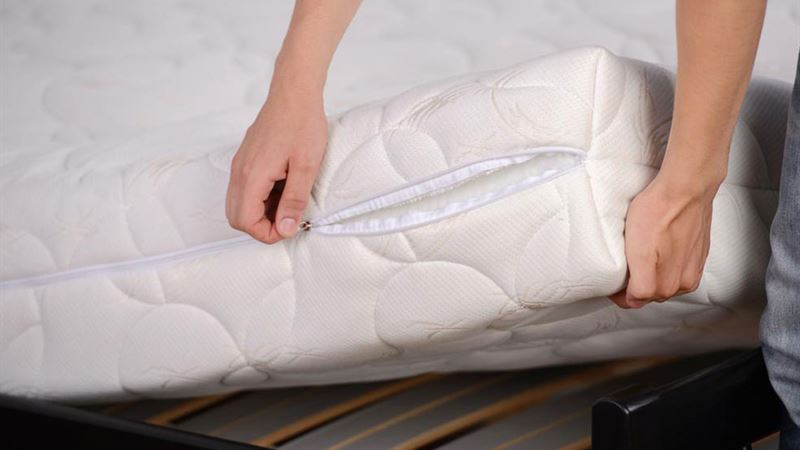
Getting a good night’s sleep is essential for overall health, productivity, and well-being. If you frequently wake up feeling tired, experience persistent back or neck pain, or struggle with insomnia, it might be time to evaluate your mattress. Choosing the right mattress can significantly impact sleep quality and daytime energy levels. This comprehensive guide will provide detailed insights into selecting a mattress that best fits your needs, ensuring comfort, support, and longevity. From understanding different materials to exploring adjustable features, we will cover all critical aspects to help you make an informed decision.
Purchasing a new mattress is a significant investment, and making the wrong choice can lead to discomfort and frequent replacements. With numerous options available in today’s market—ranging from natural latex to memory foam and hybrid designs—it is crucial to understand the features, benefits, and drawbacks of each type. We will delve into the importance of sleep posture, health considerations, and personal preferences to guide you toward the ideal mattress. Whether you have specific health issues like joint pain or simply desire a more restful sleep, our detailed tips will help you narrow down your choices effectively.
Prioritize Natural and Safe Materials
One of the fundamental considerations when choosing a mattress is the material used in its construction. Natural latex mattresses have gained popularity due to their health benefits and environmental friendliness. These mattresses are made from the sap of rubber trees, offering a natural, non-toxic sleeping surface that minimizes exposure to harmful chemicals often found in synthetic mattresses. If you are prone to allergies, asthma, or have sensitive skin, natural latex offers a hypoallergenic and breathable option, promoting better airflow and reducing heat buildup during sleep.
Compared to synthetic foams or coir-based mattresses, natural latex responds well to body contours while maintaining its shape over time. This adaptability helps reduce pressure points—especially critical for those with joint or back pain. Additionally, natural latex mattresses exclude petrochemical components, preventing the emission of volatile organic compounds (VOCs) which can cause respiratory irritation. Opting for certified natural latex products ensures safety, quality, and environmental sustainability.
Embrace Adjustable Mattresses for Personalized Comfort
Having an adjustable mattress can transform your sleeping experience, especially if you suffer from neck pain, spinal issues, or frequently change sleep positions. These mattresses allow you to modify the angle of your upper and lower body, providing customized support tailored to your needs. Adjustable features can help alleviate pressure on the spine, improve blood circulation, and reduce symptoms of acid reflux or sleep apnea.
Many modern adjustable mattresses come with remote controls or smartphone apps, enabling effortless adjustments before sleeping or during the night. When shopping, carefully read product descriptions and reviews to verify if the mattress is truly adjustable. Some manufacturers may omit this detail, but it’s an important feature that can significantly enhance sleep quality.
Choosing an adjustable mattress is especially beneficial for people with chronic pain or mobility issues, as it allows for easier getting in and out of bed, and a more comfortable sleeping position. Moreover, adjustable beds can be paired with other supportive accessories like memory foam toppers, enhancing overall comfort.
Select the Right Foam Material for Comfort and Support
Memory foam and other specialized foam layers are popular among consumers seeking pressure relief and support. Unlike coir-based mattresses, foam mattresses are highly adaptable, conforming closely to your body's shape and weight distribution. They help alleviate pressure points on the hips, shoulders, and back, which are common areas of discomfort.
Foam mattresses are also known for their durability and ability to retain shape over time. They typically feature multiple layers incorporated with different densities, allowing you to customize firmness levels to match your preference. Additionally, foam’s gentle contouring can aid in spinal alignment, reducing the likelihood of aches and pains.
When choosing foam mattresses, consider the density and type. Gel-infused foams offer cooling properties, while plant-based foams reduce chemical emissions. Always check reviews and certifications to ensure the foam used is safe and eco-friendly.
Additional Factors to Consider in Mattress Selection
Beyond material and adjustability, there are other important elements to consider for optimal comfort and durability. Softness or firmness levels should match your sleeping position—side sleepers generally prefer softer mattresses, while back and stomach sleepers might need firmer support. Evaluate mattress height; higher models often contain more material but may be harder to get in and out of if mobility is an issue.
Ventilation and breathability are critical for maintaining a comfortable sleeping environment. Look for mattresses with breathable covers and good airflow channels to prevent heat buildup. Edge support is also essential for maximizing sleeping surface and ease of movement.
Moreover, weight and motion transfer are vital if you share a bed; a mattress with low motion transfer will minimize disturbances caused by a partner’s movements. Always research warranty and return policies to safeguard your purchase.
Lastly, consider your budget. While investing in a quality mattress may seem costly initially, it pays off in durability, health benefits, and improved sleep quality over time. Seek reputable brands with positive customer feedback, and do not compromise on essential features for the sake of savings.
In conclusion, selecting the right mattress involves understanding your specific needs, exploring materials, and paying attention to features like adjustability and support. By evaluating this information carefully, you can find a mattress that offers restful sleep, health benefits, and long-term satisfaction. Remember, a good mattress is an investment in your health, happiness, and quality of life.