
Ultimate Guide to Selecting the Ideal Mattress for Your Sleep Needs
Discover comprehensive tips on choosing the perfect mattress tailored to your sleeping habits, health needs, and budgets. Learn about materials, support levels, allergy considerations, and how to find the best value through sales and trials. Making an informed decision ensures better sleep quality, improved health, and a worthwhile investment for your comfort and wellbeing.
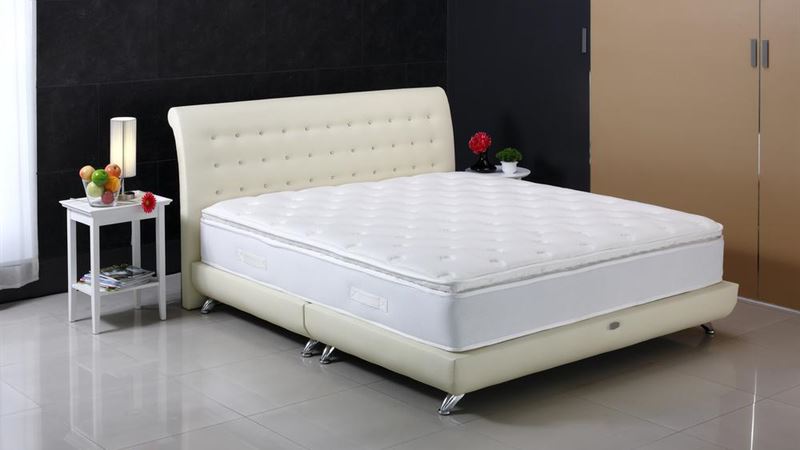
Choosing the right mattress is a crucial step towards achieving restful sleep and ensuring long-term health benefits. With a vast array of options available in the market, selecting a mattress that aligns with your comfort preferences, health conditions, and budget can be overwhelming. This comprehensive guide aims to help you understand the various types of mattresses, factors to consider based on your sleep style and health needs, and tips for making an informed decision. An investment in a quality mattress is an investment in your overall wellbeing, so take your time and choose wisely.
Prioritize high-quality materials for durability and comfort
When selecting a mattress, focus on durability and comfort by choosing materials known for their longevity and support. Common options include memory foam, innerspring coils, hybrid models, latex, and foam. Each material has unique properties that cater to different preferences. Memory foam is renowned for contouring to your body, providing excellent pressure relief. Innerspring models tend to be more responsive and offer better bounce, while hybrid mattresses combine the best of both worlds with foam and coils. Latex mattresses are naturally resilient, hypoallergenic, and resistant to mold and dust mites, making them suitable for allergy sufferers.
While high-quality mattresses might initially cost more, they are a worthwhile investment that can last several years, offering consistent support and comfort. A cheap, low-quality mattress may lead to discomfort, poor sleep quality, and even health issues over time. Always check for warranties and sleep trial periods, which can help you assess if a mattress truly suits your needs.
Allergy considerations and hypoallergenic options
If you have allergies, sensitive skin, or respiratory issues, selecting a hypoallergenic mattress is essential. Latex mattresses, particularly natural latex, are excellent options because they resist mold, dust mites, and fungi. Memory foam and certain foam mattresses designed with hypoallergenic covers can also be beneficial. It's advisable to opt for mattresses encased in allergen-resistant covers to prevent irritants from accumulating. Regularly cleaning and airing out your mattress can further reduce allergen buildup and improve indoor air quality.
For innerspring mattresses, ensure they are protected with allergen-proof covers, which help keep irritants away from your skin and respiratory pathways. Proper hygiene and maintaining a clean sleep environment are key to reducing allergy symptoms related to your mattress.
Match your mattress to your sleeping position
Your preferred sleeping posture greatly influences the type of mattress that will provide optimal support. If you sleep on your stomach, a soft mattress might cause your body to sink, leading to pressure points and discomfort. Therefore, a denser innerspring or latex mattress, which offers firmer support, may be more suitable. Conversely, side sleepers need a mattress that cushions their shoulders and hips, providing pressure relief on joints. Memory foam, latex, and innerspring mattresses with plush top layers are ideal for side sleepers.
Back sleepers typically benefit from medium-firm mattresses that support spinal alignment without causing stiffness. Hybrid mattresses or innerspring models with moderate firmness are often preferred for their balance of support and comfort. Experimenting with different comfort levels can help you find the perfect fit for your body’s needs.
Helping your back and joints with the right mattress
If you suffer from back pain, scoliosis, osteoporosis, or joint issues, choosing a supportive mattress becomes even more critical. A medium-firm mattress that maintains proper spinal alignment and distributes pressure evenly can alleviate discomfort. Latex and hybrid mattresses are often recommended for their balance of firmness and contouring support. Avoid overly soft mattresses, as they may cause your spine to sag, worsening pain, while excessively firm mattresses might create additional pressure points.
Individuals with significant weight should consider firmer mattresses, such as latex or hybrid models, which can prevent sagging and offer better support. Many brands now offer trial periods allowing consumers to test mattresses at home and return if they experience discomfort. Keep an eye out for seasonal sales, especially on high-end models designed for back support, to secure quality options at a reduced price.
Account for body weight in your choice
Body weight influences how a mattress performs and how supportive it feels. Heavier individuals typically require a firmer, more supportive mattress, such as a hybrid or innerspring, to prevent sinking and ensure proper distribution of weight. Memory foam may heat up and feel less supportive for heavier sleepers, so opting for high-density foam or latex can improve comfort and durability. Conversely, lighter individuals often prefer softer mattresses that provide sufficient cushioning without feeling too firm.
In addition to material choice, consider mattress features like edge support, airflow, and the mattress’s overall resilience. Some brands offer adjustable firmness options, which can be beneficial for people with fluctuating preferences or specific health concerns.
Making an informed purchase and maximizing your investment
When shopping for a mattress, do not rush the decision. Take advantage of trial periods offered by many manufacturers, allowing you to test the mattress in your home environment. Keep in mind that a mattress is a long-term investment impacting your health, sleep quality, and overall quality of life. Seek discounts and sales during holiday seasons, end-of-season clearances, or promotional events to access high-quality models at more affordable prices.
Remember to consider factors like firmness, material, compatibility with your sleeping position, and health needs. Proper support and comfort can significantly reduce sleep disturbances, back pain, and allergy symptoms. Regularly rotating your mattress and maintaining a clean sleeping environment further prolong its lifespan and ensure continued comfort.
In summary, selecting the right mattress involves understanding your individual needs, preferences, and health considerations. Prioritize quality and support, and don't hesitate to take advantage of sleep trials and sales. With careful research and patience, you can find a mattress that offers restful sleep, enhances your wellbeing, and proves to be a valuable long-term investment.