
Effective Strategies for Preventing and Treating Hair Thinning
Discover comprehensive solutions for hair thinning, including natural remedies, lifestyle tips, and professional treatments. Learn how to prevent hair loss and promote healthy growth through diet, hair care routines, and expert advice, ensuring your hair remains thick and strong. This detailed guide empowers you to take timely action against thinning hair and restore your hair's natural volume and health.
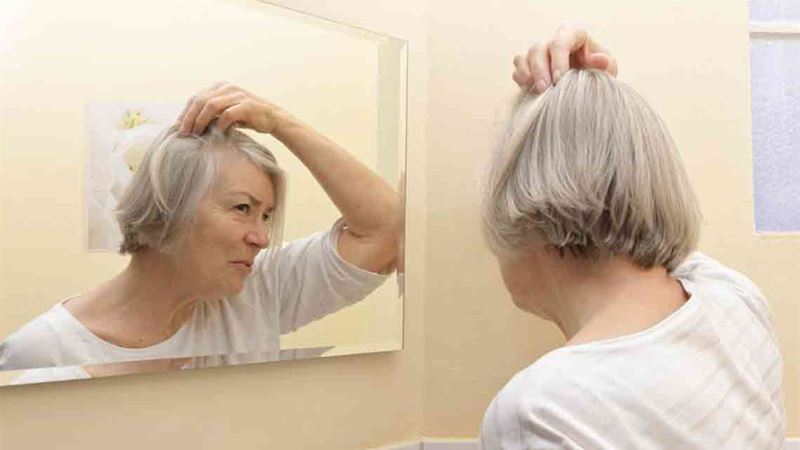
- Stress and Anxiety: Chronic stress has a profound impact on hair health. Elevated stress levels can disrupt the normal hair growth cycle, leading to shedding and thinning. Managing stress through relaxation techniques, meditation, and adequate sleep can significantly improve hair retention.
- Unhealthy Lifestyle Habits: Poor diet lacking essential nutrients, smoking, excessive alcohol consumption, and sedentary living can weaken hair follicles. Adopting a balanced diet rich in vitamins and minerals, exercising regularly, and quitting harmful habits are important steps towards healthier hair.
- Hormonal Fluctuations: Hormonal imbalances such as thyroid disorders, menopause, pregnancy, or puberty often cause hair thinning. Treatments addressing the underlying hormonal issues can help restore hair density.
- Genetic Predisposition: Hereditary factors play a significant role; genetic susceptibility to androgenetic alopecia is common in both men and women. In such cases, early intervention and targeted treatments can slow down hair loss progress.
- Poor Hair Care Practices: Frequent use of harsh chemical treatments, excessive styling, heat styling tools, and improper shampooing can damage hair and scalp health. Gentle hair care routines are vital for maintaining healthy hair.
- Underlying Medical Conditions: Diseases like scalp infections, anemia, autoimmune diseases, and certain medications have side effects that contribute to hair fall. Consulting a healthcare professional for diagnosis and treatment is crucial.
- Environmental Factors: Exposure to pollution, harsh weather, and UV rays can degrade hair quality over time. Protecting hair from environmental extremes through appropriate coverings and scalp protection is recommended.
- Nutrition and Diet: Nutrition plays a cornerstone role in hair health. Incorporate foods rich in nutrients such as iron, zinc, biotin, vitamin D, and essential fatty acids. Leafy greens, nuts, seeds, lean proteins, dairy, and fruits should be staples in your diet to provide the building blocks for strong hair.
- Proper Hair Hygiene: Use mild, sulfate-free shampoos suitable for your scalp type. Avoid overwashing or underwashing; find a frequency that keeps your scalp clean without stripping natural oils. Regular conditioning helps maintain moisture and reduces dryness and brittleness.
- Scalp Care and Massage: Regular scalp massages with natural oils such as coconut, castor, or argan oil improve blood circulation, strengthening hair roots. Additionally, applying plant-based ingredients like aloe vera, onion juice, or amla extract can nourish the scalp and stimulate growth.
- Stress Management: Engage in activities such as yoga, meditation, and deep breathing exercises to keep stress levels in check. Adequate sleep and relaxation routines are equally important in preventing hair shedding.
- Exercise and Physical Activity: Exercise enhances overall circulation, boosts immunity, and reduces stress, all of which contribute to healthier hair. Aim for moderate physical activity several times a week.
- Avoiding Chemical Harshness: Limit the use of chemical-based hair colors, relaxers, and styling products containing aggressive ingredients. Whenever possible, opt for natural or DIY hair masks and treatments.
- Aloe Vera: Aloe vera is renowned for its soothing and healing properties. Extract fresh gel and massage it into your scalp twice a week. Leave for 20-30 minutes before rinsing. Its enzymes help repair and strengthen hair follicles, promoting growth.
- Egg and Olive Oil Mask: Whisk an egg and mix it with olive oil to create a nourishing mask. Apply thoroughly on the scalp and hair, leave it for at least 20 minutes, then rinse with a mild shampoo. Eggs are rich in keratin and proteins that thicken hair strands.
- Amla and Lime Juice: Mix equal quantities of amla juice and lime juice, then apply from roots to tips. Leave on for about 30 minutes before washing off with cool water and a gentle shampoo. This mixture enhances collagen production, aiding in hair growth.
- Coconut Oil: Warm coconut oil slightly and massage into the scalp, covering the roots. Leave it overnight or for at least 30 minutes before washing. Coconut oil nourishes, conditions, and fortifies hair strands naturally.
- Castor Oil: Known for its high ricinoleic acid content, castor oil improves scalp circulation and nourishes hair follicles. Regular weekly massages and shampooing can result in thicker, healthier hair.
While natural remedies and lifestyle changes can significantly improve hair health, persistent or severe hair thinning warrants professional consultation. Visiting a dermatologist or trichologist can help identify underlying conditions such as alopecia areata, seborrheic dermatitis, or thyroid issues. They might recommend treatments like minoxidil, finasteride, laser therapy, platelet-rich plasma (PRP) injections, or hair transplant procedures for advanced cases.