
Comprehensive Guide to Itchy Scalp: Causes, Treatments, and Prevention Strategies
This comprehensive article explores the causes, treatments, and preventive measures for an itchy scalp. Covering common issues like dandruff, psoriasis, eczema, and sensitivities, it provides practical tips for long-term scalp health. Learn how to identify the root causes, choose suitable hair care routines, and prevent hair loss linked to scalp irritation. Perfect for anyone seeking to alleviate discomfort and maintain healthy hair, this guide offers detailed insights into managing scalp conditions effectively and sustainably.
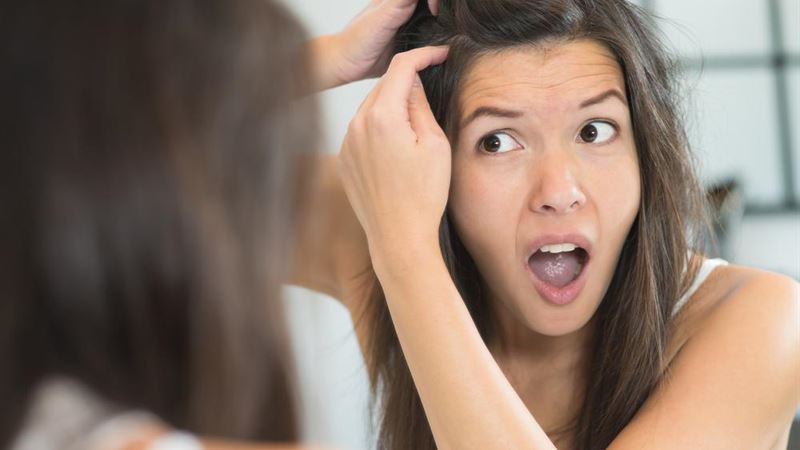
Experiencing an itchy scalp can be frustrating and uncomfortable, impacting daily life and self-confidence. Understanding what causes this condition and how to address it effectively is crucial for anyone suffering from persistent scalp irritation. This detailed guide explores the common and uncommon reasons behind an itchy scalp, provides insights into effective treatment options, and offers practical tips to prevent future occurrences. Whether you're battling dandruff, scalp psoriasis, or sensitivity to environmental factors, this article aims to provide comprehensive knowledge to help you achieve a healthier, itch-free scalp.
What Are the Primary Causes of an Itchy Scalp?
- One of the most common reasons for scalp itching is dandruff, which results from an imbalance of scalp yeast or excess oil production. Dandruff often appears as flaky, white or yellowed skin flakes on the scalp and shoulders, and is often accompanied by redness and irritation.
- Extreme scalp dryness or excessive oiliness can also trigger itching. Both conditions disrupt the natural balance of the scalp's environment, leading to discomfort and irritation.
- Unusual causes such as lice infestations or skin infections like fungal infections or bacterial dermatitis can also result in persistent itchiness. These conditions often require targeted treatments and can signal underlying health issues.
- Sometimes, an itchy scalp can be a symptom of underlying medical conditions such as psoriasis or eczema. Recognizing these causes early can prevent further complications and promote effective treatment.
Understanding Scalp Conditions Causing Itching
- Scalp psoriasis is an autoimmune disorder that leads to the rapid buildup of skin cells, resulting in red, flaky patches that are often itchy and inflamed. This condition can affect individuals of any age and often recurs in cycles. The severity varies from mild scalp dryness to extensive peeling and soreness.
- Atopic dermatitis, commonly known as eczema, is another prevalent cause of itchy scalp, characterized by red, inflamed, and dry skin that can crack or bleed. It often coexists with other allergic conditions and can flare up due to environmental triggers.
- Contact dermatitis is an allergic reaction caused by exposure to irritants found in certain hair products, dyes, shampoos, or other chemicals. The skin reaction manifests as redness, swelling, and persistent itching.
- People living in polluted environments or using heavily chemical-laden hair products are at increased risk of developing sensitive scalps, with symptoms like pain, tingling, and irritation as common signs.
- Chlorinated water in swimming pools can strip the scalp of natural oils, leading to dryness, irritation, and increased sensitivity, especially in individuals with underlying scalp conditions.
Effective Strategies for Treating an Itchy Scalp
- Pinpointing and addressing the root cause is essential for effective long-term relief. While topical solutions may provide temporary comfort, comprehensive treatment plans focus on correcting underlying issues.
- Start with gentle hair care practices: Regularly massaging the scalp to stimulate blood flow can reduce itching temporarily. Use soft brushes to avoid aggravating sensitive skin.
- Select hair care products carefully—opt for sulfate-free, paraben-free shampoos that are gentle on the scalp. Incorporate moisturizing conditioners to hydrate dry skin.
- For dandruff, medications containing ingredients like ketoconazole, zinc pyrithione, or salicylic acid have proven efficacy. Consistent use as directed can significantly diminish flakes and itching.
- For scalp psoriasis or eczema, dermatologists may recommend medicated topical ointments, corticosteroids, or phototherapy to manage inflammation and peeling.
- Alternative remedies include natural oils like tea tree oil or coconut oil, which possess antimicrobial and soothing properties. These can be applied directly to the scalp for relief.
- It's vital to maintain good scalp hygiene, including washing hair regularly to remove impurities and excess oils, but not excessively so as to strip natural oils.
- Avoid irritants in hair products. Check labels for ingredients that could exacerbate skin sensitivity, and steer clear of parabens, sulfates, fragrances, and artificial dyes.
Can an Itchy Scalp Lead to Hair Loss?
- Repeated scratching or harsh handling of the scalp in an attempt to relieve itching can cause hair breakage and damage hair follicles, potentially leading to hair loss over time.
- While scalp dryness or sensitivity alone may not directly cause hair loss, the associated scratching and irritation can weaken hair shafts, resulting in thinning or bald patches.
- Managing the underlying scalp condition effectively typically halts the progression of hair loss related to itchiness. Restoring scalp health helps in maintaining strong, healthy hair.
- Preventative measures include protecting the scalp from environmental damage by wearing hats or scarves, avoiding tight hairstyles that strain the scalp, and maintaining overall scalp hygiene.
- Long hair should not be tied overly tightly, as this can lead to traction alopecia, further compromising scalp health.
- In cases of persistent hair loss, consulting a dermatologist is important for tailored treatment options, including medications or other therapies to promote hair regrowth.
In conclusion, an itchy scalp can stem from various causes ranging from simple dandruff to complex autoimmune and allergic conditions. Proper diagnosis and targeted treatments are paramount for achieving lasting relief. Adopting a gentle hair care routine, avoiding harsh chemicals, and protecting the scalp from environmental harm can significantly improve scalp health and reduce irritation. If ongoing discomfort or hair loss concerns persist, seeking professional medical advice is always recommended for personalized care and effective management.