This comprehensive guide provides essential tips for buying a used dump truck, including detailed inspection procedures for the body, frame, hydraulic system, and engine. Ensuring thorough evaluation helps buyers avoid costly repairs and select reliable vehicles suited for heavy-duty tasks. Learn critical factors and expert advice to confidently purchase a secondhand dump truck that meets your business needs and offers long-term durability.
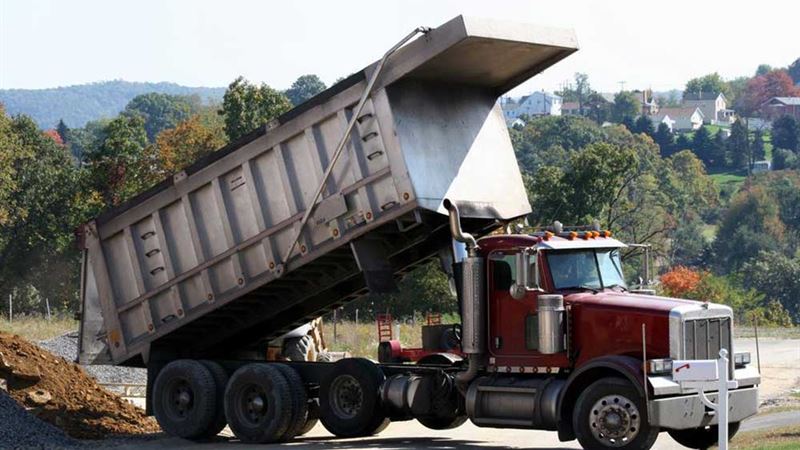
Buying a used dump truck can be a smart financial decision for construction companies, landscaping businesses, and logistics providers. However, ensuring you get a reliable vehicle requires careful evaluation and inspection. The following detailed guide outlines the critical factors to consider when purchasing a secondhand dump truck, helping you make an informed and confident decision. Whether you’re new to the industry or an experienced buyer, these tips will help you identify potential issues and select a truck that meets your needs effectively.
- Conduct a Thorough Inspection of the Exterior and Body
Before committing to a used dump truck, perform an extensive visual assessment of its exterior. Look for signs of damage, rust, or repairs that may indicate past accidents or neglect. Pay particular attention to the truck’s body panels, frame, and dump bed. The dump bed is especially crucial because any damage or corrosion in this area can compromise its load capacity and longevity. Examine the hinges, joints, and seams for signs of wear or fatigue. Assess the condition of the tires, inspecting the tread depth and checking for uneven wear patterns which may suggest alignment or suspension issues. A well-maintained tire condition is vital, as replacements can be costly.
- Inspect the Frame, Axles, and Structural Rails
The truck’s structural integrity depends on the condition of its frame and axles. Look for any sagging, bending, or deformation, which could be symptoms of overloading or previous accidents. Corrosion, especially in the frame and rails, reduces the durability and safety of the vehicle. Use a flashlight to search for rust patches, especially at weld points and joints. When inspecting the axles, check for cracks or signs of excessive wear. A solid, rust-free frame indicates careful maintenance and fewer future repair costs.
- Evaluate the Cab and Dashboard
Inside the cab, scrutinize the steering wheel, seats, and controls. Confirm that all gauges and warning lights function correctly; these include fuel gauges, oil pressure, temperature indicators, and any other vital systems. Note the odometer reading—lower mileage generally indicates less wear, though this must be correlated with maintenance records. Test the operation of the levers that control the dump box to ensure they respond smoothly. Check the hydraulic controls and the transmission, especially if it’s automatic. A well-maintained cab indicates the truck was cared for by previous owners.
- Examine the Hydraulic System Thoroughly
The hydraulic lift mechanism is perhaps the most critical part of a dump truck. Visually inspect the hydraulic cylinders and rods for any cracks, dents, or leaks. Leaking fluid is a sign of worn seals or damaged components that need repair. Check the hydraulic reservoir for signs of leakage or contamination. Operate the lift multiple times to observe its responsiveness, speed, and smoothness. Any irregular movement or hesitation could lead to costly repairs down the line. Ensure all hydraulic hoses and connectors are intact and free of damage.
- Assess the Engine’s Condition
The engine is the heart of any dump truck, impacting its performance and lifespan. It’s advisable to have a certified mechanic or engine expert perform a detailed inspection. Look for signs of oil leaks, excessive smoke, or unusual noises during operation. Check the engine’s condition by reviewing maintenance records and service history. A well-maintained engine with consistent oil changes and service appointments indicates responsible ownership. Test drive the truck to evaluate acceleration, braking, and overall handling. The engine’s power output is especially important for a vehicle tasked with hauling heavy loads daily.
In conclusion, purchasing a used dump truck involves a combination of visual inspection, mechanical assessment, and verification of maintenance history. It’s prudent to engage professionals for a thorough evaluation, especially for critical components like the engine and hydraulic system. Carefully considering these aspects can help you avoid unforeseen expenses and ensure you invest in a reliable, durable truck capable of supporting your business operations efficiently. Remember, patience and meticulous inspection are key to making a smart purchase in this heavy equipment market.
