
Essential Guide to Renting an RV: Everything You Need to Know
This comprehensive guide provides all essential information for RV rentals, including types of RVs, costs, insurance, and driving tips. Perfect for first-time and seasoned travelers, it helps you plan an enjoyable and trouble-free RV adventure with detailed insights into vehicle options, financial considerations, and safety tips for a smooth journey.
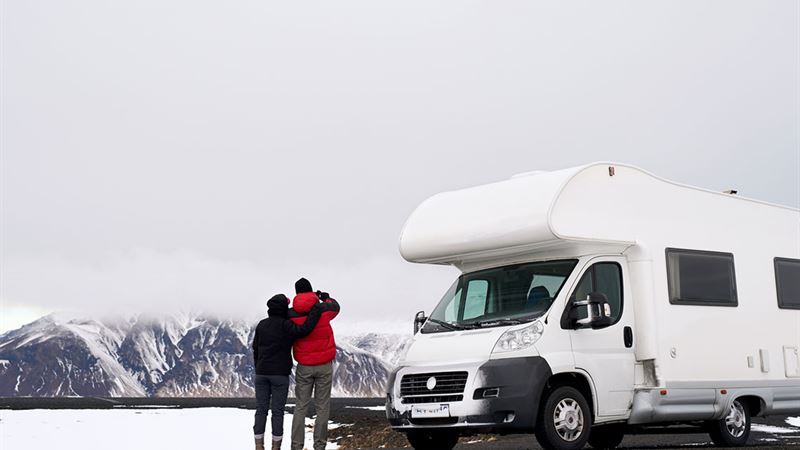
Embarking on an RV adventure can be one of the most memorable ways to explore the open road, but understanding the nuances of RV rentals is crucial for a smooth experience. This comprehensive guide aims to equip you with all the essential information—from choosing the right RV type to understanding costs, insurance, and driving tips. Whether you're a seasoned traveler or new to RV trips, this article will help you navigate the process confidently and enjoy your journey to the fullest.
Understanding the Different Types of RVs
Just like cars, recreational vehicles (RVs) come in varied styles, each designed to suit different needs and preferences. Knowing the distinctions between these types is vital because it affects your comfort, driving experience, and overall trip plan. Here is an in-depth look at the most common RV categories:
- Class-C Cabover RVs
Class-C RVs are easily recognizable by their distinctive cab-over design, where the sleeping or storage area extends above the driver's cab. These vehicles combine the maneuverability of a van with the amenities of larger motorhomes. Typically, they feature a built-in bathroom, a fully equipped kitchen, and a cozy bedroom area. Some models have convertible sleeping spaces, making them versatile for varying group sizes. With a capacity to comfortably accommodate up to five passengers, they are ideal for families or small groups. Their size makes them easier to drive and park compared to larger motorhomes, offering a good balance between comfort and maneuverability.
- Class-A Motorhomes
Class-A motorhomes represent the pinnacle of luxury and space in the RV world. These colossal vehicles are built on a bus-like chassis, providing the most room and amenities among all RV types. They often come with high-end furnishings, multiple slide-outs for expanded living space, large kitchens, full bathrooms, entertainment centers, and even laundry facilities. Due to their size, they are the perfect choice for extended camping trips, full-time living, or groups seeking maximum comfort. However, their vast size requires skillful driving and ample parking space. They’re less suitable for narrow roads or congested urban areas, so ensure you’re comfortable handling such large vehicles before opting for a Class-A RV.
- Fifth-Wheel Campers
Fifth-wheel campers are a popular choice for those who own a truck, offering a high level of flexibility. These are towed trailers that connect to a special hitch mounted in the truck's bed, providing stability and ease of towing. They usually feature multiple sleeping areas, spacious kitchens, bathrooms, and living spaces, making them suitable for large families or groups. The raised forward section allows for an extra bedroom or living space above the truck bed. Their design offers more interior space compared to other towed trailers and provides a home-away-from-home experience while being easier to tow than traditional travel trailers.
- Towable Travel Trailers
Travel trailers are highly versatile and convenient, designed to be towed by standard trucks or SUVs. These trailers come in various sizes and layouts, accommodating between four to five people comfortably. They include essential amenities such as sleeping areas, kitchens, and bathrooms, providing all the comforts of home on wheels. Thanks to their lightweight design, they can be easily towed and maneuvered, making them suitable for a wide range of vehicles. They are ideal for travelers who prefer the flexibility of unhitching and exploring local areas without moving the entire vehicle.
Essential Financial and Insurance Considerations
Before renting an RV, understanding the deposit and insurance requirements is fundamental to avoid surprises and ensure protection. Typically, rental companies require a deposit to confirm your booking. This initial deposit is often included in your overall rental fee or charged separately at the time of reservation. It's important to clarify whether this deposit is refundable or not, depending on the rental company's policies.
Moreover, security deposits are standard and serve as a safeguard against potential damages or breaches of rental terms. If you return the RV in perfect condition, this deposit is usually fully refunded. But if damages occur or rules are violated, the deposit may be withheld to cover repair costs.
Insurance coverage is another critical aspect. While some rental agencies include insurance as part of their packages, others may require you to purchase coverage separately. Having proper insurance ensures you're protected from liabilities related to accidents, damages, or theft. Before renting, review the insurance policies thoroughly, and consider purchasing additional coverage if necessary, especially if you're unfamiliar with handling large vehicles.
Pricing Dynamics and Cost Breakdown
Pricing for RV rentals varies based on several factors, including the size and type of RV, rental duration, seasonal demand, and additional services. Peak travel seasons, such as summer holidays and holiday weekends, generally see higher rates due to increased demand. Many rental companies offer daily rates, but discounts are often available for weekly or monthly rentals. Larger RVs like Class-A motorhomes or luxury models tend to carry a premium price tag, while smaller RVs and trailers are more economical.
Additional charges may apply, including fees for extra miles traveled beyond your plan, optional add-ons (such as generators or outdoor equipment), and cleaning or deposit fees. Planning your trip well in advance and estimating your travel distance can help avoid unexpected costs.
Driving and Handling Tips for RV Rentals
Due to their considerable size and weight, RVs require special driving considerations. Their height and bulk demand cautious maneuvering, especially on narrow, winding, or uneven roads. Drivers should be comfortable handling large vehicles and should become familiar with the vehicle's dimensions, braking distances, and turning radius before hitting the road.
It's essential to obtain the appropriate driver’s license—many areas require a special license or endorsement for driving certain RV classes. Always check local regulations and the rental company's requirements to ensure compliance. Additionally, driving an RV on unfamiliar routes can be challenging; therefore, using GPS systems designed for large vehicles or consulting with the rental agency for route advice can enhance safety.
Once on the road, maintain a moderate speed, be mindful of height restrictions in tunnels or parking structures, and ensure all passengers are safely seated and belted. Taking regular breaks during long drives will help prevent fatigue and keep your journey enjoyable.
In summary, renting an RV is an exciting way to explore new destinations, but meticulous planning, understanding the vehicle types, costs, and driving nuances, and securing proper insurance are key to a successful adventure. Embrace the open road with confidence, and get ready to create unforgettable travel memories!