
Comprehensive Guide to Planning an Unforgettable RV Road Trip
Discover the ultimate guide to planning a memorable RV road trip, from choosing the perfect motorhome to understanding state laws and saving costs. Learn essential tips to ensure your adventure is safe, fun, and budget-friendly. Whether you're a first-time traveler or a seasoned explorer, this comprehensive article covers everything you need for an unforgettable journey on the open road.
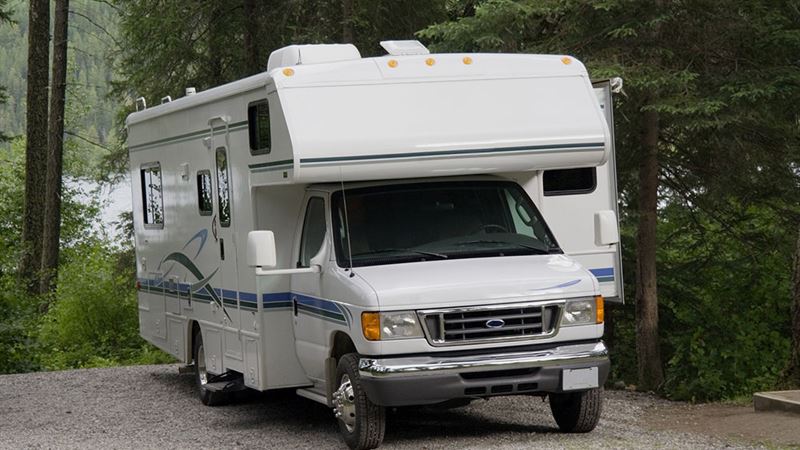
Embarking on a road trip in a recreational vehicle (RV), campervan, or motorhome offers an unparalleled sense of freedom, adventure, and convenience. These mobile living spaces have revolutionized travel, making the journey as enjoyable as the destination. An RV trip combines transportation, lodging, and dining into one seamless experience, providing flexibility and savings unmatched by traditional travel methods. Whether you're a solo traveler, a family, or a group of friends, choosing to explore in an RV opens up limitless possibilities for discovery and relaxation.
For many, the idea of hitting the open road in a motorhome is a dream come true. It allows travelers to immerse themselves in nature, visit scenic spots at their own pace, and enjoy the comforts of home wherever they go. The initial cost involves renting or buying an RV, fuel, food, and activities, but traveling in an RV can significantly cut down expenses, especially when compared to hotel stays and eating out. If your RV is equipped with a kitchen, you can prepare your own meals, which enhances safety, health, and cost-efficiency on the road.
If owning an RV isn't feasible for everyone, rental options present an affordable and accessible way to experience the joy of mobile travel. Many rental agencies offer a wide range of campervans and motorhomes, with options for unlimited mileage and generator use, enabling travelers to craft tailor-made trips based on their needs and budgets. Traveling in a rental RV is particularly ideal for groups or families, providing comfort, flexibility, and fun. Exploring the vast highways of the USA often feels like a dream for numerous adventurers, and renting an RV makes this dream attainable for many.
However, before embarking on an RV road trip, it’s crucial to consider several factors that influence the overall experience and costs. These include the size of the motorhome, the rental season, optional add-ons, and the specific features chosen. By understanding these elements, travelers can better plan their journey, avoid unforeseen expenses, and ensure they select an RV that perfectly fits their travel style and group size.
### Factors Affecting RV Rental Costs and Planning
When renting an RV, the total expense depends on multiple variables. Contract terms, vehicle class, seasonality, and additional features all play significant roles. Here's a deep dive into these determinants to help you make informed decisions:
- Rental Seasonality: The cost of renting an RV varies greatly depending on the time of year. Peak seasons, such as summer months or holiday periods, tend to showcase higher rental rates due to increased demand. Conversely, off-peak seasons usually offer more affordable rates and greater availability. Many rental companies adjust their prices dynamically based on supply and demand, so planning ahead and booking during shoulder seasons can lead to substantial savings.
- Optional Extras and Add-ons: A wide range of accessories and features can be added to customize your RV experience. These include GPS units, bike racks, additional bedding, outdoor furniture, and insurance packages. Each add-on incurs extra costs, but selecting the right options can enhance comfort and convenience while also influencing total expenses. Carefully evaluate what features are essential for your trip to avoid overspending.
### RV Classes and Styles: Which One Suits Your Adventure?
Choosing the right class of RV is fundamental to ensuring your road trip aligns with your expectations, budget, and group size. The market offers various categories, each with unique attributes and amenities. Here’s a detailed overview of the most popular types:
Class A / Luxury Motorhomes
Class A RVs represent the pinnacle of comfort and space. These large, bus-like vehicles come fully equipped with all essential amenities for a luxurious travel experience. They can comfortably sleep up to 12 people, making them ideal for family reunions, group trips, or travelers seeking high-end accommodations on wheels. Features often include fully equipped kitchens, bathrooms with showers, multiple bedrooms, ample storage, and entertainment systems. Though costly, they offer a home-away-from-home experience, perfect for long-distance travel and extended stays.
Class B / Compact Motorhomes
Class B motorhomes are a practical, efficient choice for those who prioritize mobility and cost savings. Built on a van chassis, these vehicles are smaller, with raised roofs for increased interior headspace. They typically include basic amenities such as a small kitchen, bathroom, and sleeping area. Their compact size makes them easier to drive and park, and they tend to be more fuel-efficient than larger models. Rental prices can be as low as $100 per night, making them accessible for budget-conscious travelers seeking adventure with minimal fuss.
Class C / Mid-Size Motorhomes
Class C RVs strike a balance between luxury and practicality. Built on truck or van chassis with a distinctive over-cab sleeping area, they usually include basic amenities like beds, a small kitchen, and a bathroom. They are ideal for those looking for comfort without the premium costs of Class A models. Their moderate size offers better maneuverability and fuel economy, perfect for families or small groups embarking on road adventures. These rigs provide an affordable yet comfortable way to explore diverse destinations across the country.
### Navigating Road Rules Across the U.S.A.
Traveling throughout the United States in an RV involves adhering to various state-specific regulations and general federal guidelines. Being familiar with these rules ensures safety and smooth travel across borders. Key points to remember include:
- The U.S. highway system comprises a network of interstates, state highways, and local roads. Interstates are part of the National Highway System, featuring standardized numbering and signage. However, road rules, speed limits, and signage can vary widely from state to state.
- Each state has its own system of roadway markers, including unique shields and symbols. Recognizing state-specific traffic signs is essential for safe navigation.
- Driving occurs on the right side of the road nationwide. It's vital to stay alert and adapt to local driving customs.
- Some states enforce strict laws regarding stopping on the roadside, hitchhiking, and loitering. Always check local regulations before engaging in such activities.
- Pay close attention to road markings, traffic lights, and signage at intersections. The right-of-way laws can differ, so exercise caution at uncontrolled or four-way stops.
- Adhere to posted speed limits, and avoid speeding to ensure safety. Investing in a GPS or navigation system with updated maps can prevent unintended violations.
- Each state has specific licensing, vehicle registration, and permit requirements for RV travel. Be sure to carry applicable documentation, especially for crossing state borders.
- Refrain from using cell phones while driving unless equipped with hands-free devices. Always wear seat belts and follow laws related to alcohol consumption and driving sobriety.
- Some jurisdictions have toll roads, often called turnpikes. Payment options may include cash or electronic toll systems like E-ZPass. Confirm toll payment methods with your rental agency beforehand to avoid surprises.
Embarking on an RV road trip in the USA can be an exhilarating experience when you are well-prepared. With proper planning, awareness of regulations, and the right vehicle choice, your adventure can be safe, enjoyable, and memorable. Whether exploring national parks, coastal drives, or scenic mountain routes, the flexibility and comfort offered by an RV make every journey extraordinary. Start planning today, and turn your travel dreams into reality!