
The Critical Role of All-Terrain Vehicles (ATVs) and Utility Task Vehicles (UTVs) in Modern Life
This article explores the evolving significance of ATVs and UTVs, highlighting their vital roles in emergency response, community safety, and their expanding applications beyond recreation. It discusses advancements in vehicle design and their future potential to address complex challenges across various sectors, emphasizing their importance in modern society's resilience and sustainability efforts.
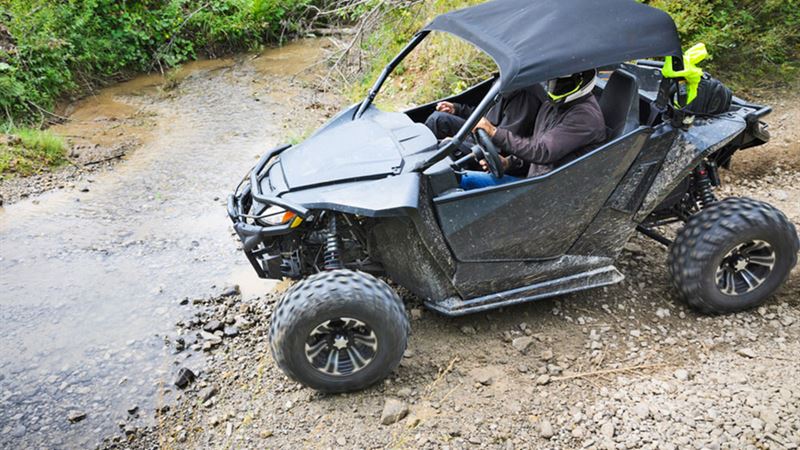
In today's rapidly evolving world, the significance of all-terrain vehicles (ATVs) and utility task vehicles (UTVs) extends far beyond their traditional uses. While these versatile machines are popularly associated with outdoor recreation, adventure sports, and competitive racing, their practical applications in everyday and emergency situations are becoming increasingly vital. Their capacity to navigate challenging terrains and perform multiple functions makes them indispensable tools in numerous scenarios, including disaster response, infrastructure support, and community safety.
ATVs and UTVs excel in providing transportation and logistical support during emergencies, such as natural disasters, accidents, or large-scale public safety events. When traditional vehicles are hindered by impassable roads, these rugged vehicles can reach affected zones swiftly, delivering essential supplies such as food, medicines, and rescue equipment. Their agility and adaptability empower rescue teams to operate efficiently in environments where ordinary vehicles struggle, thus playing a crucial role in saving lives and consolidating emergency response efforts.
It is important to acknowledge that the perception of ATVs and UTVs has evolved. Once primarily seen as recreational gadgets for thrill-seekers and adventure enthusiasts, these vehicles are now vital tools in disaster management, humanitarian aid, and community resilience initiatives. Governments and organizations worldwide are increasingly integrating these vehicles into their emergency preparedness plans, emphasizing their importance in crisis situations.
In conclusion, the importance of ATVs and UTVs in contemporary society cannot be overstated. They represent a convergence of rugged durability, technological advancement, and emergency utility. As the world faces increasing environmental and societal challenges, these vehicles are poised to become essential assets for ensuring safety, sustainability, and resilience across diverse terrains and complex situations.