
Comprehensive Guide to Managing and Treating Rheumatoid Arthritis Effectively
This comprehensive guide explores effective treatments for rheumatoid arthritis, including medications, lifestyle changes, surgical options, and alternative therapies. Emphasizing holistic management, it offers practical advice on diet, exercise, assistive devices, and supportive care to improve quality of life. Whether dealing with mild symptoms or severe cases, patients can find valuable information to help manage this chronic autoimmune condition thoughtfully and effectively. Personalized treatment plans and professional guidance are essential for optimal results.
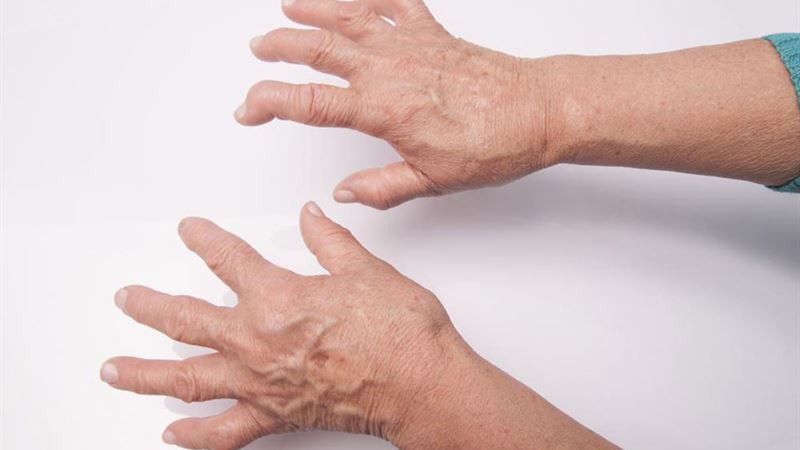
- Rheumatoid arthritis (RA) is a chronic autoimmune disorder characterized by inflammation of the joints, leading to pain, swelling, and potential joint deformation. Understanding the available treatments and lifestyle changes can significantly improve quality of life for those affected. This guide explores a wide range of therapeutic options, from medical interventions to holistic approaches, providing insight into managing symptoms and slowing disease progression.
Effective management of rheumatoid arthritis requires a multidisciplinary approach. Medical treatments aim to control inflammation and prevent joint damage, while lifestyle modifications such as diet and exercise can enhance overall well-being. Advanced surgical options are available for severe cases, enabling improved mobility and pain relief. Complementary therapies, including physiotherapy and alternative medicine, play a vital role in symptom management. Maintaining an active lifestyle, quitting smoking, and adopting a balanced diet are crucial components of a holistic treatment plan.
Pharmacological Interventions
The cornerstone of RA treatment is medication. Nonsteroidal anti-inflammatory drugs (NSAIDs) like ibuprofen and naproxen help reduce pain and swelling. Corticosteroids, such as prednisone, are used for short-term control of severe symptoms and inflammation. Disease-modifying antirheumatic drugs (DMARDs), including methotrexate and sulfasalazine, are essential in slowing disease progression and preventing joint destruction. Biologic agents, targeting specific immune system components (e.g., TNF inhibitors), have revolutionized RA management by providing targeted suppression of inflammation.
Integrating Exercise and Physical Activity
Regular gentle exercise is vital for maintaining joint flexibility and muscle strength. Activities like yoga, swimming, and stretching exercises can be tailored to individual needs. Such physical activity not only alleviates stiffness but also enhances overall mobility and reduces fatigue. Working with a physiotherapist to develop an exercise regimen ensures safe and effective movement strategies, minimizing joint strain while promoting muscle support around affected joints.
Utilizing Assistive Devices
For those with joint deformities or reduced mobility, assistive devices can significantly improve independence. Braces, orthotic supports, crutches, and canes help reduce joint stress during daily activities. Installing handrails, grab bars, and supportive seating in the home environment can prevent falls and facilitate movement. Proper use of these tools enhances safety and comfort, enabling patients to remain active and engaged in their daily routines.
Diet and Nutrition for Rheumatoid Arthritis
A balanced, anti-inflammatory diet can complement medical treatments effectively. Rich sources of vitamins A, C, and selenium—found in foods like dark chocolates, berries, spinach, and kidney beans—support immune function and tissue repair. Foods high in flavones, such as green tea, broccoli, and soy, possess anti-inflammatory properties. Omega-3 fatty acids from fatty fish like salmon, mackerel, and tuna, as well as walnuts and flaxseeds, are especially beneficial in reducing joint inflammation. Limiting intake of trans fats, processed foods, and refined carbohydrates can prevent exacerbation of symptoms.
Surgical Options and Advanced Treatments
In severe cases where medication and lifestyle changes are insufficient, surgical interventions may be necessary. Joint fusion involves immobilizing a joint to reduce pain, while joint replacement replaces a damaged joint with a prosthetic, restoring function. Tendon repair is performed when inflammation damages the tendons supporting joints. These surgical procedures can significantly improve quality of life, restoring mobility and reducing discomfort.
Lifestyle Modifications and Behavioral Changes
Quitting smoking is critical, as tobacco use has been linked to increased RA risk. Approximately half of RA patients are smokers, and cessation can slow disease progression. Maintaining a healthy weight reduces stress on joints and decreases inflammation, contributing to better disease management. Engaging in regular body movement and avoiding prolonged inactivity help preserve joint function. A holistic approach includes managing stress, ensuring adequate sleep, and fostering emotional well-being.
Complementary and Alternative Therapies
Techniques such as acupuncture, aromatherapy, and massage therapy can provide relief from joint pain and stiffness. These therapies promote relaxation, improve circulation, and may reduce the reliance on medication. Consulting with qualified practitioners ensures safe and effective integration of these modalities into your treatment plan.
Topical and injectable treatments
NSAID creams and gels applied directly to affected joints can alleviate localized pain. Injections of corticosteroids or hyaluronic acid may provide rapid relief during flare-ups. These minimally invasive options are useful adjuncts to systemic treatments, especially for quick symptom control.
Occupational Therapy and Supportive Care
An occupational therapist can assist patients in adapting daily activities to minimize joint strain and prevent further damage. They suggest ergonomic modifications, assistive devices, and specialized techniques to facilitate self-care and work-related tasks. Support from family, friends, and support groups offers emotional encouragement and practical advice.
Physiotherapy and Rehabilitation
Professionally guided physiotherapy plays a pivotal role in managing RA. A trained physiotherapist develops personalized exercise programs aimed at strengthening muscles, improving joint mobility, and reducing pain. Hydrotherapy, which involves water-based exercises, provides gentle resistance training in a soothing environment, easing joint stress.
Thermal and Electrotherapy Treatments
Hot and cold water baths help reduce joint pain and stiffness, providing long-lasting relief. Chiropractic treatments focus on adjusting joint alignment, supporting mobility, and easing stiffness through manual manipulation and supportive exercises. Electrotherapy uses electrical impulses to stimulate muscles and nerves, alleviating pain and promoting healing.
Hydrotherapy and Massage
Submersion in warm water offers joint relaxation and reduces stiffness. Regular massage therapy decreases muscle tension, improves circulation, and fosters emotional well-being, making it an excellent complement to medical treatments.
Manual Techniques and Osteopathy
Osteopathic treatment employs manual manipulations like traction and stretching to reduce joint tension and support mobility. These techniques are beneficial adjuncts in comprehensive RA management, helping to restore function and diminish discomfort.
While a definitive cure for rheumatoid arthritis remains elusive, a combination of medications, lifestyle changes, surgical options, and complementary therapies can greatly improve a patient's comfort and functionality. Support from healthcare professionals, family, and community ensures a more manageable experience. Remember to consult healthcare providers before adopting new treatments or making significant lifestyle adjustments, as personalized care is paramount to effectively managing RA.