
Exploring the Rich History and Refreshing Taste of the Classic Mojito
Discover the fascinating history of the Mojito, a Cuban classic loved worldwide. Learn about its origins from 16th-century Cuba, how it evolved from "El Draque," and the story behind its name. Get tips on crafting an authentic Cuban Mojito at home using simple ingredients like mint, lime, sugar, and high-quality rum. Dive into its cultural significance, including its famous patronage by Ernest Hemingway. Perfect for hot days or celebrations, this refreshing cocktail embodies Cuban spirit and tradition. Experience the rich history and timeless flavor of the Mojito today.
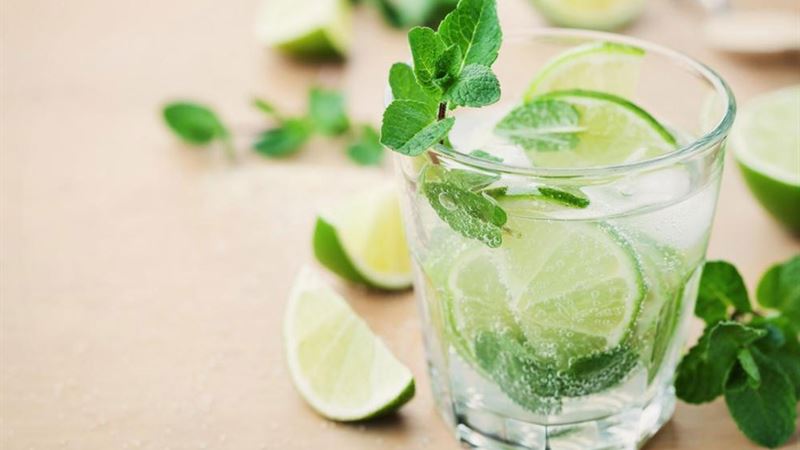
Many enthusiasts might not delve into the origins of the beloved cocktail they enjoy, but for those curious about the story behind their favorite drink, this comprehensive guide is a must-read. The Mojito is a time-honored cocktail with roots deeply embedded in Cuban culture and history. This invigorating drink is renowned worldwide for its refreshing taste and simple ingredients, making it a staple at parties and bars alike. But where exactly did this popular cocktail come from? Let’s embark on a journey to uncover the intriguing past of the Mojito, along with tips on how to craft an authentic Cuban version yourself.
Throughout the years, the origin story of the Mojito has been surrounded by various legends and anecdotes, each adding a layer of mystique to this iconic beverage. The most widely accepted theory traces the roots back to 16th-century Cuba, where it evolved from an earlier drink known as "El Draque." Named after the English pirate Sir Francis Drake, "El Draque" was a primitive mixture of aguardiente (a crude form of rum), lime, sugar, and mint. Legend has it that sailors would create this concoction to combat scurvy and fatigue during long voyages. Over time, the rough aguardiente was replaced with smoother, high-quality rum, transforming the original into what we now recognize as the Mojito.
Another narrative suggests that the term “Mojito” derives from the Cuban word “mojo,” a marinade or seasoning made from lime, herbs, and spices, which is a staple in Cuban cuisine. The connection between the word “mojo” and the cocktail emphasizes the drink's flavor profile, which highlights the vibrant, citrusy, and herbal notes. The evolution of the name perhaps reflects how the drink became an integral part of Cuban culinary culture, seamlessly blending with local ingredients and flavors.
If you venture further into the history of the Mojito, you'll find numerous stories, each adding unique details to the cocktail’s lineage. Despite the uncertainties surrounding its precise origin, one thing remains clear: the Mojito’s status as a symbol of Cuban spirit and hospitality. The beverage’s popularity soared over the centuries, especially among writers, musicians, and celebrities, eager to experience its cooling effects and delightful taste.
For those eager to try their hand at the authentic Cuban Mojito, understanding the traditional recipe is essential. Preparing a genuine Mojito requires a handful of fresh, simple ingredients: sprigs of mint, high-quality sugar, freshly squeezed lime juice, white rum, and ice cubes. Each component plays a crucial role in creating the perfect balance of flavors. The mint leaves impart a refreshing herbal aroma; the sugar adds sweetness to balance acidity; the lime juice contributes a tangy bitterness with a hint of citrus; the white rum provides the characteristic kick of alcohol; and the ice cools everything down, making it an ideal beverage for hot weather or lively gatherings.
To craft an authentic Cuban Mojito, start by gently muddling the mint leaves with sugar and lime juice to release their essential oils—be careful not to tear the leaves too much, as excessive crushing can muddle the mint's delicate flavor. Fill the glass with ice, then pour in a generous shot of white rum. Stir gently to combine all ingredients, allowing the flavors to meld harmoniously. Garnish with additional mint sprigs or a lime wedge for presentation, and serve immediately to enjoy its full freshness.
Throughout history, the Mojito has captivated many famous personalities, most notably Ernest Hemingway, who was known for his frequent visits to Havana’s La Bodeguita del Medio, a legendary bar where the drink gained almost mythical status. Hemingway’s fondness for the Mojito helped popularize it beyond Cuba’s borders, transforming it into an international symbol of tropical relaxation and celebration. Today, making a classic Mojito at home not only allows you to savor a taste of Cuba but also connects you with a rich cultural heritage that spans centuries.
Whether you’re celebrating a special occasion or simply seeking a refreshing respite from the heat, the Mojito remains a timeless choice. Its simple yet vibrant ingredients make it easy to prepare, while its intriguing history adds depth to each sip. So next time you're at a party or relaxing at home, consider mixing up an authentic Cuban Mojito and share in its refreshing, storied past. Cheers to history, flavor, and the joy of a well-made cocktail!
In conclusion, the Mojito is more than just a cocktail; it is a symbol of Cuban tradition and resilience, beloved worldwide for its invigorating taste and historical significance. Creating your own authentic Mojito is a wonderful way to experience a piece of Havana right from your home. With its delightful blend of mint, lime, sugar, and rum, this drink offers a sensory escape that has enchanted generations. So, embrace the rich heritage of the Mojito and enjoy a glass that’s as storied as it is delicious.