
Ultimate Shopping Guide for Choosing the Ideal Weed Trimmer
Discover comprehensive tips for choosing the best weed trimmer, focusing on safety, power, comfort, and durability. This guide helps you select the perfect tool tailored to your gardening needs, ensuring efficient, safe, and hassle-free yard maintenance. Learn about different models, key features, and what to look for to invest wisely in a reliable weed trimmer that simplifies your gardening chores and creates a pristine outdoor space.
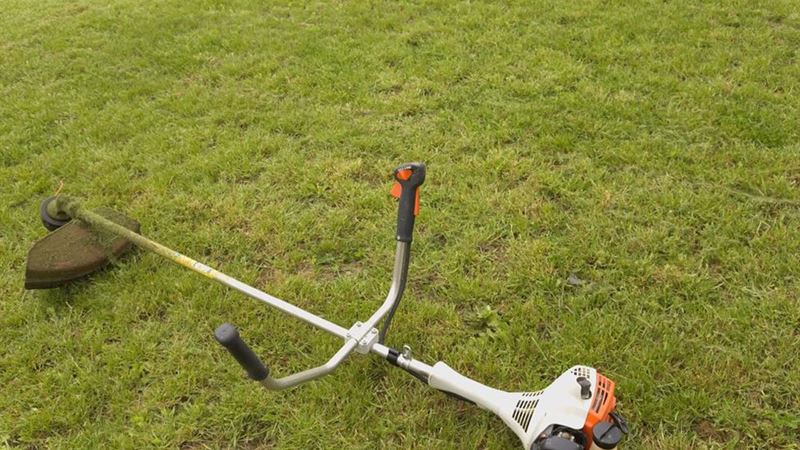
Keeping your garden pristine and well-maintained requires the right tools, and a high-quality weed trimmer is essential in tackling overgrown grass, weeds, and unruly bushes. Today, the market is flooded with various models, each boasting different features, power sources, and designs, making it challenging to select the perfect one. Choosing the right weed trimmer can significantly reduce your gardening time and effort, enabling you to enjoy a neat and attractive yard effortlessly. In this comprehensive guide, we'll explore the essential factors you need to consider when purchasing a weed trimmer, ensuring that you end up with a device that meets your specific gardening needs and preferences.
When selecting a weed trimmer, several critical aspects come into play, from weight and maneuverability to safety features and power capacity. Understanding these factors will help you avoid common pitfalls and make an informed decision. Let’s delve into each vital feature in detail, so you’re fully equipped to choose the perfect weed trimmer for your garden.
- Weight and Portability
One of the most important considerations when selecting a weed trimmer is its weight. A lightweight trimmer enhances ease of use, especially if you plan to use it for extended periods. Heavy models can cause fatigue and reduce your efficiency, leading to potential strain or injury. Ideally, opt for a trimmer that balances power and weight, making it easy to maneuver around obstacles and difficult terrains. - Comfort and Design Features
If the trimmer comes with ergonomic features such as shoulder straps or harnesses, take advantage of them. These accessories distribute the weight more evenly across your body, reducing fatigue and providing better control. Adjustable handles and grips should also be considered to suit your height and comfort preferences, increasing ease of handling and reducing stress on your arms and back. - Safety Lock Mechanisms
Safety should always be your top priority. Look for a weed trimmer equipped with trigger locks or safety switches that prevent accidental activation. This feature is particularly useful when you’re taking breaks or when the trimmer is not in use but remains plugged in or on standby. Ensuring the device has these safety mechanisms will protect you from unintended injuries and prolong the lifespan of the equipment. - Safety Guards and Protective Features
Durability and safety are closely linked. A reliable weed trimmer must include safety guards, especially around the trimming head. These protective shields prevent debris, stones, or plant material from flying toward you, which could cause injury or damage your eyes. Even with safety guards, always remember to wear proper protective gear, such as goggles, gloves, and sturdy shoes, to maximize safety during operation. - Operational Noise Levels
Consider the noise output of the trimmer. If you live in a neighborhood with noise restrictions or wish to maintain a peaceful garden environment, opt for electric or battery-powered models, as they tend to operate more quietly than gas-powered units. Quieter equipment will not only keep your neighbors happy but also reduce your stress during prolonged garden work. - Power and Cutting Capacity
The core function of a weed trimmer is its ability to cut effectively. Choose a model with sufficient motor power to handle tall, dense, or tangled weeds. For heavier-duty tasks, a trimmer with a more robust motor or cutting head will be necessary to achieve clean, efficient trimming without excessive effort. - Vibration Control
Another crucial factor is the amount of vibration generated during operation. Excessive vibrations can cause discomfort, fatigue, and long-term health issues like hand-arm vibration syndrome. Look for models that feature anti-vibration technology or cushioned grips, ensuring smoother handling and reducing physical strain. - Battery Life and Power Source
If you opt for cordless models, pay close attention to battery capacity and runtime. Longer battery life means more extensive trimming sessions without interruptions. Lithium-ion batteries are generally preferred for their longevity and quick charging capabilities. Conversely, corded electric models require access to power outlets, offering continuous operation but limiting mobility. - Maintenance and Durability
Ensuring your weed trimmer is durable and easy to maintain saves time and money in the long run. Choose a model with accessible parts for quick cleaning, blade sharpening, or replacements. Corrosion-resistant components and sturdy construction materials will withstand the elements and frequent use. - Price and Warranty
Finally, consider your budget. While high-end models may come with advanced features and longer warranties, there are many affordable options that do not compromise on essential functionalities. Look for a warranty that covers parts and manufacturing defects, providing peace of mind and protecting your investment.
In summary, the perfect weed trimmer should be lightweight yet powerful, safe, and comfortable to operate. It must have safety features like trigger and safety guards, produce minimal noise, and possess an efficient trimming capacity suitable for your garden size and type. Assess your specific needs, budget, and physical capabilities before making a purchase. Remember, the right equipment will make garden maintenance a breeze and keep your outdoor space beautifully manicured all year round.