
Essential Safety Tips for Effective and Secure Weed Removal in Your Garden
Learn comprehensive safety tips for weed removal in your garden. This guide covers equipment selection, protective gear, weather considerations, and safe operation techniques to ensure effective and injury-free gardening. Equip yourself with essential safety measures to maintain a pristine garden while avoiding accidents, especially when handling electric or gas weed trimmers. Prioritize safety in your gardening routine with step-by-step precautions for a cleaner, safer, and more enjoyable outdoor space.
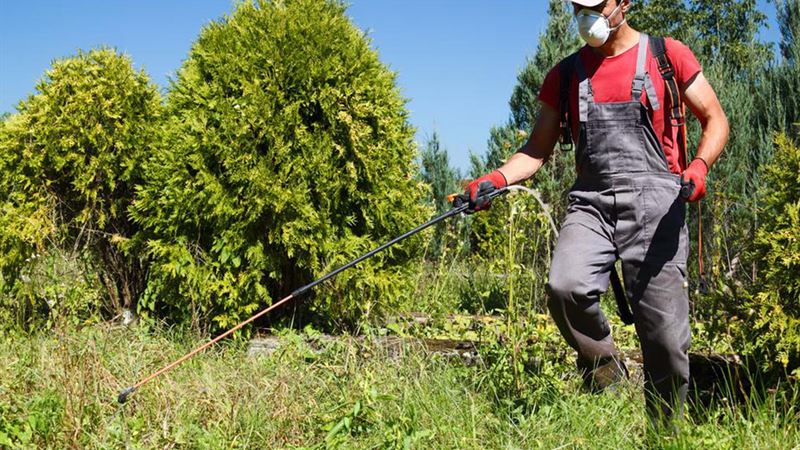
Maintaining a lush and weed-free garden is a priority for many homeowners and gardening enthusiasts. However, the process of weed removal, especially using power tools like weed trimmers, requires careful attention to safety procedures to prevent accidents and injuries. Understanding the safest methods and precautions can make your gardening experience more efficient and safer. This comprehensive guide aims to provide detailed safety guidelines for removing weeds from your garden, whether you're working with electric trimmers or gas-powered equipment, ensuring both your safety and the health of your garden.
Pre-operation Area Inspection – Before starting any weed removal activity, meticulously examine the area. Remove any debris such as glass shards, small rocks, sticks, or other hard objects that could be thrown by the trimmer or cause damage to the equipment. Ensuring the workspace is clear reduces the risk of flying debris that could injure you or bystanders. A clean work zone not only promotes safety but also improves the efficiency of your weed removal process.
Exercise Caution Near Electrical Cables – When using electric or battery-powered weed trimmers, pay close attention to surrounding wires and cables. Damaging electrical cords can lead to sparks or short circuits, significantly increasing the risk of fire or electric shock. Always inspect the area for hidden cables before operation and keep the equipment away from live wires. Using cord protectors or opting for cordless battery-powered tools can minimize these risks.
Safety First Around People and Pets – High-powered weed trimmers can dislodge debris at high speeds. Always be aware of other people, children, and pets in the vicinity. Maintain a safe distance to prevent injury from flying debris and accidental contact with the equipment. Wearing protective gear such as safety goggles, gloves, and hearing protection is highly recommended to protect yourself and others nearby.
Weather Conditions and Timing – Do not operate weed trimmers in adverse weather conditions. Rain, cold, or windy weather can affect both safety and performance. Wet weeds are slippery and more difficult to cut, leading to potential mishandling. Moreover, electrically powered tools pose a risk of electric shock in wet conditions. Wait for dry weather and optimal temperatures to ensure safe and effective weed removal.
Choosing the Correct Trimmer Line and Equipment – Selecting the appropriate trimmer line based on the type and height of weeds is crucial. For tall, thick weeds, heavy-duty lines like square or star-shaped profiles provide better cutting power. For smaller weeds and grass, a standard round line suffices. Using the right equipment minimizes strain on the tool and reduces wear and tear. Additionally, avoid improvising with ropes or wires that are not designed for the equipment, as they can cause damage to the machine and compromise safety.
Handling Gas-powered Trimmers – Gas trimmers require special precautions. Always wear sturdy gloves to protect your hands from vibrations and potential contact with hot or moving parts. Take regular breaks to reduce fatigue and vibrations that can cause discomfort or long-term injuries. Ensure the area is well-ventilated, and handle fuel with care, storing it safely away from heat sources. Regular maintenance and proper handling of gas equipment prolong its lifespan and ensure safe operation.
Personal Protective Equipment (PPE) – Protecting yourself is paramount. Always wear safety goggles or glasses to shield your eyes from flying debris. Use gloves to prevent cuts and abrasions and consider ear protection, especially when operating loud gas trimmers. Wear long pants and sturdy footwear to protect your legs and feet. PPE not only enhances safety but also boosts confidence during gardening tasks.
Operational Safety and Technique – Keep both hands firmly on the equipment during operation. Maintain a stable posture and avoid overreaching. Be mindful of the cutting path to prevent accidental injuries. Do not operate the trimmer on unstable ground or slopes that could cause loss of balance. When finished, turn off the machine and disconnect power sources before cleaning or storage. Keep children and pets away from the work area during and after operation until all debris has settled.
Conclusion – Safety when removing weeds is a combination of proper planning, correct equipment, and cautious operation. By following these guidelines, you ensure a safe gardening environment, minimize risks, and achieve professional-quality results. Incorporate safety into your routine to enjoy a beautiful, weed-free garden without unnecessary accidents or injuries. Empower yourself with knowledge and proper precautions to make your weed removal tasks efficient and safe, enhancing the overall health and appearance of your garden.