
Comprehensive Guide to Hemorrhoids: Causes, Symptoms, and Effective Treatment Strategies
This comprehensive guide explores the causes, symptoms, and effective treatments for hemorrhoids. It provides in-depth insights into lifestyle factors, natural remedies like aloe vera and cold compresses, dietary tips, and when to seek medical care. Learn how to manage and prevent hemorrhoids to improve comfort and health, with personalized approaches for quick relief and long-term prevention. Essential reading for those suffering from or interested in managing hemorrhoid symptoms effectively.
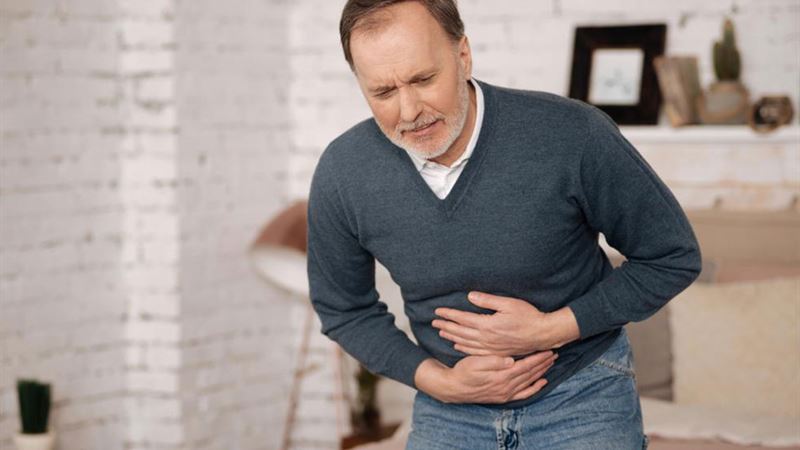
Hemorrhoids, commonly referred to as piles, are swollen blood vessels located in the lower rectum and around the anus. They can develop internally within the rectal lining or externally around the anal opening. While some individuals may experience no symptoms, others suffer from significant discomfort and pain. The internal type often remains unnoticed until it reaches a severe stage, at which point it may cause bleeding during bowel movements or protrude through the anus, appearing as moist pink tissue. External hemorrhoids, on the other hand, are visibly felt and can cause intense pain, swelling, and even blood clots, leading to further complications. Recognizing the signs early and understanding the underlying causes can help in managing and preventing this common yet distressing condition.
Understanding the anatomy and types of hemorrhoids is crucial for effective treatment. Internal hemorrhoids originate above the dentate line inside the anal canal, often causing painless bleeding. When they prolapse or protrude outside the anal sphincter, they can cause discomfort and require medical attention. External hemorrhoids develop beneath the skin around the anus, making them more palpable and painful, especially if blood clots form, a condition known as thrombosed hemorrhoids. These clots can lead to significant swelling and burning pain, often exacerbated during or after bowel movements. The severity varies from mild discomfort to debilitating pain, affecting daily activities and overall quality of life. Proper diagnosis by a healthcare professional is essential for selecting the most effective treatment plan.
Both men and women are equally susceptible to hemorrhoids, with risk factors increasing with age, particularly after the age of 40. Lifestyle habits, diet, and certain health conditions significantly influence the likelihood of developing hemorrhoids. Preventative measures and early intervention are key to avoiding complications and achieving relief.
What causes hemorrhoids? The etiology of hemorrhoids involves multiple factors, often interconnected with lifestyle and health habits. Understanding these causes helps in adopting preventive measures and choosing suitable remedies.
Diet and Fiber Intake: A diet low in fiber is one of the primary contributors to hemorrhoids. Insufficient fiber intake results in hard, dry stools that require excessive straining during bowel movements. This straining increases pressure on the blood vessels in the rectal area, leading to their swelling and formation of hemorrhoids. Incorporating high-fiber foods such as fruits, vegetables, whole grains, and legumes can soften stools, promote regular bowel movements, and reduce the risk of hemorrhoids. Drinking plenty of water complements fiber intake, aiding in maintaining stool softness and preventing constipation.
Pregnancy: Pregnancy is a common physiological factor that can lead to hemorrhoids in women. During pregnancy, hormonal shifts cause relaxation of vascular walls, making blood vessels more prone to swelling. The enlarging uterus exerts pressure on the pelvic veins and rectal area, impeding normal blood flow and increasing the risk of hemorrhoids. Additionally, the increased blood volume during pregnancy further strains the vessels around the anal region, often resulting in hemorrhoidal formation. Managing weight gain, practicing pelvic exercises, and avoiding prolonged sitting can alleviate some of the pressure and symptoms associated with pregnancy-related hemorrhoids.
Obesity: Excessive body weight directly impacts the development of hemorrhoids. Obesity leads to increased pressure on the pelvic area, including the veins around the rectum and anus. The constant strain on these blood vessels causes them to weaken and swell, giving rise to hemorrhoids. Maintaining a healthy weight through diet and exercise can significantly reduce the incidence of hemorrhoids and improve overall vascular health.
Additional factors contributing to hemorrhoid formation include prolonged sitting or standing, especially during activities like long drives or desk jobs. Other causes involve colon and rectal cancers, previous rectal surgeries, and a hereditary predisposition to weak vascular walls. Chronic constipation and straining during bowel movements are also critical risk factors, exacerbating the pressure on anal blood vessels and fostering the development of hemorrhoids.
Recognizing the classic symptoms helps in diagnosing hemorrhoids early. The most common symptom is bleeding, typically painless during initial stages, manifesting as bright red blood on toilet paper or in the toilet bowl. As hemorrhoids enlarge or become thrombosed, symptoms intensify with itching, swelling, pain, and discomfort around the anal area. Discomfort can vary from mild irritation to severe pain that impairs daily functions. Persistent symptoms warrant medical evaluation to prevent complications such as infection or blood clots.
The key to managing hemorrhoids effectively is through a combination of lifestyle modifications, home remedies, and medical interventions when necessary. Below are some proven remedies and strategies for quick relief and long-term prevention.
Home Remedies and Lifestyle Changes for Hemorrhoid Relief:
Aloe Vera: Known for its soothing and anti-inflammatory properties, aloe vera is a natural remedy for hemorrhoid inflammation. Applying pure aloe vera gel, either extracted from the plant or purchased from stores, can reduce swelling and soothe irritated skin. It is recommended to test the gel on a small skin patch first to check for allergies. Use the gel externally, applying it gently to the affected area to promote healing and comfort. Aloe vera’s cooling effects can ease burning sensations and provide significant relief from itching and inflammation.
Cold Compresses: Applying cold packs or ice wrapped in a cloth can effectively reduce swelling and pain. The cold constricts blood vessels, decreasing inflammation and providing comfort during flare-ups. It is vital not to apply ice directly to the skin, as this can cause frostbite or worsen irritation. Use cold packs for 10-15 minutes at a time, several times a day to alleviate discomfort and speed recovery.
Gentle Cleansing and Use of Mild Wipes: After bowel movements, replacing dry toilet paper with soothing wipes containing natural ingredients can prevent further irritation. Look for wipes free from alcohol, fragrances, or irritants that could aggravate hemorrhoids. Maintaining hygiene in the anal area is crucial to prevent infection and promote healing. Warm water and mild soap during showers help cleanse the area effectively without causing additional irritation.
Stool Softeners and Dietary Adjustments: Chronic constipation and hard stools are common aggravators. Over-the-counter stool softeners, available as liquids or capsules, can ease bowel movements by softening stools, reducing straining. Incorporating high-fiber foods like oats, berries, nuts, and vegetables into daily meals nourishes the digestive system, encouraging regular, easier bowel movements. Staying well-hydrated by drinking plenty of water is equally important to prevent stool hardening.
Maintaining Anal Hygiene: Consistent cleanliness helps prevent infection and speeds up healing. Gentle cleansing with warm water and mild soap, especially after bowel movements, minimizes irritation. Avoid harsh wipes or excessive scrubbing that can cause skin damage. Regularly applying soothing topical treatments and avoiding prolonged sitting or standing also contribute to faster recovery.
In some cases, home remedies may not suffice, especially if hemorrhoids are persistent or worsening. Medical treatments, including minimally invasive procedures like rubber band ligation, sclerotherapy, or infrared coagulation, may be necessary to effectively reduce hemorrhoid size and alleviate symptoms. Severe cases might require surgical interventions such as hemorrhoidectomy or stapled hemorrhoidopexy. Consulting a healthcare provider ensures appropriate diagnosis and personalized treatment plans tailored to the severity of the condition.
In conclusion, hemorrhoids are a prevalent condition that can significantly impact quality of life but are manageable through lifestyle modifications, home remedies, and medical interventions. Awareness of causes, early detection of symptoms, and adopting preventive habits can greatly reduce the incidence and severity of hemorrhoids, offering relief and restoring comfort.