
Comprehensive Guide to Accurately Determining the Market Value of Used Motorcycles
Learn how to accurately appraise your used motorcycle's value using trusted methods like KBB, NADA, and professional appraisals. This guide covers key factors affecting pricing, including condition, age, and market demand, ensuring you set a fair and competitive price whether selling or buying. Discover tips on market research, assessing condition, and understanding upgrades to maximize your motorcycle's value. Perfect for sellers and buyers alike, this comprehensive overview helps you navigate the secondhand motorcycle market with confidence, boosting your chances of a profitable sale and informed purchasing decisions.
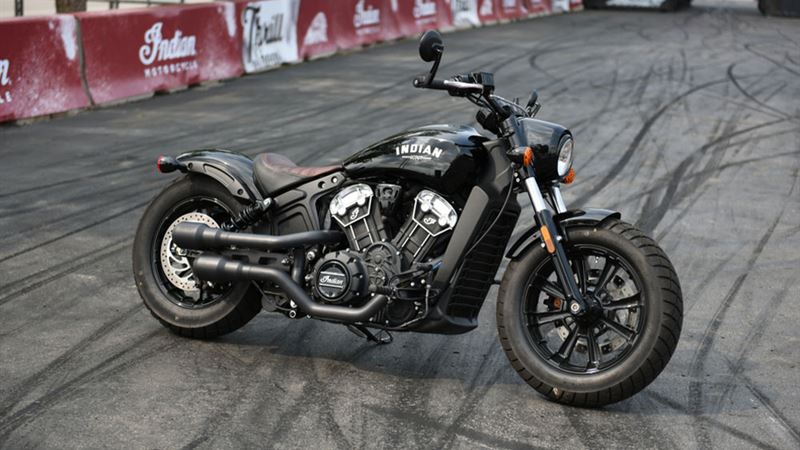
Understanding the true worth of a pre-owned motorcycle is essential whether you're planning to sell, trade, or simply want to gauge its current market standing. Unlike new bikes, used motorcycles have a varied valuation influenced by multiple factors, including age, condition, brand reputation, and market demand. Properly evaluating these parameters can help sellers set realistic prices and buyers make informed decisions. This comprehensive guide will delve into each aspect affecting used motorcycle valuation, explore trusted methods of appraisal, and provide actionable tips to ensure you determine an accurate and fair market value for your motorcycle.
One of the primary considerations in valuing a used motorcycle is its mileage. A motorcycle with fewer miles generally indicates less engine wear and tear, which usually results in a higher resale value. High-mileage bikes might have experienced more extensive usage, potentially affecting the engine's longevity and overall performance. Therefore, when assessing your motorcycle, note the mileage as it can significantly influence the price. For example, a low-mileage bike in excellent condition can command a premium over similar models with higher mileage.
Age of the Motorcycle
The age of the motorcycle plays a pivotal role in its valuation. Typically, newer models tend to have a higher market value due to updated features, better technology, and less wear. An older motorcycle, especially one that is several years old, might have depreciated more, even if in good condition. It's important to consider the year of manufacture, as vintage or classic bikes might actually increase in value due to rarity and collector interest. Understanding whether your motorcycle is considered a classic or vintage can impact its market worth.
Condition of the Vehicle
The overall condition encompasses not only the physical appearance but also the mechanical integrity of the motorcycle. Bikes in pristine condition with clear maintenance records, no accidents, and minimal cosmetic issues tend to fetch higher prices. Conversely, motorcycles with visible damage, rust, mechanical problems, or missing components generally have lower value. Conducting a thorough inspection before valuation helps in accurately gauging the motorcycle’s true worth and identifying potential areas that could affect price.
Brand and Model Significance
The reputation of the motorcycle's brand and specific model significantly affects its market value. Premium brands like Honda, Yamaha, Kawasaki, and Suzuki often retain their value better than lesser-known or depreciated brands. Similarly, popular models with strong demand, reliable performance, and positive reviews tend to hold their value over time. Limited editions or high-performance variants can also command a premium in the resale market, especially if they are in excellent condition.
Customization and Upgrades
Personal modifications and upgrades can influence a motorcycle's value positively or negatively, depending on their relevance and quality. High-quality upgrades such as advanced suspension systems, performance exhausts, or electronic gadgets can enhance value if they appeal to potential buyers. On the other hand, poorly executed modifications or those that compromise safety or originality may reduce the bike’s desirability. It’s advisable to document all customizations and consider their impact when determining the value.
Market Demand Dynamics
Current market trends and demand for specific motorcycle models directly affect their resale value. If your motorcycle model is trending or highly sought after, perhaps due to new technology, aesthetics, or collector interest, the value tends to be higher. Seasonal factors and regional preferences also play roles—certain models may sell better during specific times of the year or in particular locations.
Additional Influencing Factors
Several other elements can subtly impact the motorcycle's valuation. Past accident history, frequency, and quality of maintenance, and even the location of sale are notable factors. A well-maintained motorcycle with a clean service record in a high-demand region can command a better price. Conversely, an accident-prone bike or one with incomplete documentation may see its value diminish.
Effective Methods to Appraise Used Motorcycle Value
Numerous approaches exist for determining the accurate market worth of a used motorcycle. Leveraging established valuation resources and professional assessments ensures a balanced and realistic price point. Below are the most reliable approaches:
- Kelley Blue Book (KBB)
- National Automobile Dealers Association (NADA)
- Online Valuation Tools and Marketplaces
- Professional Motorcycle Appraisers
Each method offers unique insights, and combining them yields a comprehensive understanding of your bike’s worth.
Using Kelley Blue Book (KBB) for Motorcycle Valuation
KBB remains one of the most trusted sources for vehicle valuation, including used motorcycles. It considers key factors like make, model, year, mileage, and condition, providing a range of fair market values. By entering these details, you can obtain both wholesale and retail price estimates, aiding you in setting a competitive yet reasonable asking price.
Leveraging NADA Guides
NADA offers similarly detailed valuation estimates with emphasis on the U.S. market. Its comprehensive database accounts for regional differences, vehicle history, and condition, making it invaluable for sellers and buyers alike. Using NADA alongside KBB offers a balanced view and helps avoid overpricing or undervaluing your motorcycle.
Online Valuation Tools
Numerous online platforms facilitate quick motorcycle assessments. Websites like Cycle Trader, Autotrader, or dedicated motorcycle valuation tools prompt users to input basic info such as brand, model, year, and mileage, and then generate an estimated value. These tools are especially useful for preliminary pricing and gauging market trends in real-time.
Consulting Professional Appraisers
For an authoritative valuation, hiring a professional appraiser can be advantageous. They inspect the motorcycle physically, assess its condition, upgrades, and history, and provide an official estimate. This service is particularly beneficial for rare, vintage, or highly customized bikes where market values are less straightforward.
Key Tips for Accurate Used Motorcycle Valuation
Assessing the value of a used motorcycle can be complex, but following these guidelines enhances accuracy:
- Research Market Trends: Explore local listings to see what similar bikes are selling for and observe recent sales trends.
- Be Honest about Condition and History: Disclose all details, including accidents, repairs, and maintenance records. Transparency builds trust and ensures accurate valuation.
- Document Customizations and Upgrades: Clearly list all modifications and upgrades, understanding which add value and which may not.
- Compare Multiple Valuation Sources: Use KBB, NADA, online tools, and professional appraisals to establish a realistic price range.
- Maintain Realistic Expectations: Avoid overestimating, which can deter buyers, or underestimating, which can lead to undervaluing your motorcycle.
In conclusion, accurately determining the worth of your used motorcycle involves a careful evaluation of its physical condition, history, demand, and market conditions. Combining multiple methods and maintaining honesty throughout the process ensures you achieve the best price, whether you're selling or simply keeping track of your bike’s value. An informed approach not only simplifies your selling process but also maximizes your financial return.