
Expert Strategies for Designing Beautiful Small-Scale Landscapes
Discover expert strategies for transforming small outdoor spaces into captivating gardens. Learn about layout planning, color schemes, plant selection, and creative design ideas to make your tiny garden feel larger, more inviting, and uniquely personalized. This detailed guide offers practical tips for maximizing limited space and turning it into a beautiful outdoor retreat, combining aesthetics with functionality for impressive results.
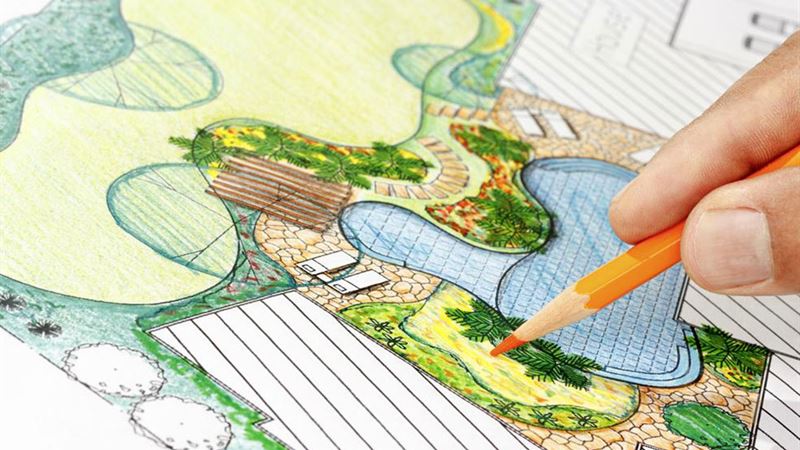
Optimal Layout Design:
Establishing a well-organized layout is fundamental for small garden projects. Use defined zones to create a sense of order and spaciousness. Segregate different areas with fences, hedges, or ornamental screens to define spaces without cluttering the overall design. Incorporate pathways, stepping stones, or gravel to guide movement naturally while adding aesthetic value. Vertical structures such as trellises or pergolas can add height and dimension, making the space feel more expansive. Strategically placing seating areas, focal points, and plant beds ensures a cozy, inviting environment that feels larger than it truly is.
Color Selection:
Color plays a crucial role in visual perception. Opt for bright, bold, and contrasting colors in the foreground to create an illusion of depth and recession. Vibrant flowering plants, colorful pots, and decorative accents draw attention and make the space appear more vibrant and larger. Use lighter shades to highlight focal points, while darker hues recede into the background. Consider color harmony and complementarity to unify the design, making small areas feel cozy yet open. Proper color placement can transform a modest garden into a lively, eye-catching oasis.
Encouraging Creativity:
One of the main advantages of limited space is the opportunity to incorporate unique, intricate details that might be lost in larger gardens. Use small decorative motifs, artistic sculptures, or bespoke garden ornaments to add personality. Experiment with creative planting arrangements, such as container gardens, green walls, or layered plantings, to maximize visual interest. Incorporate innovative materials like recycled or upcycled items to create eco-friendly and attractive features. Small, detailed touches can dramatically elevate the overall aesthetic, making your garden a personalized retreat.
Plant Choices for Small Gardens:
Selecting the right plants is essential for optimizing space and sunlight. Favor horizontally spreading, dwarf, or miniature varieties that don't obstruct light or create a cramped appearance. Shrubs, ground covers, or dwarf trees work well to create structure without overwhelming the space. Arrange taller plants towards the back or corners to provide height and depth while maintaining openness. Ensure the plants you choose are suitable for your climate and soil conditions, and opt for species that require minimal maintenance, adding to the garden's lasting appeal.
Foliage and Texture:
In small gardens, foliage richness can enhance perception of size and add lushness. Large-leaf tropical plants, ferns, or decorative foliage with contrasting textures can create the illusion of volume. Use plants with variegated leaves or interesting patterns to add visual diversity. Incorporate evergreen plants for year-round interest and lushness. Proper foliage placement not only provides cooling effects and improves ambiance but also adds layers and depth that make the space feel bigger and more vibrant.
In conclusion, creating a stunning small-scale landscape is entirely achievable with strategic planning and creative ingenuity. Incorporate these tips to maximize your limited space, making your garden an attractive, functional, and welcoming haven that enhances your outdoor living experience.