
Comprehensive Guide to Choosing the Best Floor Cleaners for Every Type of Flooring
Discover the ultimate guide to selecting the best floor cleaners for every surface—wood, laminate, tile, or carpet. Learn expert tips on eco-friendly cleaning methods, suitable products, and maintenance routines to keep your floors pristine. This comprehensive overview ensures effective cleaning while protecting your flooring materials and environment, saving you money and preventing costly repairs. Whether you prefer natural solutions or advanced steam cleaners, find out how to achieve a spotless, durable finish that enhances your space's beauty for years to come.
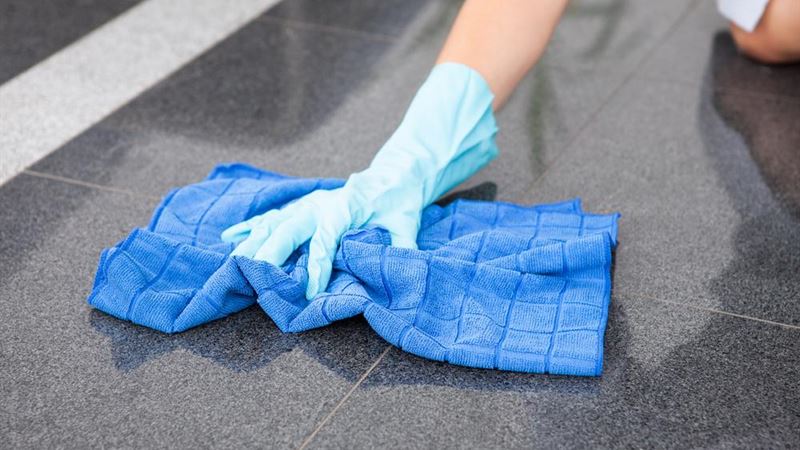
Maintaining spotless floors is a vital aspect of home and commercial cleanliness, but it can be more complex than it appears due to the variety of flooring materials available today. Each type of floor—be it hardwood, laminate, tile, or carpet—requires specific cleaning methods and products to preserve its integrity and appearance. Selecting the most suitable floor cleaner is crucial not only for achieving a pristine look but also for safeguarding the environment, your family’s health, and your home’s structural longevity. When choosing a floor cleaner, you need to prioritize natural ingredients, safety, and effectiveness to ensure comprehensive cleaning without adverse effects. This guide aims to help you understand the different types of floor surfaces, the appropriate cleaning solutions, and tips for maintaining each type for years to come.
It’s important to assess the surface material of your floors before choosing a cleaning product. Different materials demand different approaches; for example, wooden floors are sensitive to moisture and harsh chemicals, whereas tiles and stone can withstand stronger cleaning agents. For carpeted surfaces, the focus is often removing stains and accumulated dust, thus requiring specialized carpet cleaners or vacuums with HEPA filters. Recognizing the material allows you to narrow down your options efficiently and prevent damage caused by incompatible cleaning products. Using inappropriate cleaners can result in discoloration, warping, or weakening of the flooring, leading to costly repairs or replacements. Consequently, reading labels and product descriptions carefully is essential, but it’s equally important not to rely solely on marketing claims. Prefer natural, eco-friendly cleaners that are free from aggressive chemicals to protect your living environment and avoid health issues, particularly for children and pets.
For example, sometimes a simple solution of warm water mixed with mild soap is sufficient for routine cleaning, especially on delicate wooden or laminate floors. Regular sweeping or vacuuming to remove loose dirt and debris should precede any wet cleaning to prevent scratching or damage. For hardwood floors, ensure that excess water does not sit on the surface for long, as moisture can cause warping or swelling. Laminate floors, which mimic hardwood but are more vulnerable to water damage, should primarily be cleaned with damp cloths and gentle cleaning solutions designed specifically for lamination. Strong chemical cleaners are unnecessary, and they pose risks to the floor's surface and the environment.
Understanding the different types of floor cleaners available on the market can help you make an informed choice. Here are some of the main categories:
- Wood Floor Cleaners: Designed for hardwood and engineered wood surfaces, these cleaners are usually pH-balanced and gentle enough to clean without stripping the finish or damaging the wood.
- Laminate Floor Cleaners: These are specially formulated to clean laminate surfaces while preventing water seepage that could cause swelling or delamination.
- Steam Floor Cleaners: An eco-friendly alternative that uses high-temperature steam to disinfect and clean floors without the need for chemicals. These devices are effective for various surfaces, including tile, stone, and sealed wood, providing a chemical-free, deep-cleaning experience.
Among these, steam cleaners are notably beneficial for environmentally conscious consumers. They utilize water vapor and replace conventional chemical cleaning agents, reducing your home’s chemical footprint. The steam penetrates dirt, grease, and bacteria, leaving floors sanitized and spotless without residue. Additionally, steam cleaners require relatively low maintenance and can be used repeatedly without replenishing cleaning solutions, making them cost-effective over time. For regular household cleaning, the combination of routine sweeping and periodic deep cleaning with suitable floor-specific solutions can keep your floors looking their best for years to come.
In conclusion, choosing the right floor cleaner is a matter of understanding your flooring material, considering eco-friendly options, and following best practices for cleaning. Always opt for natural, biodegradable products whenever possible, and avoid harsh chemicals that may damage your floors and pollute the environment. Regular maintenance routines tailored to each type of flooring will not only preserve their aesthetic appeal but also extend their lifespan. Whether it’s a quick mop with warm water or advanced steam cleaning, selecting the appropriate method will ensure your floors remain beautiful, durable, and safe for everyone in your home or business.