
Essential Tips to Consider Before Using a Barbecue Grill
Discover essential tips for successful outdoor grilling, from choosing the right grill types and understanding their features to mastering searing and slow smoking techniques. This comprehensive guide helps both beginners and experienced enthusiasts improve their barbecue skills and create flavorful, perfectly cooked meats. Learn about different grilling methods, tips for preparing meat, and how to achieve that ideal smoky flavor to elevate your outdoor cooking adventures.
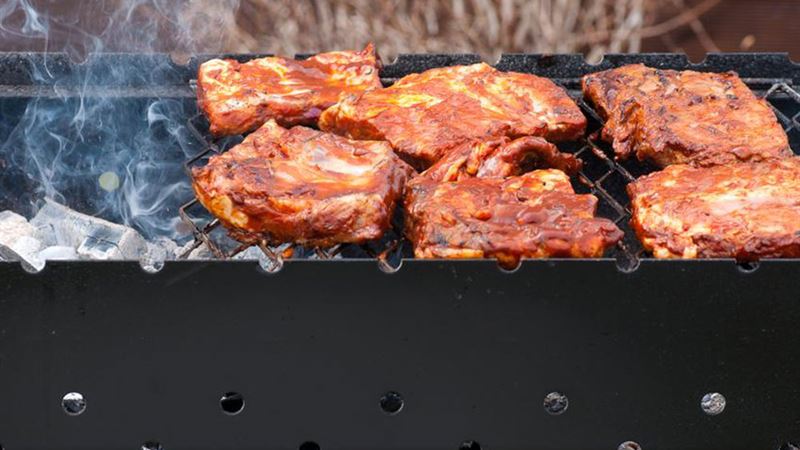
Engaging in barbecuing is an art that involves understanding various techniques and choosing the right equipment to achieve perfect flavor and texture. Whether you're a seasoned griller or a beginner, knowing the nuances of different grilling methods and the best tools to use can elevate your outdoor cooking experience. Selecting a high-quality, durable outdoor barbecue grill is crucial as it significantly influences the outcome of your cooked dishes. This guide offers comprehensive insights into the types of grills, their features, and best practices to ensure your grilling sessions are successful and enjoyable.
Understanding Different Types of Grills
Effective grilling can be achieved through various methods, primarily direct grilling and indirect grilling. To master these techniques, it’s vital to familiarize yourself with the different kinds of grills available in the market. The main categories include charcoal grills, gas grills, electric grills, and infrared grills, each with unique features and advantages. Charcoal grills are often preferred for their affordability and ability to impart a smoky flavor to food. They are typically simple in design, consisting of a metal container for charcoal beneath a grill grate, making them accessible for most outdoor spaces. Gas grills, on the other hand, are more convenient, offering quick ignition and temperature control. They range from budget-friendly models to premium units equipped with additional features like side burners, rotisseries, or built-in thermometers. Electric grills are ideal for those who seek a low-maintenance option, especially in areas where open flames are restricted. Infrared grills utilize advanced heating technology to produce intense, evenly distributed heat, making them suitable for high-temperature searing and rapid cooking.Pricing and Features of Different Grills
The cost of grills varies significantly based on size, technology, and added functionalities. Entry-level charcoal grills are usually affordable, suitable for casual grilling, and ideal for small gatherings or occasional use. Mid-range gas grills provide more control over heat and additional features, making them suitable for regular barbecue enthusiasts. High-end outdoor grills often come equipped with advanced features such as smoke cabinets, multiple zones for cooking different types of food simultaneously, portable designs, or even Wi-Fi connectivity for remote monitoring. Electric and infrared grills tend to be priced higher owing to their sophisticated heating technology and convenience features, offering users a seamless grilling experience. Such premium units often include digital temperature controls, multiple cooking modes, and safety features to enhance usability and safety.Preparing Meat for Grilling
Getting the meat ready is a fundamental step in the grilling process. For optimal results, it’s common practice to put the meat directly over the heat source initially. This step, known as searing, seals the meat’s surface, locking in juices and flavors while creating those desirable grill marks. After searing each side for a few minutes, it’s advisable to move the meat to a cooler zone on the grill, away from direct heat. This technique ensures the meat cooks evenly without burning on the outside. Proper searing followed by indirect cooking helps achieve a juicy interior with a flavorful crust.The Art of Slow Smoking
For those who prefer a more tender and richly flavored outcome, slow smoking is an excellent method. This process entails cooking meat at a low temperature over several hours, allowing smoky flavors to fully penetrate the meat while breaking down connective tissues for tenderness. Patience is key: maintaining a consistent low temperature is vital for a successful smoke. The ideal smoking temperature is around 225°F (107°C), which allows slow and even cooking. Popular meats for smoking include brisket, ribs, ham, and roasts. The process begins with preparing the smoker with wood chips or chunks — hardwoods such as hickory, apple, or mesquite are common choices. Throughout the smoking process, monitoring temperature and adding wood as needed are essential steps to ensure sustained flavor and quality. This method produces ribs that are fall-off-the-bone tender, briskets with a smoky crust, and other cuts that develop complex flavors over time.Gathering Tips for a Perfect Grilling Experience
Successful barbecuing doesn’t just depend on the type of grill or temperature; preparation, timing, and technique all play crucial roles. Always preheat your grill before cooking to ensure proper heat distribution. Clean grates thoroughly to prevent sticking and ensure appealing grill marks. Season your meat well ahead of time, allowing flavors to penetrate deeply. Use a meat thermometer for precise doneness, especially for thicker cuts. Additionally, managerial skills such as managing flare-ups, controlling temperature zones, and resting meat after cooking contribute to perfect results. Keep safety in mind by operating grills in well-ventilated areas and wearing protective gear. Remember, practice makes perfect, and each grilling session provides an opportunity to refine your skills and discover new flavor combinations.Conclusion: Elevate Your BBQ Game