
Ultimate Guide to Selecting the Perfect Weber Gas Grill for Your Home and Outdoor Cooking Needs
Discover how to pick the ideal Weber gas grill for your home, considering various series, size, material, and safety features. This guide offers expert tips to help you make informed decisions for durable, efficient, and stylish outdoor grilling, perfect for household and outdoor cooking enthusiasts.
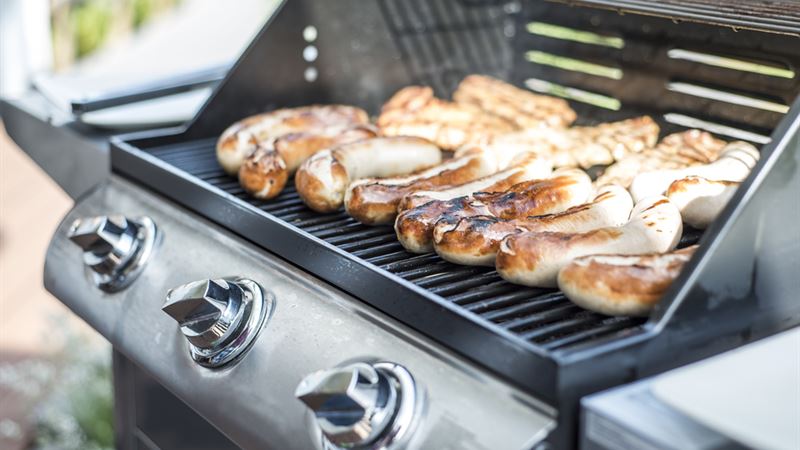
When investing in a grill for your home or outdoor occasions, durability and performance should take precedence over cost. Often, budget-friendly grills may seem appealing initially but tend to require replacement sooner than expected. To ensure longevity and top-notch performance, it’s advisable to consider premium-grade grills, particularly from reputable brands like Weber. Weber offers an extensive range of gas grills tailored to diverse needs, alongside highly regarded charcoal options that excel in flavor and performance. This comprehensive guide will walk you through selecting the most suitable Weber gas grill that aligns with your culinary and outdoor entertainment aspirations.
Exploring the Key Ranges of Weber Gas Grills
Weber manufactures a variety of gas grills, each designed to serve specific household sizes, cooking styles, and outdoor environments. The primary series include:
- Spirit II Series
- Genesis II Series
- Summit Series
- Q Series
Understanding the features, capacity, and ideal usage scenarios of these series will help you make an informed choice tailored to your grilling habits.
Spirit II Series: These portable yet reliable grills are perfect for compact outdoor spaces or limited groups. Typically equipped with 2-3 burners, they offer adequate heat distribution, ample cooking space, and user-friendly features. They come with flavorful accessories like flavorizer bars and integrated side tables, making them suitable for small family gatherings or weekend barbecues. Price points for Spirit II models usually range from $499 to $599, making them an excellent entry-level premium option.
Genesis II Series: Designed for larger groups and more versatile cooking experiences, Genesis II grills come with 2 to 6 burners, providing multiple zones of heat for diverse cooking techniques, such as smoking, direct, or indirect grilling. These models are equipped with features like side shelves, optional rotisserie attachments, and advanced temperature controls. Smaller versions, such as Genesis II LX, are perfect for balconies or patios, while larger models suit backyard gatherings and outdoor parties. The price range typically spans from $799 to over $1,200, depending on features.
Summit Series: The pinnacle of Weber’s premium offerings, the Summit series, combines cutting-edge technology with high-capacity grilling. With 4 to 6 burners, these grills are ideal for gourmet cooks and serious outdoor chefs. Notable features include searing stations, infrared side burners, and versatile cooking grates. Their ability to deliver restaurant-quality results makes them best suited for those passionate about grilling and outdoor culinary artistry. These models come in various colors, with prices starting at approximately $1,499, reflecting their advanced features and build quality.
Q Series: Designed for portability and outdoor adventures, the Q series caters to campers, tailgaters, and small outdoor enthusiasts. Lightweight and easy to carry, these grills are equipped with 2 burners and foldable legs for maximum convenience. While compact, they don’t compromise on performance, providing reliable heat and simple operation. Generally priced between $400 and $600, the Q series is perfect for those who want quality grilling on-the-go, from picnics to camping trips.
After selecting your desired Weber gas grill series, you'll need to consider several practical factors to optimize your purchase and cooking experience.
Assessing the Right Grill Size
Many aspiring grill owners mistakenly assume that a larger grill automatically equates to better performance. However, size should be dictated by your typical cooking needs. Larger grills, while offering more space, tend to take longer to preheat and may use more gas, increasing operational costs. They are also less portable, hence less suitable for small patios or frequent outdoor trips. Reflect on your typical cooking volume—do you often host large gatherings or cook for just a few people? If you mainly prepare small meals or have limited outdoor space, a modest-sized grill will suffice, providing efficient heating and ease of use.
Choosing the Appropriate Grill Grate Material
The durability, heat retention, and maintenance of your grill largely depend on the material of its grates. The common options include stainless steel, cast iron, and porcelain-enameled grates. Your choice will depend on your cooking preferences and maintenance routine.
- Stainless Steel: Known for resistance to rust, corrosion, and easy cleaning, stainless steel grates are favored for their longevity and non-reactive surface. They heat evenly and are suitable for diverse food types, though food may stick if not cleaned properly.
- Cast Iron: Celebrated for excellent heat retention and superior searing capabilities, cast iron grates create those perfect grill marks and enhance flavor development. Many cast iron grates are coated with porcelain to prevent rusting, making maintenance easier. They react well with acidic ingredients and are preferred when long, consistent heat is required, though they need regular seasoning and careful cleaning.
- Porcelain-Enamel Coated: These grates combine the benefits of cast iron and stainless steel, offering non-stick qualities and resistance to rust and corrosion. They require less maintenance and provide even cooking heat, suitable for frequent grilling sessions.
Prioritizing Safety on Your Grill
Safety should always be a priority when operating any grill. Weber gas grills come equipped with safety features like locking wheels and secure lids to prevent tipping and spillage. Always ensure your grill is positioned on a flat, stable surface, and keep children or pets at a safe distance during operation. When cooking, avoid overloading the grill with excess fuel or unstable configurations. After grilling, make sure you turn off the gas supply, cool down the appliance, and clean leftovers to prevent accidental fires or spills. Proper maintenance and cautious use will ensure a safe and enjoyable grilling experience every time.
By carefully considering these factors—size, material, safety features, and intended usage—you can select the perfect Weber gas grill that maximizes value, performance, and safety. Whether you’re hosting backyard barbecues, outdoor parties, or enjoying casual cookouts, a Weber grill can elevate your outdoor culinary experience, delivering both efficiency and style. Invest wisely, and your grill will serve you well for many seasons to come, making each outdoor cooking session a memorable event.