
Comprehensive Guide to Choosing the Perfect Large-Screen Television
Discover the essential factors to consider when choosing a large-screen television. From optimal size and viewing distance to resolution and placement, this comprehensive guide helps you make an informed investment for your living space. Learn how to select the ideal TV that matches your room size, enhances your viewing experience, and offers excellent picture quality. From mid-sized rooms to expansive living areas, find out what sizes, resolutions, and features suit your needs best. Enhance your home entertainment with expert tips for selecting the perfect large-screen TV tailored to your space and lifestyle.
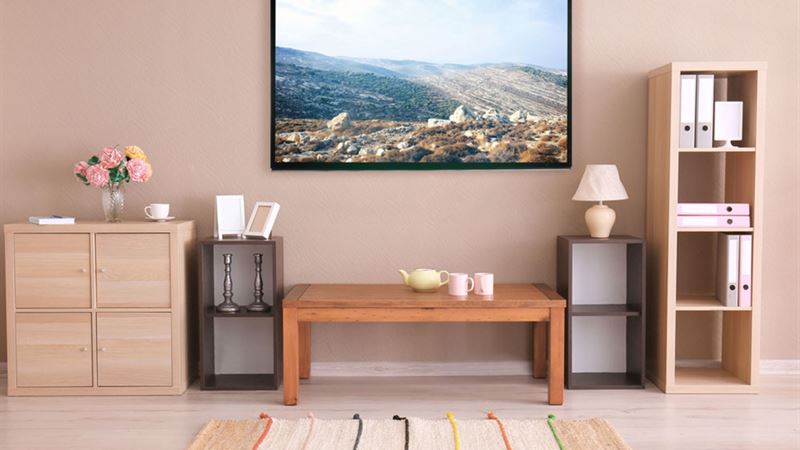
When shopping for a big-screen television, understanding key factors can make all the difference in making a satisfying purchase. The right TV size depends heavily on the viewing environment, seating arrangement, room dimensions, and your personal viewing preferences. Whether you are upgrading your home entertainment system or choosing your first large-screen TV, taking the time to evaluate these factors ensures an optimal viewing experience that combines clarity, comfort, and aesthetic appeal.
One fundamental aspect is the optimal viewing distance. Experts recommend sitting at a distance that is approximately three times the height of the television screen for HD TVs. This ensures you enjoy crisp images without being able to discern individual pixels, which could diminish picture quality.
In terms of screen size, models around 55 inches are often considered ideal for medium-sized rooms. This size strikes a balance between immersive viewing and space efficiency. For larger living rooms or open-concept layouts, TVs in the 65 to 75-inch range can provide an even more engaging experience, filling the space with stunning picture quality without overwhelming the room.
Assessing Room Size and Layout
Choosing the appropriate TV size for a crowded or spacious room begins with understanding the volume of the space and the viewing distance. For tightly packed areas, a 50 to 60-inch screen is suitable if viewers are situated around 6 to 9 feet away. For larger rooms or when the seating area is farther from the screen, opting for bigger models ensures the image remains bright and engaging without the need to sit uncomfortably close.
Considering Viewing Angles and Placement
Another crucial consideration overlooked by many is the viewing angle. To optimize picture quality, the TV should be positioned parallel to the primary seating area. The ideal placement allows for no more than a 15-degree tilt above or below eye level and no more than a 40-degree deviation to the sides. Proper placement minimizes distortion and color shift, enhancing the viewing experience. Consulting with retail specialists or reading manufacturer guidelines can help you fine-tune your setup.
Screen Resolution and Quality
The resolution of your television becomes increasingly important as the screen size increases. For screens smaller than 40 inches, a 720p resolution might suffice, but for larger screens over 50 inches, higher resolutions such as 1080p, 4K UHD, or even 8K are recommended for crisp, detailed images, especially when sitting closer to the screen.
4K UHD TVs provide an incredible level of detail and are more future-proof as content streams and broadcasts increasingly support ultra HD formats. Sitting closer to a 4K screen reveals finer picture details, making it perfect for larger displays that demand high resolution.
Getting the right size and resolution for your television involves careful planning. It’s advisable to choose a dedicated space for your new television and base your size selection on the room’s dimensions and your typical viewing habits. After narrowing down the suitable sizes, research different brands and models to find features that match your preferences. Reading reviews and comparing specifications help in making an informed decision, ensuring your investment is both worthwhile and satisfying.
In conclusion, selecting the ideal large-screen TV involves balancing room size, viewing distance, angles, resolution, and personal preferences. By considering these factors carefully, you can select a television that offers immersive quality, comfortable viewing, and excellent value. Take your time in researching options, visit stores to see models in person, and don’t rush the decision. A bit of planning now can lead to years of enjoyment from your premium home entertainment system.
One fundamental aspect is the optimal viewing distance. Experts recommend sitting at a distance that is approximately three times the height of the television screen for HD TVs. This ensures you enjoy crisp images without being able to discern individual pixels, which could diminish picture quality.
In terms of screen size, models around 55 inches are often considered ideal for medium-sized rooms. This size strikes a balance between immersive viewing and space efficiency. For larger living rooms or open-concept layouts, TVs in the 65 to 75-inch range can provide an even more engaging experience, filling the space with stunning picture quality without overwhelming the room.
Assessing Room Size and Layout
Choosing the appropriate TV size for a crowded or spacious room begins with understanding the volume of the space and the viewing distance. For tightly packed areas, a 50 to 60-inch screen is suitable if viewers are situated around 6 to 9 feet away. For larger rooms or when the seating area is farther from the screen, opting for bigger models ensures the image remains bright and engaging without the need to sit uncomfortably close.
Considering Viewing Angles and Placement
Another crucial consideration overlooked by many is the viewing angle. To optimize picture quality, the TV should be positioned parallel to the primary seating area. The ideal placement allows for no more than a 15-degree tilt above or below eye level and no more than a 40-degree deviation to the sides. Proper placement minimizes distortion and color shift, enhancing the viewing experience. Consulting with retail specialists or reading manufacturer guidelines can help you fine-tune your setup.
Screen Resolution and Quality
The resolution of your television becomes increasingly important as the screen size increases. For screens smaller than 40 inches, a 720p resolution might suffice, but for larger screens over 50 inches, higher resolutions such as 1080p, 4K UHD, or even 8K are recommended for crisp, detailed images, especially when sitting closer to the screen.
4K UHD TVs provide an incredible level of detail and are more future-proof as content streams and broadcasts increasingly support ultra HD formats. Sitting closer to a 4K screen reveals finer picture details, making it perfect for larger displays that demand high resolution.
Getting the right size and resolution for your television involves careful planning. It’s advisable to choose a dedicated space for your new television and base your size selection on the room’s dimensions and your typical viewing habits. After narrowing down the suitable sizes, research different brands and models to find features that match your preferences. Reading reviews and comparing specifications help in making an informed decision, ensuring your investment is both worthwhile and satisfying.
In conclusion, selecting the ideal large-screen TV involves balancing room size, viewing distance, angles, resolution, and personal preferences. By considering these factors carefully, you can select a television that offers immersive quality, comfortable viewing, and excellent value. Take your time in researching options, visit stores to see models in person, and don’t rush the decision. A bit of planning now can lead to years of enjoyment from your premium home entertainment system.