
Essential Factors to Know Before Purchasing a Commercial Truck
Discover comprehensive insights on selecting the perfect truck, including model comparisons, body styles, engine options, and towing capacities. Learn how to pick a versatile, durable, and cost-effective vehicle tailored to your needs, whether for personal use or business.
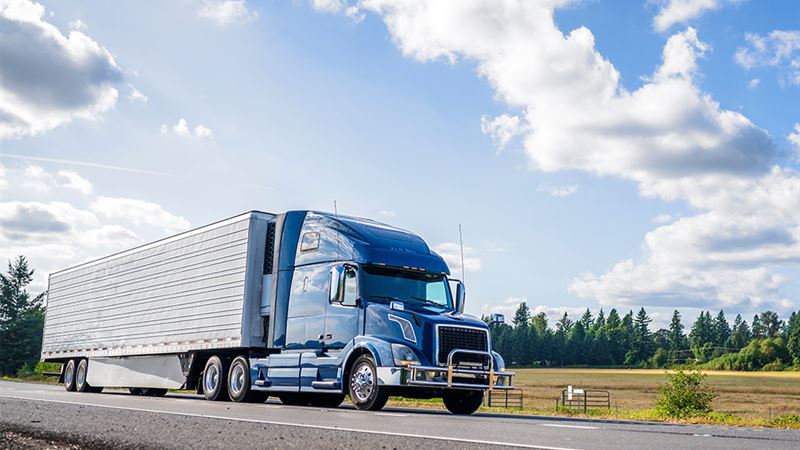
Making the decision to buy a truck is a substantial investment that requires careful consideration and thorough research. The plethora of available options can be overwhelming, but understanding key aspects such as truck types, specifications, and features can help you make an informed choice. Whether you're a small business owner needing a reliable workhorse or an individual seeking a versatile vehicle for personal use, knowing what to look for can save you time, money, and stress.
Evaluating Top-Rated Pickup Trucks
When beginning your truck purchase journey, focusing on some of the most reputable pickup trucks in the market is a smart move. Numerous reviews and comparisons are available online, offering insights into their performance, durability, and value. Popular models such as Ford's F-Series, Ram trucks, and Toyota Tacoma have established themselves as favorites among consumers due to their impressive capabilities and features. These trucks come in various configurations, allowing buyers to choose based on size, bed length, engine options, and interior luxury. Considering these variations ensures you select a vehicle tailored to your specific needs.
It's essential to prioritize versatility, robustness, and affordability when selecting a truck. The Ford F-Series, particularly the Ford F150, represents a flagship in the pickup segment, available in multiple sizes and engine configurations to suit different purposes. Ram trucks and Toyota Tacoma are also highly regarded for their strength and reliability, making them top choices among truck enthusiasts.
In addition to traditional reviews, video demonstrations of different truck models provide a visual understanding of their performance, interior comfort, and features. Comparing new truck prices across brands helps determine which options fit within your budget. Many trusted manufacturers produce trucks that not only excel in size and power but also boast luxurious interiors, blending comfort with capability.
Diverse Body Styles and Configurations
Modern trucks come in a broad spectrum of styles designed to meet various functional and aesthetic preferences. For instance, compact and midsize pickups are ideal for lighter duties, urban commuting, or leisure activities. These smaller trucks are easy to maneuver, fuel-efficient, and perfect for daily errands.
Many models offer extended cabs, enhancing passenger capacity and convenience. The 2015 GMC Canyon SLT, as an example, features a crew cab with four doors, making it suitable for families or work crews. Such configurations allow for greater flexibility in both personal and commercial settings.
Heavier-duty trucks, categorized as three-quarter ton, half-ton, or one-ton models, serve more demanding purposes like hauling heavy loads or towing large trailers. While these categories have historically defined maximum payloads, modern engineering advancements have allowed some trucks to exceed traditional weight ratings. For example, a half-ton pickup can often handle more than its nominal capacity, thanks to improved frame structures and suspension systems.
If daily comfort and fuel economy are priorities, a half-ton pickup provides a balanced solution. These trucks offer sufficient towing capacity without compromising on ride quality or cost-efficiency. Heavy-duty trucks, like one-ton or three-quarter-ton models, are best suited for more rigorous tasks such as construction, logistics, or recreational towing, where maximum payload and towing capacity are essential.
Powertrain Options and Engine Choices
The choice of engine significantly influences a truck’s performance, fuel efficiency, and overall utility. For typical use, half-ton and midsize trucks equipped with four-cylinder engines offer ample space and power for day-to-day tasks. These engines strike a good balance between performance and economy.
More robust vehicles, such as three-quarter-ton trucks, are usually powered by V8 engines, which, although less fuel-efficient, deliver considerable power required for heavy towing and hauling. Recent advancements have increased options for diesel engines across various truck categories, providing superior torque, fuel mileage, and longevity.
Diesel engine options, once exclusive to heavy-duty vehicles, are now available in many light and full-sized trucks. Their high torque output makes them ideal for towing large loads over long distances efficiently. When selecting a truck, carefully review engine specifications, calibration, and power ratings to ensure they align with your performance requirements and budget.
Towing Capacity and Load Capabilities
The towing capacity of a truck determines how much weight it can safely pull or carry, which depends on multiple factors, including engine strength, axle and suspension durability, and added towing equipment. Understanding these variables is critical for choosing the right truck for your specific needs.
Light-duty trucks are suited for lighter loads, such as small trailers, boats, or equipment, while heavy-duty trucks are engineered for substantial towing tasks like large RVs, cargo trailers, or industrial equipment. If your work involves frequent loading and offloading operations, opting for a model with higher towing capacity is advisable.
When evaluating trucks, consider not just the maximum towing capacity but also other features such as braking systems, hitch setups, and trailer sway control. Your lifestyle, work requirements, and budget should guide your choice to ensure you select a truck that offers reliable performance and safety.
In conclusion, selecting the right truck involves balancing size, power, features, and cost. Comparing specifications thoroughly and understanding your personal or business needs will help you make an optimal purchase, ensuring durability, efficiency, and satisfaction in the long run.