
Comprehensive Guide to Modern Washing Machines and Dryers for Efficient Laundry Care
Explore the comprehensive guide to modern washing machines and dryers, featuring the latest technologies, types, and features to optimize your laundry routine. From space-saving units to smart appliances, discover how to choose the best setup for efficiency and convenience in your home.
Choosing the right laundry appliances is essential for maintaining clean, fresh clothes while optimizing energy and water consumption. With a variety of washer and dryer types available, understanding their features, benefits, and ideal use cases helps consumers make informed decisions tailored to their needs.
Top-load washing machines are among the most traditional options, favored for their straightforward operation and ease of access. These machines typically utilize an agitator to clean clothes by physically moving them in water. This design makes them suitable for small to medium laundry loads, especially for users who prefer quick cycles and ergonomic convenience. The agitator's presence means less capacity compared to other models but offers simplicity in operation, suitable for households with standard laundry needs.
High-efficiency top-load washers have revolutionized laundry routines by combining eco-conscious technology with effective cleaning power. These models avoid the traditional agitator, instead employing an impeller mechanism to circulate water and clothes gently yet thoroughly. They consume significantly less water and energy, aligning with sustainable living goals. Although they tend to have longer wash cycles, their gentleness on fabrics ensures clothing longevity and prevents damage. They require specialized high-efficiency detergents, which further optimize their cleaning performance and reduce environmental impact.
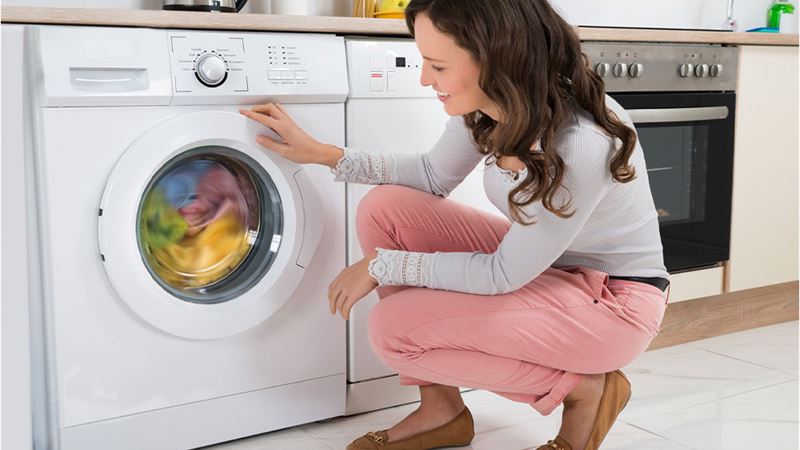
Front-load washers and dryers have gained popularity due to their efficiency and modern design. These units feature doors at the front, allowing for horizontal loading, and utilize tumbling agitation to clean clothes. Their water usage can be up to 30% less than traditional top-load models, making them an excellent choice for eco-conscious consumers. Despite a higher initial cost and longer cycle times, front-load machines often provide superior cleaning results and gentler handling of delicate fabrics. They are available in various configurations: compact units suitable for small spaces like apartments and lofts, full-size machines with capacities exceeding 2.1 cubic feet, and mega-capacity models designed for large families or those with extensive laundry needs.
Compact front-load washers and dryers are ideal solutions for situations with limited space. They can be stacked vertically, which maximizes available room in apartments or small homes. Full-size units, on the other hand, offer larger capacity for regular household laundry routines, with dryers sometimes positioned on the side to save space. Mega-capacity washers and dryers serve households with high laundry demands, often surpassing 5 cubic feet in capacity. These large models handle bulky items and heavy loads, reducing the number of wash cycles needed for big families.
High-efficiency front-load washers incorporate sophisticated features such as short paddles or fins inside the drum, which spin vertically similar to a dryer. These fins lift clothes during the wash cycle, ensuring thorough cleaning while using less water and detergent. They dynamically determine the required water volume based on load size, optimizing resource consumption. The tumbling action enhances cleaning effectiveness, especially for heavily soiled garments, while maintaining fabric integrity and minimizing wear.
Stacked washer-dryer units, often called laundry centers, combine both appliances into a single, space-saving unit. These are permanently coupled, with the washer on top and the dryer beneath, often available in electric and gas configurations. Although their capacity might be somewhat limited compared to standalone models, they are excellent options for maximizing space in smaller homes or apartments. Notably, the production of laundry centers has decreased as manufacturers shift focus toward modular units, but still remain a practical solution where space is at a premium.
All-in-one washer-dryer combo units integrate washing and drying functions within a single compact appliance. Designed mainly for small spaces, these ventless machines feature a front-loading design similar to standard washers, with a built-in drying system that requires no external venting. They are perfect for urban dwellers, students, or anyone needing a streamlined laundry solution that saves space and simplifies laundry routines. Although their cycle times can be longer, their convenience makes them increasingly popular among busy households.
Modern laundry appliances are now equipped with smart technology, bringing a new level of control and convenience. Smart washers and dryers connect to Wi-Fi or home automation systems, allowing remote operation and monitoring through smartphone apps. Users receive notifications when cycles complete, can start or pause laundry remotely, and even track maintenance needs. This integration reduces hassle, enhances efficiency, and helps households stay on top of their chores, saving time and effort.
Beyond conventional models, innovative and specialized washers and dryers cater to unique laundry needs. Some full-sized washers feature a small pedestal washer for handling petite loads or delicate items separately. Others include dual washer units stacked on top of each other, boosting capacity without requiring additional space. These customizable options allow users to tailor their laundry routines to specific requirements, optimizing efficiency and convenience.
Dryer types are similarly diverse. Gas dryers utilize natural gas or propane to generate heat efficiently, requiring proper ventilation to exhaust combustion gases. They are prized for their quick drying times and lower operational costs compared to electric dryers. Vented dryers, which remove moisture through an external venting system, tend to have larger capacities and are the most common in residential settings. Condenser dryers operate without external venting by condensing moisture from the air into a collection tank or draining it away, making them suitable for apartments or locations without venting options. Heat pump dryers are an advanced, ventless technology that reuses heated air in a closed-loop system, offering significant energy savings and gentle drying, especially for delicate fabrics.
Contemporary dryers incorporate innovative features such as steam cycles for sanitization, wrinkle reduction, and fabric refreshment. Modern models also include digital controls, moisture sensors, and laundry scheduling options, giving users greater flexibility and efficiency. When selecting a dryer, consider the type of drying technology, capacity, energy efficiency, and additional features to match your household's laundry routines and environmental preferences.
In conclusion, the world of laundry appliances is evolving rapidly, offering a broad spectrum of options designed to cater to various lifestyles and space constraints. Whether choosing a traditional top-load, efficient front-load, space-saving stacked units, or smart, energy-efficient models, understanding their features and benefits ensures optimal laundry performance. Investing in the right washer and dryer not only simplifies household chores but also aligns with sustainable living practices, reducing water and energy consumption while maintaining clothes' quality and longevity.