
Comprehensive Guide to Reordering Checks: Procedures, Tips, and Modern Alternatives
This comprehensive guide explores various methods of reordering checks, emphasizing online options, security, and the shift towards digital payments. It offers detailed steps, tips to expedite the process, and highlights modern alternatives like electronic transfers. Designed for personal and business users, the article helps readers manage their check supplies efficiently while embracing safer, faster payment methods. Whether ordering from banks, third-party vendors, or opting for digital solutions, understanding these processes ensures smooth financial transactions and reduces reliance on traditional checks, contributing to a more streamlined banking experience.
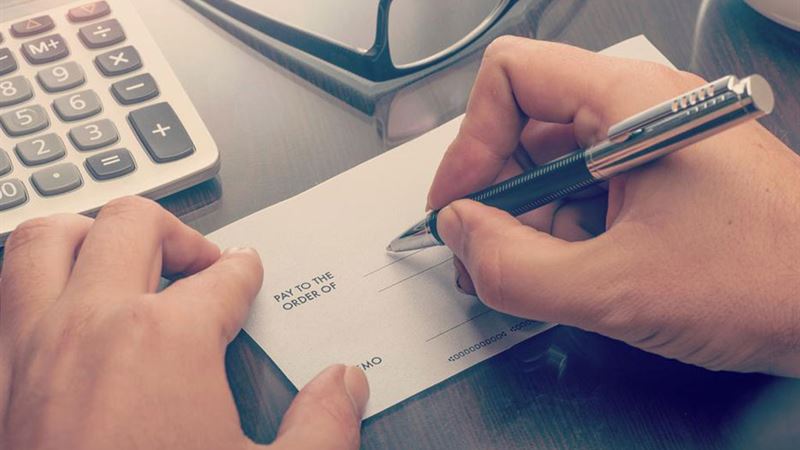
Managing your checks efficiently is an essential aspect of personal and business banking. Whether you’re running low on checks or seeking a fresh design, understanding the reordering process ensures smooth financial transactions. Reordering checks involves providing precise personal and banking information to your financial institution, which then processes your request. It's crucial to keep this information updated and secure to prevent delays or fraudulent activities. This comprehensive guide explores the various methods for reordering checks, security measures, the advantages of digital banking, and alternatives to traditional checks, helping you make informed decisions to optimize your banking experience.
Reordering checks is a routine task for many account holders, whether for personal use, business transactions, or special payments. It might seem straightforward, but it involves multiple considerations to ensure accuracy, security, and timely delivery. The process varies depending on the bank's policies, available online tools, or third-party vendors. Moreover, the digital transformation in banking has introduced new ways to manage check orders, offering Increased convenience and customization options. This guide provides detailed insights into each method, practical tips to speed up the reorder process, ways to avoid common pitfalls, and the benefits of transitioning to electronic payments.
Why is reordering checks necessary? Over time, checks get used up, damaged, or designed outdated, prompting the need for replenishment. Additionally, errors such as incorrect personal details or outdated addresses require correction. Reordering checks ensures that you have a consistent and reliable payment method, especially for transactions that demand physical checks like mortgage payments, rent, or large purchases. However, modern banking encourages reducing dependence on checks, advocating online payments, debit cards, and electronic transfers as more efficient options. Still, for those who prefer or require paper checks, understanding the reordering process is vital to avoid delays and inconvenience.
Methods to Reorder Checks
- Online Banking Platforms: Most banks enable customers to reorder checks directly through their secure online portals. This method often offers the most convenience, allowing you to order checks from your computer or mobile device anytime, anywhere. To do so, log into your bank’s website or app, navigate to the checks section, and follow the prompts. Ensure your account information like your address, account number, and routing number are current and correct before placing the order. The process is usually quick and straightforward, with options to customize check designs, choose postage methods, and track delivery status.
- Telephone Customer Service: Banks provide toll-free customer service lines where you can request a check reorder. A representative will guide you through the process, verify your identity, and assist with any special requests. It is advisable to have your account details handy when calling, to expedite the process. This method is beneficial if you prefer personal interaction or encounter issues with online ordering.
- At ATMs and National Branches: Many banks allow check reordering via their ATMs or by visiting physical branches. Using an ATM is convenient if you’re already in the branch or near an ATM that provides this service. Alternatively, visiting a branch enables in-person assistance, where bank staff can help verify your account details, update your information if necessary, and place your check order directly.
- Third-party Vendors and Check Printers: Numerous private companies specialize in printing personalized checks. After obtaining your bank account details and verification, you can order checks via these vendors’ websites. Many of these services offer extra customization options, such as including logos, images, or unique designs. It’s crucial to verify the legitimacy and security credentials of third-party vendors before sharing sensitive information.
Online Check Ordering: Step-by-Step Guide
- Begin by reviewing and updating your mailing address and contact details to ensure checks are delivered accurately.
- Select a preferred design—most vendors offer a range of styles, from classic to modern, with options for personalization.
- Provide the necessary banking information: your account number, routing number, and, in some cases, your bank’s name and address.
- Choose a delivery method. Standard shipping is cost-effective but slower, whereas expedited options provide quicker delivery at a higher fee. Many services now include tracking features for peace of mind.
- Review your order carefully, verify all details, and submit for processing. Fees will be deducted automatically from your account or billed to your credit card.
- If it’s your first order or if you’ve recently changed your address, double-check all input information before finalizing.
- Once ordered, monitor the delivery status via email or the vendor’s portal, and ensure the checks arrive in a timely manner.
Advantages and Drawbacks of Online Check Reordering
- **Convenience:** Orders can be placed anytime without visiting the bank physically.
- **Customization:** Greater options for personalized designs and features.
- **Security:** Reputable vendors employ encryption and identification tools to prevent fraud.
- **Time-Saving:** Faster processing and delivery compared to traditional in-branch orders.
- **Limitations:** Potential delays due to postal service or supply issues; security risks if not ordered from trusted sources.
Ordering Checks Directly from Your Bank
The easiest way for many is to request checks directly through their banking institution. Banks typically maintain your account information securely, making the reordering process simple and straightforward. Most banks provide check ordering services via their online banking platform or customer service line. While this method ensures that your checks match your account details precisely, it can be less customizable and somewhat more expensive than third-party vendors. Always ensure you are on the official banking website before entering sensitive data, and avoid sharing login credentials or personal information on unsecured platforms.
Strategies to Slow Down the Check Reordering Process
- Be proactive in tracking your check supplies to prevent last-minute shortages; ordering well in advance avoids delays.
- Maintain accurate and current personal and banking information to avoid processing errors.
- Limit the frequency of check orders to reduce unnecessary expenses and administrative efforts.
- Implement sufficient overdraft protection to cover accidental overdrawing and prevent bounced checks.
- Adopt alternative payment methods like electronic transfers or online bill payments to minimize reliance on checks.
Modern Alternatives to Traditional Checks
In an era marked by digital banking innovation, many individuals and businesses are transitioning away from paper checks towards more efficient and secure payment methods. Electronic transfers such as bank-to-bank e-transfers are highly secure, easy to track, and eliminate delays associated with mailing physical checks. Similarly, online bill pay features offered by most banks allow scheduling recurring payments without the need for checks. Debit cards and mobile payment apps provide instant, contactless transactions, supporting rapid, secure, and environmentally friendly exchanges. Embracing these digital solutions not only reduces the need for checks, but also enhances financial management through real-time updates and alerts, leading to smarter, safer banking practices.