
Understanding the Evolving Role of Lift Chairs in Modern Living and Caregiving
Lift chairs are transforming modern caregiving and lifestyle choices by providing independence, safety, and convenience. Widely used by seniors, caregivers, and even younger consumers, these versatile furniture pieces incorporate advanced features like built-in speakers and USB ports. Their evolving design enhances user comfort and caregiver safety, making them essential in contemporary homes and health environments. As awareness and demand grow, lift chairs are becoming a mainstream furniture option, blending medical necessity with modern lifestyle aesthetics to support healthier, safer, and more independent living for diverse populations.
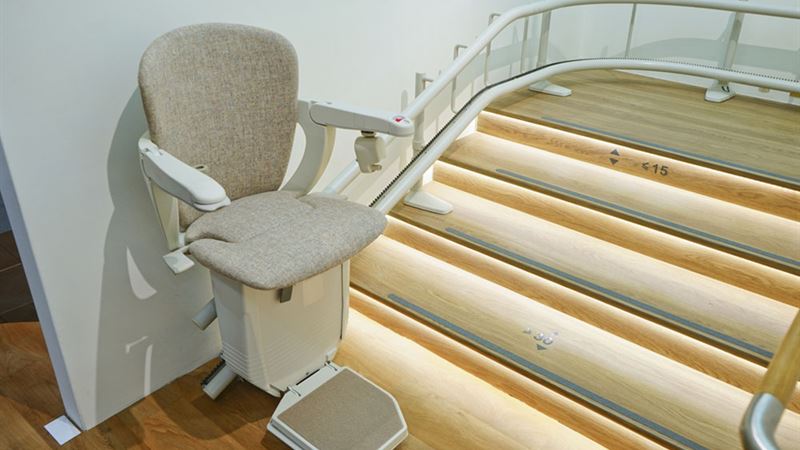
**Restoring Independence and Comfort for Users**
Lift chairs have revolutionized the way individuals with mobility issues maintain autonomy in their daily lives. Unlike traditional chairs, lift chairs feature a mechanical lifting mechanism that gently elevates the user from a sitting to a standing position, reducing strain and minimizing fall risk. These chairs are crafted with ergonomic considerations, offering plush cushioning, adjustable positions, and sleek designs that blend seamlessly into home decor. They serve not only as seating but also as assistive devices that empower users to perform everyday tasks with greater ease, promoting dignity and independence.
**The Significance for Caregivers**
Caregivers play a vital role in supporting individuals with health challenges, but their physical and emotional strain can be significant. Lift chairs substantially alleviate this burden by enabling care recipients to stand or sit with minimal assistance, thereby reducing the physical effort required. This translates to fewer injuries and lower fatigue levels among caregivers, fostering a safer caregiving environment. Recent studies reveal that nearly 54% of caregivers encounter injuries related to physical support tasks. Integrating lift chairs into care routines not only safeguards caregiver health but also enhances the overall quality of care.
**Supporting Health and Safety for Caregivers**
Caregiving often involves strenuous physical activities such as lifting, turning, and transferring patients, which pose risks of musculoskeletal injuries. Lift chairs mitigate these risks by providing a safer, mechanical solution that lessens the need for manual lifting. This reduction in physical strain helps prevent injuries and prolonged health issues among caregivers. Encouraging the use of lift chairs when appropriate ensures that caregivers can maintain their health and continue providing quality care without compromising their well-being.
**The Rising Popularity Among Younger Demographics**
While traditionally associated with elderly care, lift chairs are now gaining popularity among younger consumers. This shift is driven by a broader recognition of their health benefits and functional versatility. The younger generation seeks furniture that supports active and healthy lifestyles, and lift chairs are increasingly marketed as lifestyle-enhancing devices. Modern lift chairs come equipped with modern amenities such as built-in speakers, USB ports, and customizable features, making them attractive to tech-savvy and health-conscious buyers. Retail outlets ranging from furniture stores to electronics shops now stock a variety of stylish lift chairs designed to appeal to younger users who see them as multifunctional, health-oriented furniture options.
**Design Innovation and Market Expansion**
The evolution of lift chairs extends beyond their functional benefits. Manufacturers are now incorporating innovative features to meet the demands of diverse consumers. This includes aesthetic customization, remote control operation, heated and massage options, and compatibility with smart home systems. The market expansion into mainstream retail channels illustrates their transition from medical equipment to popular lifestyle furniture, reflecting a broader acceptance and understanding of their benefits. As a result, lift chairs are no longer solely associated with medical necessity but are also viewed as stylish, functional furniture pieces suitable for various environments.
**Choosing the Right Lift Chair**
With an expanding array of options, selecting the right lift chair requires understanding individual needs and preferences. Important factors include size, weight capacity, reclining features, additional comfort options, and technological integrations. Proper assessment ensures that users receive a chair tailored to their health requirements and aesthetic preferences. Consulting with healthcare professionals or experienced retailers can help identify the most suitable models that provide safety, comfort, and durability for years to come.
**Conclusion: A Vital Asset in Modern Living**
In summary, lift chairs have become a vital part of contemporary health and living solutions. Their ability to promote independence, enhance safety, and adapt to various lifestyles makes them indispensable. As technology advances and societal awareness grows, these chairs will continue to evolve, offering even more benefits to users and caregivers alike. Embracing these innovations can significantly improve quality of life, making daily routines safer, easier, and more comfortable.