
A Comprehensive Guide to the Development of Lift Mechanisms in Reclining Chairs
This comprehensive article explores the evolution of lift mechanisms in recliner chairs, highlighting technological advancements from early motorized designs to modern smart features. It covers types of lift systems, historical milestones, and future innovations, emphasizing their role in enhancing mobility and independence. Perfect for furniture enthusiasts, industry professionals, and users seeking comfort and accessibility, this guide offers valuable insights into how lift chairs are transforming living spaces and improving quality of life.
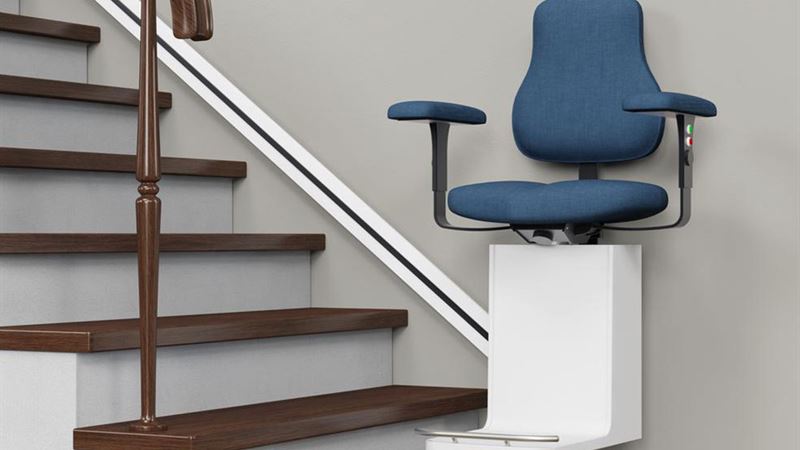
The evolution of lift mechanisms in recliner chairs represents a significant chapter in furniture innovation, combining comfort, functionality, and modern engineering. Over the decades, the design and technology behind lift chairs have undergone remarkable transformations, catering to an aging population and users requiring enhanced ease of movement. The modern lift chair is not merely a piece of furniture; it is a sophisticated device engineered to improve quality of life and independence for many users.
Understanding what sets a lift chair apart from conventional recliners is crucial. Central to its distinctive functionality is its internal lift mechanism. This internal component allows the chair to smoothly assist users in transitioning from sitting to standing, and vice versa, with minimal effort. This feature is especially vital for seniors, individuals with mobility challenges, and those recovering from injury or surgery. The internal mechanisms are carefully designed to ensure safety, ease of use, and durability, making lift chairs an essential addition to home healthcare solutions.
There are three primary types of lift mechanisms used in modern recliners, each suited to different user needs and preferences. The most prevalent type is the hydraulic lift system, typically housed beneath the seat cushion. This system employs hydraulic pistons and cylinders to provide gentle, controlled movement, lifting the entire chair and occupant seamlessly. The hydraulic mechanism's design allows for customizable lifting speeds and positions, ensuring a tailored experience that accommodates various user requirements.
The second category involves mechanisms attached directly to the chair's base, allowing the user to adjust positions through a lever or remote control. These systems often coordinate multiple components, such as the footrest and backrest, enabling smooth transitions between lounging and standing postures. Such mechanisms are appreciated for their simplicity and straightforward operation, making them ideal for users who prefer manual controls with limited complexity.
The third category encompasses mechanisms integrated between the cushions and structural frame, offering additional functionalities like integrated massage features, heating elements, and user-friendly buttons. These designs not only facilitate movement but also enhance comfort via customizable features, making the user experience more luxurious and versatile. Incorporating smart technologies into these mechanisms allows for remote operation, programmable settings, and even voice control, aligning with current smart home trends.
The origin of motorized recliners traces back to the early 1960s. The pioneering design, introduced in 1961, featured a motorized mechanism that revolutionized seating comfort and accessibility. This groundbreaking invention was quickly patented, setting the stage for subsequent innovations in lift chair technology. Early designs were primarily focused on adjustable seat cushions, inspired by everyday chairs like barber's seats, which allowed for height and position adjustments. These initial prototypes laid the groundwork for the versatile, user-centric lift chairs we see today.
Advancements in science and engineering continually pushed the boundaries of what was possible in recliner design. As consumer demands grew for more accessible and intuitive furniture, manufacturers began incorporating dual-motor systems into lift chairs. These modern designs allow independent control of different components, such as the backrest and footrest, providing a more natural and comfortable user experience. Dual-motor mechanisms also allow for a wider range of positioning options, including zero-gravity recline and custom memory settings, enhancing both functionality and user satisfaction.
Today, the industry has embraced smart technology, integrating wireless controls, app-based management, and even voice-activated commands into lift mechanism designs. These innovations facilitate autonomy for users, enabling them to operate their furniture effortlessly. Additionally, safety features such as overload protection, lock-out functions, and emergency stop controls have become standard to prevent accidents and ensure reliable operation. The combination of advanced materials, mechanical engineering, and digital technology continues to shape the future of lift chairs, making them more adaptable and user-friendly than ever before.
In conclusion, the evolution of lift mechanisms in recliner chairs marks a remarkable journey from basic manual devices to sophisticated, intelligent furniture solutions. Driven by technological innovations and shifting consumer needs, these mechanisms have become essential tools for improving mobility, independence, and comfort. Whether through hydraulic systems, multi-motor configurations, or smart integrations, lift chairs today reflect the pinnacle of ergonomic design and engineering excellence, promising a more accessible and comfortable future for users worldwide.