
The Growing Revenue and Innovation in Lift Chair Market
The lift chair market is rapidly expanding through technological innovation, diverse categories, and increasing demand driven by aging populations. Modern lift chairs now feature advanced motor systems, customizable options, and stylish designs, making them an essential choice for comfort and mobility. The industry is poised for further growth with smart technology integration, eco-friendly manufacturing, and personalized solutions. As more consumers prioritize ergonomic health and home automation, lift chairs will continue to evolve, offering a blend of functionality and style that meets diverse needs. This thriving industry promises increased opportunities for manufacturers and retailers worldwide.
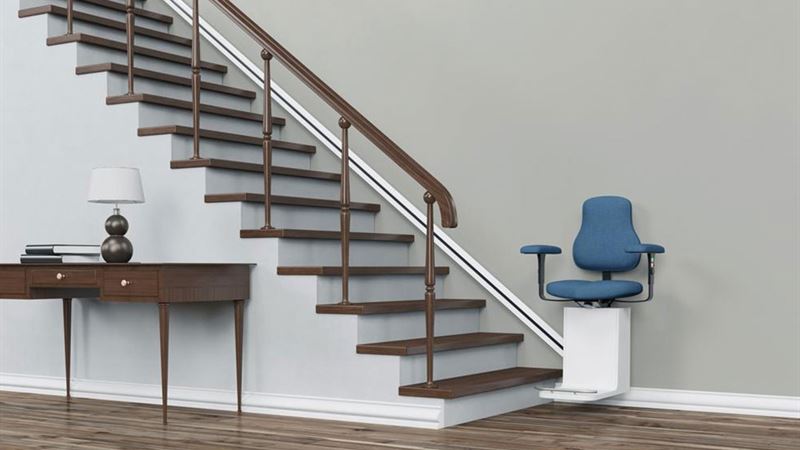
Lift chairs, historically a staple in assisted living and healthcare sectors, have evolved remarkably over the years. Once characterized by simple mechanical systems with limited adjustable features, today's lift chairs incorporate multiple motors, advanced control systems, and customizable options to provide unparalleled comfort and functionality. The transformation from basic designs to sophisticated models reflects the industry's commitment to improving the quality of life for users while also opening up lucrative markets for manufacturers and retailers.
Two-position lift chairs are the most straightforward, typically allowing the user to recline to a 15-degree angle and transition between sitting and standing positions. They are ideal for users seeking basic support without complex functionality. Three-position chairs offer a greater range of movement, including multiple recline angles—such as 15 and 45 degrees—along with the ability to sit upright or fully recline. These options cater to users who desire more versatility in adjusting their seating posture for relaxation or therapeutic purposes.
Infinite-position lift chairs take flexibility to the next level, allowing users to select any position between an upright sitting stance and a fully reclined, flat position. This range of adjustment provides personalized comfort and promotes better circulation and relaxation. The mechanics behind these chairs involve intricate motor systems, often operated through user-friendly controls that can include remote controls, touch pads, or even smartphone applications.
The industry is also witnessing a surge in online availability and smart technology integration. Consumers can now choose from a wide array of options through e-commerce platforms, where detailed specifications, user reviews, and virtual demonstrations help in making informed decisions. The integration of motors, sensors, and automation systems from leading machinery labs ensures that lift chairs are more reliable, durable, and easier to operate, contributing to market growth and customer satisfaction.
Additionally, companies are exploring materials that improve comfort and durability while maintaining affordability. The incorporation of sustainable materials and environmentally conscious manufacturing practices could become standard as consumers become more attentive to eco-friendly products. As disposable income increases and awareness about ergonomic health improves, the lift chair industry is set to expand further, offering innovative products that blend functionality, style, and sustainability.