
Top Simple Musical Instruments for Beginners to Master
Discover the most beginner-friendly musical instruments that are simple to learn yet incredibly rewarding. From the cheerful ukulele to the versatile harmonica, explore options perfect for new musicians. Learn tips on mastering these instruments quickly and start creating music today with minimal effort. Ideal for both kids and adults, these instruments help develop rhythm, timing, and musical skills effortlessly, making your first steps into music enjoyable and accessible.
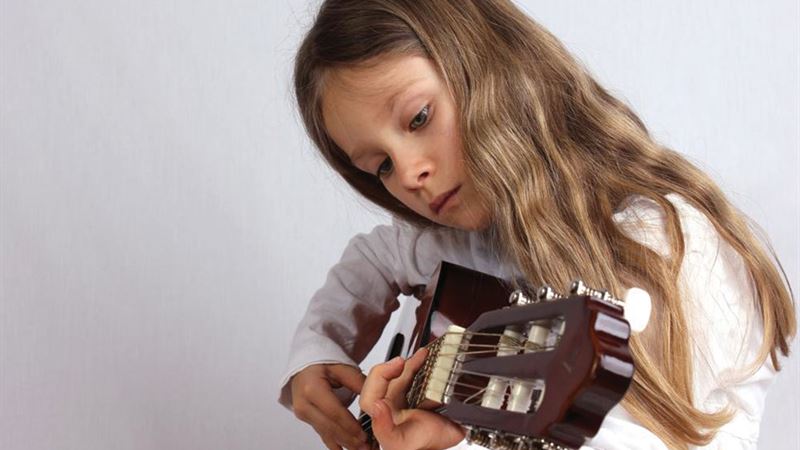
Ukulele: The Playful String Instrument
The ukulele, often affectionately called the “jumping flea,” is a delightful stringed instrument that offers an accessible entry point for aspiring musicians. Compared to a standard guitar, the ukulele is smaller, lighter, and easier to handle, making it ideal for beginners of all ages. Originating from Portugal and gaining immense popularity in Hawaii during the 19th century, this instrument features four nylon or gut strings that produce a bright, cheerful sound.
Playing the ukulele requires minimal finger strength, and its straightforward chord structures make it an excellent choice for those just starting their musical journey. Available in various sizes—including soprano, concert, tenor, and baritone—the ukulele offers versatility depending on your preferences or performance needs. Its affordability, portability, and simple tuning make it very attractive to beginners looking to learn guitar-like playing without the steep learning curve.
Many popular songs across multiple genres can be adapted for the ukulele, making it a flexible instrument. Its cheerful tone and ease of play have led to a surge in beginner tutorials and learning resources, ensuring that newcomers can quickly pick up the basics and start strumming. Additionally, learning the ukulele can lay a solid foundation for understanding basic music theory and chord progressions.
Triangle: The Simplest Percussion Instrument
The triangle stands out as one of the simplest percussion instruments—consisting of a metal rod bent into a triangle shape, which is struck with a metal beater. Despite its straightforward design, mastering the timing and rhythm when playing the triangle can be surprisingly challenging. Used extensively in classical orchestras, the triangle adds a sparkling accent to musical compositions.
Playing the triangle is almost instinctive, but achieving precise timing and consistency can take practice. It is an instrument that emphasizes rhythm, making it an important component for understanding timing and musical punctuation. Its minimal setup and ease of use make it ideal for children and beginner percussionists interested in exploring rhythm instruments.
The triangle’s simplicity does not diminish its importance; it requires a keen sense of timing to produce the desired sound effects. Being able to recognize when and how to strike the triangle can greatly enhance a learner’s sense of rhythm. As an accessory to various musical styles, from classical to folk, the triangle offers a straightforward way to start engaging with percussion instruments.
Xylophone: The Melodic Percussion Option
The xylophone, a melodic percussion instrument composed of wooden bars of varying lengths, is played by striking the bars with mallets. Its origins trace back to Southeast Asia and Africa, and it has evolved over centuries into a standard orchestral instrument. The xylophone produces a clear, harmonious tone that adds distinctive colors to a musical ensemble.
For beginners, learning to play the xylophone can be straightforward, as it involves simple hand-eye coordination and rhythmic accuracy. Its layout resembles a keyboard, making it familiar to those who already have keyboard experience. The process of mastering the xylophone involves understanding basic scales and chords, and with consistent practice, even those with no prior musical experience can improve significantly over time.
The instrument’s versatility allows it to be integrated into various musical styles, from classical to contemporary. Its bright and cheerful sound makes it suitable for educational settings, performance, and solo practice. The xylophone also helps develop a good sense of melody and pitch recognition, essential skills for progressing in musical proficiency.
Harmonica: The Pocket-Sized Music Companion
The harmonica, or mouth organ, is an ancient European instrument that gained rapid popularity after being introduced to America. Its small size and portability make it an excellent choice for beginners who want to learn music on the go. The harmonica is played by blowing air into different holes, which produces a variety of notes depending on the size and tuning of the instrument.
One of the key advantages of the harmonica is its ease of learning; basic melodies and tunes can be played with minimal instruction, making it perfect for self-study. Its simple design allows aspiring musicians to experiment freely without the need for formal lessons. While more advanced techniques and complex songs require further practice, the initial stages of harmonica playing are very accessible, even for complete beginners.
The harmonica’s versatility spans numerous genres, including blues, folk, country, and pop. Its affordability and compact size mean it can be carried everywhere, inspiring spontaneous jam sessions or practice. Moreover, playing the harmonica can develop breath control and improve musical ear training, laying the groundwork for mastery of other wind instruments.
Music is a universal language that nurtures the soul and fosters emotional expression. Choosing the right beginner instrument can make learning enjoyable and motivate continued practice. Whether it’s the cheerful ukulele, the rhythmic triangle, the harmonious xylophone, or the portable harmonica, each of these instruments offers an accessible entry point into the world of music. Starting with simple instruments not only builds foundational skills but also ignites a lifelong passion for creating melodies and rhythms. So, pick an instrument, start playing, and let your musical journey begin today.