
Comprehensive Guide to Weather Stations: Types, Instruments, and Applications
Explore the diverse world of weather stations, from traditional ship-based systems to modern ocean buoys and personal stations. Learn about the instruments that measure wind, temperature, humidity, and more, and discover how these tools are shaping weather prediction and climate science. This comprehensive guide highlights the evolution, types, and applications of weather stations used worldwide for accurate atmospheric monitoring, ensuring safer navigation, better forecasting, and deeper environmental insights.
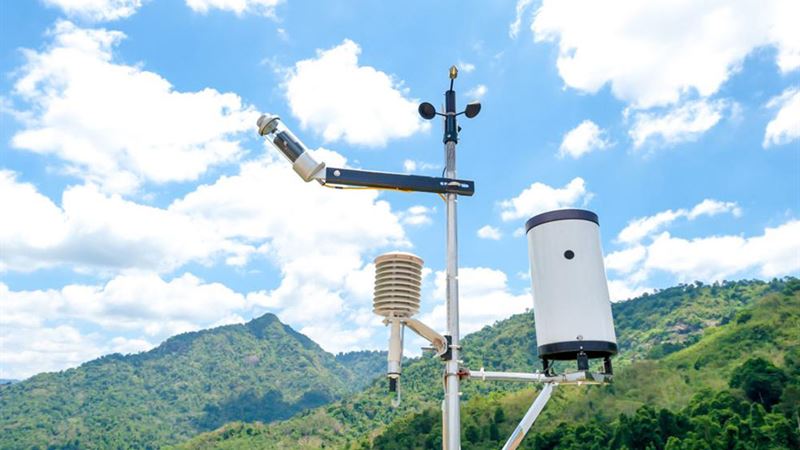
Weather stations are sophisticated setups that enable the monitoring and analysis of atmospheric conditions. These stations are equipped with an array of instruments designed to measure various weather parameters, including wind speed, temperature, humidity, precipitation, cloud height, and solar radiation. Understanding the functionalities and types of weather stations is crucial for meteorologists, environmental scientists, and even hobbyists interested in weather patterns.
At the core of most weather stations are instruments like anemometers, which accurately measure wind velocities, and thermometers that gauge ambient temperatures. Larger-scale weather stations incorporate advanced components such as ceilometers, which determine cloud heights from the surface up to the cloud base. Visibility sensors are used to measure how far one can see during foggy or rainy conditions, providing essential data for aviation and navigation. Rain gauges collect the amount of liquid precipitation that falls within a specified period, while disdrometers analyze droplet size distributions within rain, offering insights into rainfall intensity and structure. For enhanced atmospheric insights, some weather stations include specialized sensors that measure ultraviolet index, leaf temperature, soil moisture, and soil temperature disruptions.
In regions prone to snow and ice accumulation, ultrasonic snow depth sensors play a crucial role by measuring the thickness of snow and ice accumulation, especially in lakes and water bodies. These measurements are essential for understanding snowpack dynamics and predicting flooding or drought conditions. Solar radiation levels are gauged using pyranometers, which are vital for studying solar energy potential and climate modeling.
Instruments that require direct exposure to atmospheric elements are usually housed within ventilated or sheltered enclosures. Thermometers, for instance, should be protected from direct sunlight to prevent false readings, while hygrometers—used to measure humidity—must be placed away from direct wind to ensure accuracy. Proper placement of sensors is vital for obtaining reliable data, influencing weather forecasting models and climate studies.
Weather stations are classified based on their geographical deployment and operational scope. Their types include dedicated ship stations, ocean buoys, and personal weather stations, each serving unique monitoring purposes and environments.
Dedicated ships emerged during World War II and were officially introduced by the International Civil Aviation Organization (ICAO). In 1948, thirteen such vessels were deployed across various oceans to gather meteorological data crucial for navigation and aviation safety. These ships were equipped with advanced sensors and communication systems to relay weather information in real-time. Over time, the deployment of dedicated ships was phased out in favor of more efficient and scalable technologies like satellites and ocean buoys.
Ocean buoys, also known as weather or dedicated buoys, are floating platforms equipped with multiple sensors to collect atmospheric and oceanographic data. These buoys are deployed both as moored devices anchored to the seabed and as drifting units that move with ocean currents. Moored buoys, which range in size from 1.5 to 12 meters, are typically made of durable materials like nylon chains or polypropylene and are anchored securely to prevent drifting. Drifting buoys, on the other hand, move with currents, providing broad coverage over vast ocean areas. These buoys transmit real-time data about sea surface temperatures, wave heights, atmospheric pressure, and wind conditions, making them indispensable for weather forecasting, tsunami detection, and climate research. Compared to dedicated ships, ocean buoys provide more consistent and less error-prone data, greatly enhancing predictive models.
Personal weather stations are compact and user-friendly devices operated by individuals, groups, or organizations interested in local weather phenomena. These stations come equipped with digital consoles that display live weather parameters such as temperature, humidity, wind speed, and barometric pressure. Many personal weather stations are interfaced with computers or smartphones, allowing users to monitor weather conditions remotely and maintain long-term records. These stations are valuable for gardening, outdoor planning, educational purposes, and community weather monitoring initiatives. Leveraging affordable yet accurate sensors, personal weather stations contribute to crowdsourced weather data collection, enriching larger meteorological databases.
Overall, weather stations have evolved significantly from basic thermometer setups to complex networks of sensors and data collection devices. Their applications span from scientific research and climate monitoring to everyday weather forecasting and safety planning. Advances in sensor technologies, data transmission, and automation continue to enhance the precision and scope of weather stations, making them vital tools in our understanding and management of the Earth's dynamic atmosphere.