
Comprehensive Guide to Senior Dental Medicare: Choosing the Best Providers and Protecting Your Smile
This comprehensive guide offers seniors and caregivers an in-depth overview of common dental health issues, prevention strategies, and top Medicare providers. Learn how to protect your smile and overall health through effective dental care and smart insurance choices, ensuring a healthier, more confident retirement.
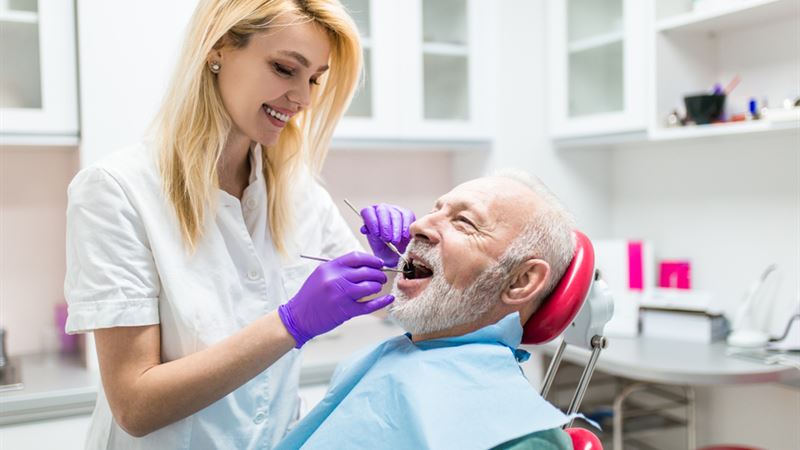
Maintaining dental health is vital at any age, but for seniors, it becomes even more critical due to the increased risk of dental issues associated with aging. This extensive guide explores common dental problems faced by seniors, effective prevention strategies, the importance of dental care in promoting overall health, and how to select the best senior dental Medicare options. Whether you’re a senior yourself or a caregiver, understanding these key aspects can help ensure a healthier, more confident smile well into later years.
As individuals age, their dental health can often deteriorate if not properly managed. Many seniors experience various dental problems, often inheriting challenges from years of exposure to environmental factors, health conditions, or lifestyle choices. Common issues include tooth loss, periodontal disease, cavities, and root decay, all of which can significantly impact quality of life, nutrition, and overall well-being. Fortunately, advances in dental care and insurance options now make it easier for seniors to access affordable, comprehensive dental services tailored to their unique needs.
This guide aims to provide a detailed overview of the prevalent dental issues confronting seniors, practical prevention tips, and insights into how dental insurance works for this demographic. Additionally, we will highlight leading dental service providers that cater specifically to seniors under Medicare, ensuring that your dental health remains protected and your smile stays vibrant throughout your retirement years.
Understanding Common Dental Problems in Seniors
As we age, the likelihood of encountering dental issues increases due to various physiological and lifestyle factors. Understanding these issues is the first step toward effective prevention and treatment.
- Tooth Loss: Tooth loss is a prevalent concern among seniors, often resulting from untreated cavities, periodontal disease, or trauma. Aging teeth become more prone to decay and breakage, leading many to seek dentures, dental bridges, or implants to restore function and aesthetics. The costs associated with these procedures can be substantial, emphasizing the importance of proactive dental care.
- Gum Disease (Periodontal Disease): This bacterial infection affects the tissues supporting the teeth, leading to gum recession, bone loss, and eventual tooth loss if left untreated. Factors such as poor oral hygiene, smoking, diabetes, and certain medications increase susceptibility. Seniors may also experience inflammation, dry mouth, or oral thrush, adding to the complexity of managing oral health.
- Cavities and Root Canals: These issues tend to become more frequent with age due to cumulative exposure to sugary diets, reduced saliva flow, and enamel wear. Cavities often occur in areas where brushing might be difficult, and untreated cavities can progress to severe infections requiring root canal treatments or extractions.
Effective Prevention Techniques for Senior Dental Health
Prevention is always better than cure. Seniors can take several simple yet effective steps to minimize the risk of dental problems and maintain healthy teeth and gums throughout their lives.
- Establish a consistent oral hygiene routine, including brushing twice daily with a soft-bristled toothbrush, flossing, and rinsing with an antimicrobial mouthwash to reduce plaque buildup.
- Use specialized toothbrushes with extra-soft bristles to minimize pressure on sensitive or receding gums, making daily cleaning less abrasive.
- Stay vigilant for warning signs such as persistent pain, tooth sensitivity, mouth sores, swelling, loose teeth, or unusual bumps. Early detection facilitates less invasive and more affordable treatment.
- Maintain all dental appliances meticulously, including dentures, bridges, and implants, to prevent infections and ensure proper fit and function.
- Schedule regular dental visits—at least twice a year—for professional cleaning, examination, and early intervention, enhancing overall oral health and preventing more serious conditions.
The Significance of Dental Care in Seniors’ Overall Health
Dental health extends beyond a bright smile. It plays a crucial role in maintaining overall health, especially among seniors, as poor oral hygiene is linked to several systemic conditions.
- Heart Disease: Scientific studies have demonstrated a correlation between gum disease and cardiovascular ailments. Chronic periodontal infections can lead to inflammation and contribute to heart attacks and strokes. Good oral hygiene, therefore, not only preserves your smile but also supports heart health.
- Pneumonia: Bacteria residing in the mouth can be inhaled into the lungs, causing respiratory infections like pneumonia. Maintaining oral cleanliness reduces bacterial loads and lowers this risk, which is particularly vital for seniors with weakened immune systems.
- Diabetes: There’s a bidirectional relationship between diabetes and gum disease. Poor gum health can impair insulin sensitivity, making blood sugar management more difficult, while diabetes can exacerbate periodontal issues. Effective dental care can help control both conditions.
- Darkened or Stained Teeth: Aging and lifestyle factors such as smoking and dietary habits can cause dentin discoloration. Proper dental maintenance can slow the staining process, preserving natural whiteness longer.
- Root Decay: The recession of gum tissue exposes the tooth roots, which lack enamel protective layers. This exposure makes roots more prone to acid erosion and decay, necessitating vigilant oral hygiene and regular dental checkups.
How Dental Insurance Supports Senior Oral Healthcare
Understanding how dental insurance functions for seniors ensures access to necessary services without unforeseen expenses. Medicare provides some coverage, but supplemental plans often address gaps.
- Premiums and Enrollment: Seniors typically pay monthly premiums to access dental coverage. Enrollment periods may vary, and choosing the right plan depends on individual needs.
- Waiting Periods: Coverage for preventive services can often begin immediately, while more extensive procedures might require waiting periods ranging from six months to a year.
- Coverage Limits: Annual benefits caps determine how much can be reimbursed each year. Understanding these limits helps in planning dental expenses.
- In-Network vs. Out-of-Network: Choosing in-network providers often offers cost savings, but some plans provide flexibility to see out-of-network dentists, which can be beneficial depending on location and preference.
Top Senior Dental Medicare Providers and Options
When selecting dental insurance, it’s essential to consider providers with a strong reputation for catering to seniors' unique needs.
- Original Medicare (Part A & B): While traditional Medicare covers some emergency and hospitalization-related dental procedures, it often does not include routine dental care. However, it can be supplemented with additional plans.
- Delta Dental Insurance: Known for its extensive network and specialized senior plans, Delta Dental offers diverse coverage options suitable for various needs and budgets, including optional add-ons for preventive and restorative services.
- Medicaid: For low-income seniors, Medicaid offers basic dental coverage, including cleanings, extractions, and emergency treatments, making dental care accessible for financially vulnerable populations.
- ManhattanLife Assurance: This provider offers comprehensive dental plans tailored for seniors without restrictions on provider choice. It covers preventive services and basic procedures, with no waiting periods to help seniors access timely care.
Taking proactive steps toward maintaining dental health and choosing the right Medicare plan can significantly improve quality of life, ensuring seniors stay confident and healthy. Regular dental checkups, proper hygiene, and suitable insurance coverage are key to a radiant smile at any age.