
Comprehensive Guide to Texas Medicare Dental Insurance Plans for Seniors
Explore the comprehensive options available for Medicare dental insurance in Texas tailored for seniors. This detailed guide highlights plan types, coverage specifics, key differences, and tips to select the best plan for maintaining healthy teeth and gums while managing costs efficiently.
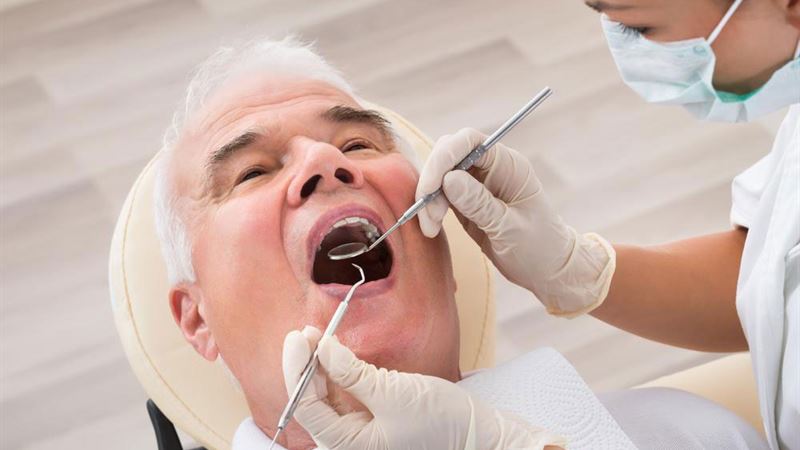
Navigating dental coverage options under Medicare in Texas can be complex, but understanding the key features helps seniors make informed choices. Dental Medicare plans in Texas vary significantly in coverage, costs, and provider networks. These plans typically cover preventive services such as examinations, cleanings, and X-rays. However, coverage for procedures like fillings, root canals, or dental implants may differ based on the plan selected. Some plans have annual and lifetime benefit limits, waiting periods, and specific rules about emergency and elective treatments.
For a fixed monthly premium, seniors in Texas can access benefits like routine checkups, professional cleanings, oral examinations, and diagnostic X-rays. While many Medicare dental plans help reduce out-of-pocket expenses for basic care, it's essential to recognize that some plans require beneficiaries to pay upfront and then seek reimbursement, whereas others directly cover services through in-network providers.
Understanding the distinction between the two main types of dental insurance plans—Indemnity and managed-care—is crucial for choosing the right coverage. Indemnity plans offer the flexibility to see any licensed dentist and often reimburse the costs after services are paid, making them suitable for seniors who prefer choice and are comfortable handling payments upfront. Managed-care plans, on the other hand, require seniors to use a network of preferred providers, often resulting in lower out-of-pocket costs and simplified billing procedures since providers bill the insurance directly.
Both plans have advantages and limitations. Indemnity plans provide broader provider choices but may involve higher upfront costs, while managed-care plans can save money but restrict access to in-network services. Texas seniors should evaluate their healthcare needs, financial situations, and preferred provider flexibility when selecting a plan. Consulting with insurance advisors or utilizing state-sponsored resources can help in making well-informed decisions.
Ultimately, choosing the right dental Medicare plan in Texas involves reviewing coverage details, understanding cost-sharing frameworks, examining provider networks, and considering eligibility for additional benefits like dental implants or surgery. Proactively comparing plans ensures that seniors can maintain optimal oral health without overextending their budgets, ensuring peace of mind and better quality of life.