
Comprehensive Guide to Managing Eczema Effectively
This comprehensive guide provides in-depth information on eczema, including causes, symptoms, and effective management strategies. Learn about natural remedies, lifestyle tips, and medical treatments to control flare-ups and improve skin health. Ideal for those seeking lasting relief from this chronic condition, the article emphasizes personalized care and proactive techniques for healthier skin and better quality of life.
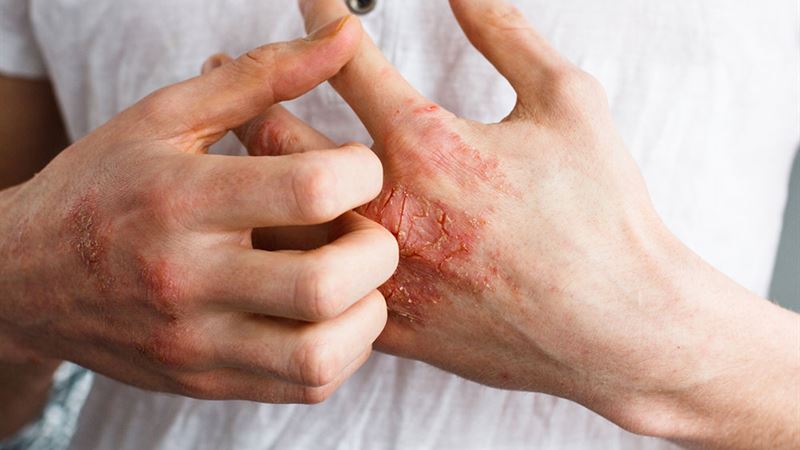
Understanding what triggers eczema and how to manage its symptoms is crucial for those affected by this chronic skin condition. Eczema, also known as dermatitis, manifests through various signs and symptoms that can vary depending on age, environment, and individual health. While there is currently no definitive cure for eczema, a range of treatments and home remedies can significantly alleviate discomfort and improve skin health. This guide aims to provide in-depth information about eczema, its causes, symptoms, and the most effective management strategies to help sufferers lead more comfortable lives.
Understanding Eczema: Causes and Triggers
Eczema is a complex condition influenced by genetic, environmental, and immune system factors. It primarily results from an overactive immune response to irritants, allergens, or environmental triggers. Common triggers include allergens such as pollen, pet dander, dust mites, and certain foods. External factors like harsh soaps, fragrances, synthetic fabrics, and extreme weather conditions—especially cold or dry air—can exacerbate symptoms. Stress and emotional distress are also known to trigger flare-ups, while hormonal changes can influence severity, particularly in women. Identifying personal triggers through careful observation and maintaining an eczema diary can significantly aid in managing the condition.Recognizing the Symptoms of Eczema
The presentation of eczema varies widely among individuals and can evolve over time. Typical symptoms include:- Persistent dry, rough, and scaly patches that may crack and bleed
- Red or brownish patches often appearing on the face, hands, feet, wrists, neck, or scalp
- Small bumps that may ooze or form crusts
- Swelling and inflammation that heighten sensitivity and discomfort
- Intense itching, often worsening at night, leading to scratching and further skin damage
- Localized rashes, particularly in areas prone to friction or exposure
- Skin discoloration due to prolonged inflammation or scratching
Effective Management and Treatment Strategies for Eczema
Since eczema currently has no cure, the primary goal of treatment is symptom relief and skin restoration. Treatment plans are tailored based on age, severity, and specific triggers. Managing eczema involves both medical interventions and lifestyle adjustments.Home Remedies and Lifestyle Modifications
Home-based approaches can play a vital role in controlling eczema symptoms:- Moisturize Regularly with Barrier Repair Creams: Use thick, fragrance-free emollients to maintain skin hydration and restore the skin’s protective barrier. Apply moisturizers immediately after bathing to lock in moisture.
- Oatmeal Baths: Colloidal oatmeal soothes inflamed skin, reduces itchiness, and provides relief. Add a cup of colloidal oatmeal to lukewarm bathwater and soak for 15-20 minutes.
- Dietary Adjustments: Incorporate anti-inflammatory foods such as turmeric, omega-3-rich fish, and flaxseeds. Avoid known food triggers that worsen your condition.
- Natural Oils and Topical Applications: Tea tree oil, coconut oil, and shea butter possess anti-inflammatory and antimicrobial properties. Always perform patch tests before extensive use.
- Humidify Indoor Environments: Use humidifiers to alleviate dry indoor air, especially during winter months.
- Stress Management Techniques: Practice yoga, meditation, or deep breathing exercises to reduce stress, which can trigger flare-ups.
- Avoid Harsh Soaps and Detergents: Choose gentle, fragrance-free cleansers and detergents that won’t irritate sensitive skin.
- Wear Breathable Clothing: Cotton and natural fabrics minimize skin irritation and allow better airflow.
Medical Treatments and Therapies
For persistent or severe eczema, healthcare professionals may prescribe various medications to manage symptoms effectively:- Topical Corticosteroids: These anti-inflammatory ointments or creams help reduce redness, swelling, and itching, especially during flare-ups.
- Calcineurin Inhibitors: Tacrolimus and pimecrolimus suppress immune responses, decreasing inflammation without the side effects associated with steroids, suitable for sensitive areas like the face.
- Antihistamines: Oral antihistamines can relieve itching and aid better sleep by reducing allergic responses.
- Phototherapy: Controlled exposure to ultraviolet light can modulate immune activity in skin cells, providing relief for chronic eczema cases.
- Antibiotics and Antifungal Agents: Used if secondary bacterial or fungal infections are present, as they often complicate eczema.
- Systemic Medications: In severe cases, corticosteroids or immunosuppressants may be prescribed, always under strict medical supervision due to potential side effects.
When to Consult a Specialist
If eczema symptoms persist despite home treatments, worsen, or lead to skin infections, it’s essential to see a dermatologist. They can perform skin tests to identify specific allergens, recommend advanced therapies, and develop a comprehensive management plan tailored to your needs. Early intervention can prevent long-term skin damage and help maintain quality of life.Conclusion: Living with Eczema
While eczema is a chronic condition with no definitive cure, proper management, lifestyle modifications, and medical treatments can effectively control symptoms. Awareness of triggers, diligent skin care routines, and seeking professional guidance are crucial components of successful eczema management. With the right approach, individuals affected by eczema can significantly reduce flare-ups and enjoy healthier, more comfortable skin.