
Comprehensive Guide to Understanding and Managing Cholesterol Levels
This comprehensive guide explores the differences between LDL and HDL cholesterol, the significance of triglycerides, and essential tips for maintaining healthy cholesterol levels. Learn about risk factors, screening recommendations, and lifestyle strategies to prevent heart disease. The article emphasizes the importance of diet, exercise, and medical advice in managing cholesterol effectively and reducing cardiovascular risks for a healthier life.
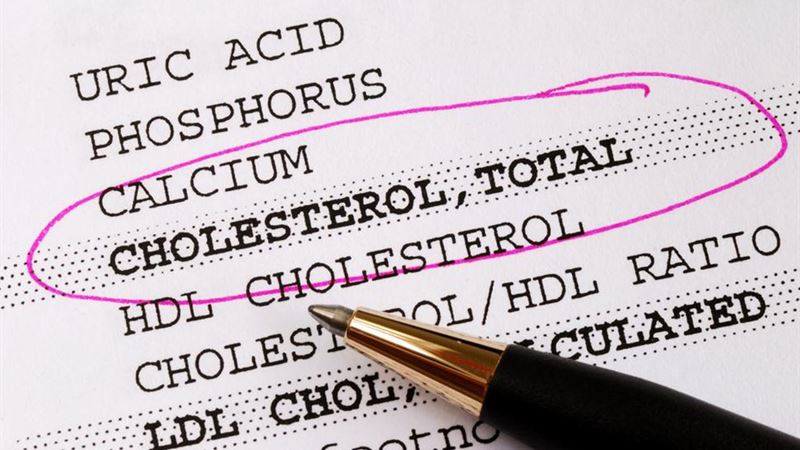
Cholesterol, a waxy substance present in our blood, plays a vital role in maintaining healthy cell membranes and hormone production. However, an imbalance in cholesterol levels—particularly high levels—can pose serious health risks, especially related to heart disease. Understanding the distinctions between different types of cholesterol and how they impact your health is crucial for prevention and management.LDL cholesterol, often called the “bad” cholesterol, can accumulate within the walls of blood vessels, forming plaques that hinder blood flow and raise the risk of cardiovascular events such as heart attacks and strokes. Conversely, HDL cholesterol is recognized as the “good” cholesterol because it helps remove LDL from the bloodstream, transporting excess cholesterol back to the liver for processing and elimination. Maintaining a balanced ratio between these two types is key to cardiovascular health.Triglycerides are another important fatty substance found in your blood. They represent stored energy from the fats and carbohydrates you consume. Elevated triglyceride levels, particularly when combined with low HDL, significantly increase the likelihood of developing atherosclerosis and other heart-related conditions. It’s essential to monitor and control these levels to reduce health risks.Research indicates that cholesterol levels tend to rise after individuals reach their early twenties. Because of this, it is strongly recommended that adults undergo regular blood testing to keep track of their cholesterol profile. Ideally, such tests should be performed every five years, but individuals with additional risk factors might require more frequent assessments. Men are generally at a higher risk of developing issues related to high cholesterol, while women, especially post-menopause, may experience increased vulnerability due to hormonal changes.What Constitutes a Healthy Cholesterol Level?
To assess your cardiovascular risk, healthcare professionals typically order a lipid profile test, which measures total cholesterol, LDL, HDL, and triglycerides. This test is conducted after fasting for approximately 10 hours to ensure accuracy. The results help determine whether you are within a healthy range or at risk for heart disease.For adults, a total cholesterol level below 200 mg/dL is considered optimal. Levels exceeding 240 mg/dL are classified as high and indicate a greater chance of cardiovascular problems. For children, especially those with a family history of metabolic disorders or diabetes, systematic screening between ages 2 and 8, and again between 12 and 16, is recommended. Maintaining a healthy diet and active lifestyle from a young age significantly lowers the risk of developing unhealthy cholesterol levels later in life. In children, a total cholesterol level around 170 mg/dL is deemed normal.Factors Affecting LDL Cholesterol Levels
Achieving and maintaining low levels of LDL cholesterol can be challenging due to various factors. Understanding these can help you make better lifestyle choices and seek appropriate medical interventions.- Age: As people age, especially beyond 45 for men and 55 for women, managing LDL levels becomes increasingly difficult due to changes in metabolism and hormonal shifts.- Hypertension: Elevated blood pressure of 140/90 mmHg or higher can complicate efforts to keep LDL cholesterol in check. Certain antihypertensive medications might also influence lipid profiles.- Family History: A genetic predisposition significantly raises the risk of high cholesterol and cardiovascular diseases. If your relatives have suffered from heart conditions or elevated cholesterol, regular monitoring is advisable.- Low HDL: A HDL cholesterol level below 40 mg/dL hampers the body's ability to clear LDL, making it harder to achieve a healthy overall cholesterol profile.- Smoking: Tobacco use has detrimental effects on lipid metabolism, exacerbating high LDL levels and contributing to vascular damage.Strategies to Reduce Cholesterol Levels Effectively
Mitigating high cholesterol involves a combination of lifestyle modifications, dietary adjustments, and sometimes medication as prescribed by your healthcare provider. Persistence and consistency are vital to see tangible improvements.- Adopt a Heart-Healthy Diet: Incorporate plenty of vegetables, fresh fruits, whole grains, nuts, and seeds into your daily meals. Limit consumption of refined grains, processed foods, and sugary snacks, which can elevate triglycerides and LDL levels.- Engage in Regular Physical Activity: Aim for at least 150 minutes of moderate-intensity exercise like brisk walking, cycling, or swimming per week. Regular activity helps burn excess fats and boosts HDL levels.- Emphasize Healthy Fats: Prioritize unsaturated fats found in olive oil, avocados, and nuts. Avoid trans fats and limit saturated fats present in fatty cuts of meat, full-fat dairy products, and fried foods.- Limit Intake of High-Cholesterol Foods: Reduce consumption of foods rich in cholesterol, such as egg yolks, shellfish, and organ meats. While dietary cholesterol's impact varies among individuals, moderation is key.- Maintain Healthy Body Weight: Excess weight contributes to higher LDL and triglyceride levels. Combining dietary changes with physical activity supports weight management and improves overall lipid profiles.- Avoid Tobacco and Limit Alcohol Consumption: Quitting smoking has immediate and long-term benefits for cardiovascular health. Limit alcohol intake, as excessive consumption can raise triglycerides.- Medical Intervention When Necessary: In some cases, lifestyle changes alone are insufficient. Your doctor might prescribe statins or other lipid-lowering medications, especially if you have persistent high LDL or other risk factors. Always adhere to prescribed treatments and continue healthy habits alongside medication.
To assess your cardiovascular risk, healthcare professionals typically order a lipid profile test, which measures total cholesterol, LDL, HDL, and triglycerides. This test is conducted after fasting for approximately 10 hours to ensure accuracy. The results help determine whether you are within a healthy range or at risk for heart disease.For adults, a total cholesterol level below 200 mg/dL is considered optimal. Levels exceeding 240 mg/dL are classified as high and indicate a greater chance of cardiovascular problems. For children, especially those with a family history of metabolic disorders or diabetes, systematic screening between ages 2 and 8, and again between 12 and 16, is recommended. Maintaining a healthy diet and active lifestyle from a young age significantly lowers the risk of developing unhealthy cholesterol levels later in life. In children, a total cholesterol level around 170 mg/dL is deemed normal.Factors Affecting LDL Cholesterol Levels
Achieving and maintaining low levels of LDL cholesterol can be challenging due to various factors. Understanding these can help you make better lifestyle choices and seek appropriate medical interventions.- Age: As people age, especially beyond 45 for men and 55 for women, managing LDL levels becomes increasingly difficult due to changes in metabolism and hormonal shifts.- Hypertension: Elevated blood pressure of 140/90 mmHg or higher can complicate efforts to keep LDL cholesterol in check. Certain antihypertensive medications might also influence lipid profiles.- Family History: A genetic predisposition significantly raises the risk of high cholesterol and cardiovascular diseases. If your relatives have suffered from heart conditions or elevated cholesterol, regular monitoring is advisable.- Low HDL: A HDL cholesterol level below 40 mg/dL hampers the body's ability to clear LDL, making it harder to achieve a healthy overall cholesterol profile.- Smoking: Tobacco use has detrimental effects on lipid metabolism, exacerbating high LDL levels and contributing to vascular damage.Strategies to Reduce Cholesterol Levels Effectively
Mitigating high cholesterol involves a combination of lifestyle modifications, dietary adjustments, and sometimes medication as prescribed by your healthcare provider. Persistence and consistency are vital to see tangible improvements.- Adopt a Heart-Healthy Diet: Incorporate plenty of vegetables, fresh fruits, whole grains, nuts, and seeds into your daily meals. Limit consumption of refined grains, processed foods, and sugary snacks, which can elevate triglycerides and LDL levels.- Engage in Regular Physical Activity: Aim for at least 150 minutes of moderate-intensity exercise like brisk walking, cycling, or swimming per week. Regular activity helps burn excess fats and boosts HDL levels.- Emphasize Healthy Fats: Prioritize unsaturated fats found in olive oil, avocados, and nuts. Avoid trans fats and limit saturated fats present in fatty cuts of meat, full-fat dairy products, and fried foods.- Limit Intake of High-Cholesterol Foods: Reduce consumption of foods rich in cholesterol, such as egg yolks, shellfish, and organ meats. While dietary cholesterol's impact varies among individuals, moderation is key.- Maintain Healthy Body Weight: Excess weight contributes to higher LDL and triglyceride levels. Combining dietary changes with physical activity supports weight management and improves overall lipid profiles.- Avoid Tobacco and Limit Alcohol Consumption: Quitting smoking has immediate and long-term benefits for cardiovascular health. Limit alcohol intake, as excessive consumption can raise triglycerides.- Medical Intervention When Necessary: In some cases, lifestyle changes alone are insufficient. Your doctor might prescribe statins or other lipid-lowering medications, especially if you have persistent high LDL or other risk factors. Always adhere to prescribed treatments and continue healthy habits alongside medication.