
Effective Strategies for Managing Cholesterol and Promoting Heart Health
Learn comprehensive and natural strategies to regulate cholesterol levels effectively. This detailed guide covers the importance of balancing LDL and HDL, common causes of high cholesterol, and practical lifestyle modifications like diet, exercise, and home remedies to promote heart health and prevent cardiovascular diseases.
Cholesterol levels in the human body are a crucial factor influencing overall cardiovascular health. Cholesterol, a waxy fat-like substance, naturally occurs in your blood and is essential for constructing cell membranes, producing hormones, and synthesizing vitamin D. However, an imbalance—particularly elevated levels of certain types—can pose serious health risks. Cholesterol is generally categorized into two types: low-density lipoprotein (LDL), often referred to as 'bad' cholesterol, and high-density lipoprotein (HDL), known as 'good' cholesterol. Maintaining a healthy balance between these two is vital for optimal bodily function and disease prevention.
- LDL Cholesterol (Bad Cholesterol): This form of cholesterol primarily deposits fatty substances within the walls of your arteries. Over time, excessive LDL buildup causes atherosclerosis—a narrowing and hardening of the arteries—which significantly increases the risk of heart attacks, strokes, peripheral artery disease, and other cardiovascular conditions. High LDL levels often result from dietary habits, sedentary lifestyles, genetic predisposition, and other risk factors. Elevated LDL can impair blood flow, leading to potential blockages and critical health events.
HDL Cholesterol (Good Cholesterol): HDL functions like a scavenger within your bloodstream. It helps remove excess cholesterol, particularly LDL, from your arteries and transports it back to the liver for processing and elimination. High levels of HDL are associated with a reduced risk of cardiovascular diseases because they facilitate the clearance of fats that could otherwise clog arteries. Achieving optimal HDL levels is equally important as controlling LDL to ensure the smooth operation of vital organs like the heart and brain.
Understanding the balance between LDL and HDL is fundamental to controlling overall cholesterol levels and protecting against heart disease. While your body naturally produces cholesterol via the liver, lifestyle choices significantly influence its levels. Many factors contribute to unhealthy cholesterol profiles, including diet, physical activity, genetic background, and environmental exposures. Managing these factors through informed choices and lifestyle modifications can lead to substantial improvements in heart health.
Common Causes of Elevated Cholesterol Levels
Unhealthy lifestyle choices are often the root cause of high cholesterol. Recognizing these can empower you to make meaningful changes. Some of the primary contributors include:
- Dietary Habits: Consuming foods high in saturated fats, trans fats, and cholesterol—such as fried foods, processed snacks, red meats, and full-fat dairy products—significantly raises LDL levels. Processed foods often contain unhealthy fats that elevate bad cholesterol and diminish good cholesterol.
- Lack of Physical Exercise: Sedentary lifestyles lead to weight gain and decreased HDL levels. Regular physical activity helps increase HDL cholesterol and reduces LDL, promoting overall lipid balance.
- Obesity and Excess Weight: Being overweight or obese contributes to higher LDL cholesterol and decreased HDL. Excess fat accumulation, especially around the abdomen, is strongly linked to adverse lipid profiles.
- Smoking and Tobacco Exposure: Smoking damages blood vessels and lowers HDL cholesterol, worsening the risk of heart disease. Second-hand smoke also contributes to these detrimental effects.
- Genetic Factors: Some individuals inherit genes that predispose them to dyslipidemia. Familial hypercholesterolemia, for example, is a genetic disorder characterized by high LDL levels from a young age.
Natural Remedies and Lifestyle Adjustments for Cholesterol Management
Adopting a holistic approach to health involves integrating natural remedies and making sustainable lifestyle shifts. These strategies can effectively help maintain healthy cholesterol levels and traditional medical interventions if necessary.
Incorporating Home Remedies
Coriander Seeds Drink: Boil a teaspoon of coriander seed powder in a glass of water, strain to remove residues, and drink twice daily. Regular consumption can help reduce LDL cholesterol, thanks to coriander's natural hypolipidemic properties. This simple preparation is a time-tested method for supporting heart health through dietary supplements.
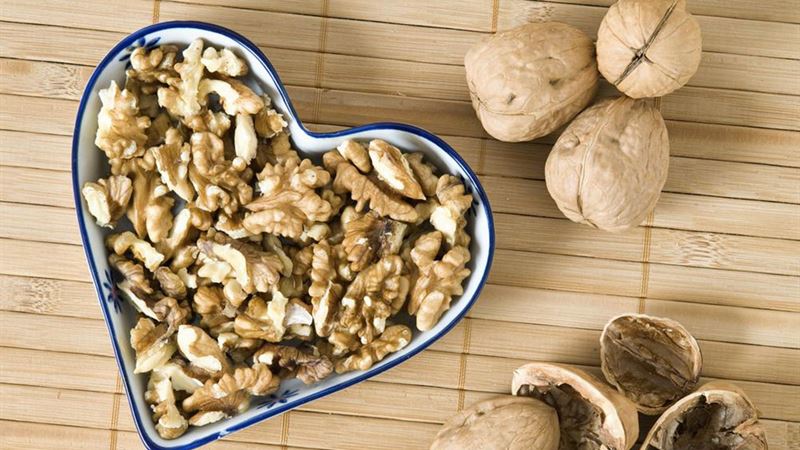
Nuts: A diverse range of nuts such as walnuts, almonds, pistachios, hazelnuts, and peanuts are rich in plant sterols, fiber, and healthy fats. Regular intake can lower LDL levels and boost HDL. These nuts can be eaten as snacks or added to meals without complex preparations, making them a convenient dietary addition.
Oatmeal: Starting your day with a bowl of warm oatmeal is an excellent way to improve your lipid profile. Rich in soluble fiber, oats aid in binding cholesterol in the digestive system, reducing its absorption and helping to lower LDL levels naturally.
Gooseberry (Amla): Known for its potent antioxidant properties, gooseberry can be consumed as a powder mixed in warm water daily. Its natural hypolipidemic agents support the reduction of lipid concentrations in the blood, contributing to healthier cholesterol levels.
Additional Lifestyle Modifications
Beyond dietary adjustments, regular physical activity, weight management, stress reduction, and avoidance of smoking are crucial for controlling cholesterol. Engaging in aerobic exercises such as walking, cycling, swimming, or jogging at least 150 minutes per week significantly elevates HDL cholesterol levels and enhances overall cardiovascular health.
Maintaining a balanced diet rich in fruits, vegetables, whole grains, lean proteins, and healthy fats is essential. Limiting intake of processed foods, refined sugars, and trans fats complements these efforts.
Monitoring and Maintaining Healthy Cholesterol Levels
Periodic cholesterol testing is vital to track progress and adjust strategies accordingly. Creating a personalized cholesterol level chart serves as a visual guide for setting realistic goals and monitoring fluctuations over time. Consistent evaluation helps identify patterns and encourages adherence to health plans.
For some individuals, medication prescribed by healthcare professionals may be necessary, especially if lifestyle modifications alone do not achieve target cholesterol levels. Combining natural remedies, lifestyle evolution, and medical therapy offers a comprehensive approach to heart health management.
In conclusion, controlling cholesterol is a multifaceted process that involves awareness, dietary choices, regular exercise, and routine monitoring. Embracing these steps can significantly reduce the risks associated with high cholesterol and pave the way for a healthier, longer life.