
Essential Guide to Botox Treatments: What You Need to Know Before Making a Decision
This comprehensive guide explores everything about Botox treatments, from how they work and medical applications to procedure steps, risks, costs, and essential pre-treatment considerations. Proper education helps you decide if Botox is the right choice for your needs, ensuring safe and effective results through expert consultation and understanding potential side effects and expenses.
Embarking on a journey to improve your appearance or address medical concerns with Botox requires comprehensive understanding. This detailed guide aims to shed light on the various aspects of Botox treatments, including how they work, costs, potential risks, and the essential considerations before deciding to undergo the procedure. Whether you're considering Botox for aesthetic reasons or medical purposes, educating yourself thoroughly is the first step towards making an informed choice.
Understanding the Mechanism of Botox
- Botox, scientifically known as botulinum toxin, functions by blocking nerve signals to targeted muscles. This interruption prevents muscle contractions, leading to relaxation of wrinkles and fine lines, resulting in smoother, younger-looking skin.
- While many associate Botox exclusively with cosmetic enhancements, its applications extend far beyond beauty. It is widely used in various medical treatments to alleviate conditions caused by muscle overactivity or nerve issues.
- One of the most prevalent non-cosmetic uses of Botox is in the treatment of severe sweating, particularly in the underarm region. Injecting Botox into sweat glands can significantly reduce perspiration and body odor for several months—making it a life-changing solution for individuals suffering from hyperhidrosis.
Medical and Cosmetic Uses of Botox
- Cosmetically, Botox effectively diminishes facial wrinkles, including frown lines, forehead lines, and crow’s feet, offering a more youthful appearance.
- Medically, Botox provides relief from chronic migraines by preventing tension muscle contractions around the head and neck.
- It is also used to treat overactive bladder, reducing urgency and frequency of urination.
- Additionally, Botox helps in managing muscle spasms related to conditions like cervical dystonia and spasticity.
The Botox Procedure: Step by Step
- Your Botox journey begins with an initial consultation. During this appointment, a qualified specialist will assess your needs, discuss your expectations, and evaluate whether you are a suitable candidate.
- Prior to the treatment, it is advisable to avoid alcohol for at least one week to minimize bruising. Also, refrain from taking anti-inflammatory drugs such as aspirin or ibuprofen for at least two weeks before the procedure, as these can increase bleeding risk.
- The actual Botox injection is quick, typically taking less than 30 minutes, and generally painless. No anesthesia is necessary, though topical numbing agents can be used if you prefer.
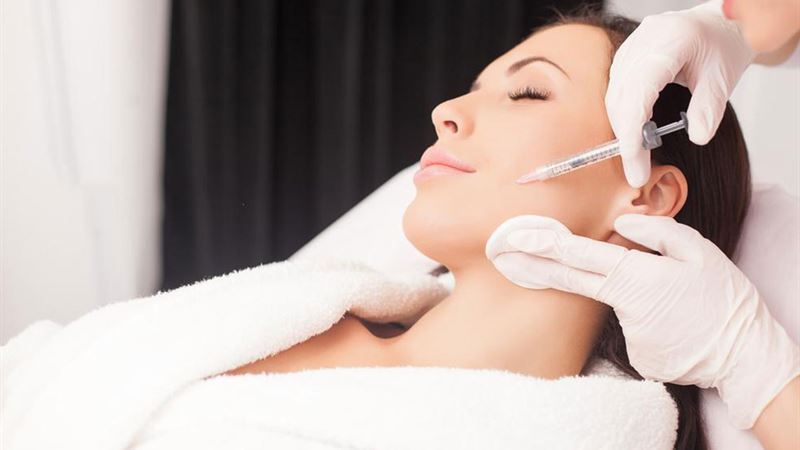
- During the procedure, the clinician injects small doses of botulinum toxin into specific facial muscles or other targeted areas using a fine needle. Precision is key to achieving natural-looking results.
- Generally, within 3 to 7 days, you will notice the full effects of the treatment. Wrinkles will soften, and the skin will appear smoother and more refreshed.
- The rejuvenating effects are temporary, usually lasting between 4 to 6 months. Over time, muscles regain their movement, and wrinkles may gradually reappear, although often in a milder form.
Potential Risks and Side Effects
- Understanding the risks involved with Botox is crucial to making an informed decision. While generally safe when administered by experienced professionals, it does carry some potential adverse effects.
- Pregnant women, nursing mothers, and individuals with severe neurological or muscular conditions should avoid Botox treatments due to safety concerns.
- Not all wrinkles respond equally to Botox, and a thorough consultation with your provider is essential to set realistic expectations.
- Common temporary side effects include minor bruising, swelling, or redness at the injection site, which typically resolve within days to weeks.
- Some patients may experience eyelid drooping or asymmetry, but these effects are usually reversible within a few weeks.
- After treatment, it is important not to touch or massage the treated areas for at least 12 hours to prevent unwanted diffusion of the toxin.
Understanding the Cost of Botox
- The price of Botox varies based on several factors, such as geographic location, the practitioner's expertise, and the number of areas treated.
- Cost is often calculated per unit of Botox, with the average being between $9 and $20 per unit in most regions. Some clinics charge by area, but per-unit pricing generally offers more transparency and fairness.
- Common treatment areas include the glabella (frown lines), forehead lines, crow’s feet, and bunny lines on the nose.
- Insurance typically does not cover cosmetic Botox, but medical applications such as migraine treatment might be reimbursable. Always check with your provider regarding coverage.
- While affordability is important, don't compromise quality for lower prices. Choosing a reputable, experienced specialist ensures natural results and reduces risk.
Final Considerations Before Getting Botox
- Thorough research is essential. Investigate credentialed specialists and review before-and-after photos to gauge their expertise.
- Have an open discussion about your goals, medical history, and any concerns during the consultation.
- Understanding realistic outcomes and the temporary nature of Botox helps in setting appropriate expectations.
- Remember that maintenance treatments are necessary to sustain results, requiring ongoing commitment and costs.
- Ultimately, Botox is a combination of art and science—choosing the right professional is critical to achieving a natural, satisfactory outcome.