
Comprehensive Guide to Botox: Uses, Procedures, and Safety Information
Discover the comprehensive guide to Botox, covering its mechanisms, diverse uses, procedures, and safety considerations. Learn how this versatile neurotoxin offers aesthetic and medical benefits, along with essential precautions for safe treatment.
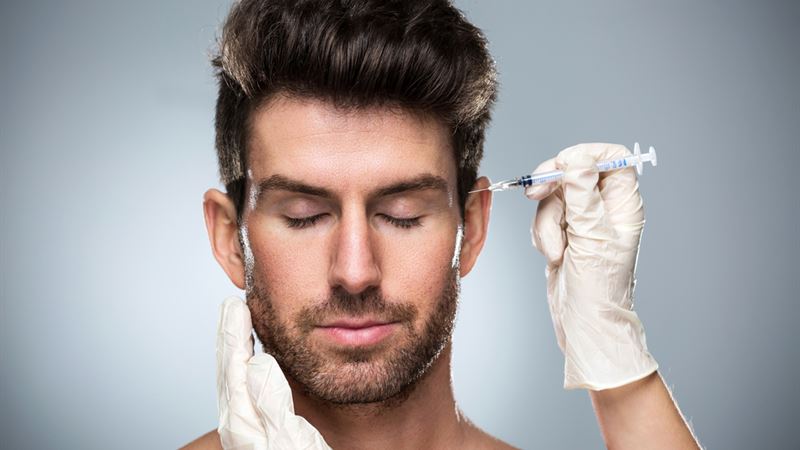
- Botox is one of the most popular non-invasive cosmetic treatments, with over 5 million procedures performed annually nationwide.
- Beyond aesthetic uses, Botox is increasingly being utilized to manage various medical conditions, including hyperhidrosis, migraines, muscle spasms, and urinary disorders.
- While generally safe when administered by qualified professionals, overdose or misuse can lead to serious health risks such as botulism, a potentially fatal condition.
- The cost for Botox treatments varies, typically ranging from $350 to $500 per session depending on the treatment area and expertise of the practitioner.
How Does Botox Work?
Botox contains botulinum toxin, a potent neurotoxin derived from the bacterium Clostridium botulinum. When injected in tiny, controlled doses, it blocks nerve signals that trigger muscle contractions, leading to muscle relaxation. The toxin targets the communication point between nerves and muscles, known as the neuromuscular junction.
In detail, nerve cells release a chemical messenger called acetylcholine, which binds to receptors on muscle cells, causing them to contract. Botox injections inhibit the release of acetylcholine, preventing muscle activation. This mechanism results in temporary paralysis or reduction of muscle activity, effectively diminishing wrinkles and smoothing the skin's appearance.
Understanding this process is crucial because it explains how Botox can be effectively used not only for cosmetic purposes but also for treating various medical conditions related to muscle overactivity.
Medical and Cosmetic Applications of Botox
Botox's versatility stems from its ability to target hyperactive muscles and nerve signals. The FDA has approved its use for several medical and cosmetic treatments, which include:
- Correction of glabellar lines (frown lines) between the eyebrows, and other facial wrinkles.
- Treatment of blepharospasm, characterized by spasms or excessive blinking of the eyelids.
- Management of cervical dystonia, a condition involving painful neck muscle contractions—often termed idiopathic rotational cervical dystonia.
- Relief from chronic migraines, especially for patients experiencing frequent and debilitating headaches.
- Treatment of hyperhidrosis, or excessive sweating, particularly in the underarms, palms, and soles.
- Misuse for on-label conditions such as urinary incontinence caused by overactive bladder, or detrusor overactivity.
Each of these applications leverages Botox's ability to modulate nerve signals and muscle activity, providing relief and aesthetic improvements.
How Is Botox Administered?
Botulinum toxin is prepared by diluting the powder in sterile saline solution to achieve the desired concentration. The treatment involves precise injections directly into targeted muscles or tissues. Practitioners typically use fine needles to administer the toxin, minimizing discomfort and ensuring accuracy.
Post-injection, it generally takes between 24 and 72 hours to observe noticeable effects. For some individuals, especially in certain medical cases, it may take up to five days before full results manifest. The effect duration varies depending on the treatment area, dose, and individual factors, generally lasting between three to six months.
Regular repeat treatments are often necessary to maintain results, especially for cosmetic purposes.
Potential Side Effects and Precautions
While Botox is considered safe when administered by trained healthcare professionals, it is essential to be aware of possible side effects and contraindications. Pregnant and lactating women should avoid Botox treatments due to potential risks to the fetus or infant.
Common side effects include:
- Dry mouth and fatigue.
- Neck weakness and overall feeling of tiredness.
- Temporary blurred vision or double vision.
- Swelling or mild pain at the injection site caused by fluid buildup.
- Skin redness (erythema) around the area of injection.
- Mild nausea, which may be accompanied by faint weakness or transient paralysis of nearby muscles.
- Difficulty swallowing, known as dysphagia, which warrants medical attention.
- Potential nerve-related issues such as brachial plexopathy, affecting nerves around the neck and shoulder area.
It is critical to have Botox administered by qualified practitioners who can evaluate individual health conditions and determine appropriate dosages. Careful screening reduces the risk of adverse effects and ensures optimal results.
In summary, Botox remains a highly effective treatment option for both cosmetic enhancement and various medical conditions. Its safety profile relies heavily on professional administration, adherence to recommended doses, and thorough understanding of patient-specific factors.