
Comprehensive Guide to Understanding Type I and Type II Diabetes
Explore the comprehensive differences between Type I and Type II diabetes, including causes, symptoms, prevention, and management strategies. Learn how early detection and lifestyle changes can significantly impact health outcomes and reduce complications. This detailed guide provides essential insights into one of the most common chronic conditions worldwide, emphasizing tailored treatment options and the importance of awareness for better health management.
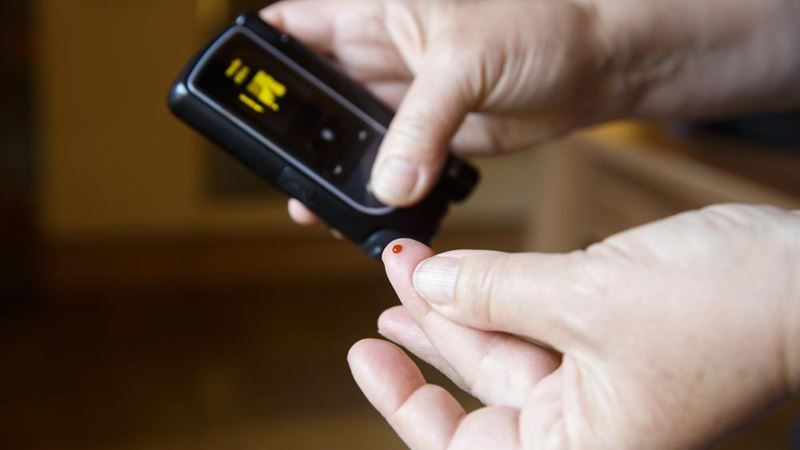
Diabetes mellitus is a complex group of metabolic disorders characterized by high blood sugar levels over a prolonged period. It is broadly classified into two primary types: Type I and Type II diabetes. While both conditions involve issues with insulin, they differ significantly in terms of causes, symptoms, progression, and management strategies. Gaining a clear understanding of these differences is crucial for recognizing symptoms early, managing the condition effectively, and making informed health decisions.
Type I diabetes, historically called juvenile-onset or insulin-dependent diabetes, accounts for roughly 5 to 10 percent of all diabetes cases worldwide. It predominantly affects children, teenagers, and young adults, but can occur at any age. This form of diabetes is primarily caused by an autoimmune response in which the body’s immune system mistakenly attacks the insulin-producing beta cells in the pancreas. Over time, this immune-mediated destruction leads to a near or complete absence of insulin production, making blood sugar regulation impossible without external insulin administration.
In contrast, Type II diabetes, also known as adult-onset or non-insulin-dependent diabetes, constitutes approximately 90 percent of all cases. Unlike Type I, it is often associated with lifestyle factors such as obesity, sedentary behavior, and poor diet, but genetic predisposition also plays a significant role. This form of diabetes involves insulin resistance, where the body's cells are less responsive to insulin. As the condition advances, pancreatic beta cells begin to produce less insulin, compounding the problem. The progression of Type II can be gradual, often developing over several years without noticeable symptoms.
Understanding the fundamental distinctions between these two types is essential for early detection and effective management. Here are some key comparative insights:
- The onset of symptoms varies; while Type I symptoms usually emerge rapidly during childhood or adolescence, Type II symptoms often develop slowly and might go unnoticed for years.
- Individuals with Type I diabetes typically seek medical help soon after symptoms appear, whereas those with Type II may remain undiagnosed for a long period because symptoms are subtle or absent.
- Low blood sugar episodes are common in people with Type I diabetes due to insulin therapy, whereas in Type II, hypoglycemia is less common unless the individual is on medication such as insulin or sulfonylureas.
- Prevention of Type I diabetes is currently not possible, as it is primarily autoimmune; however, Type II diabetes can often be delayed or prevented through lifestyle modifications such as maintaining a healthy weight, engaging in regular physical activity, and adopting balanced eating habits.
- The management strategies differ significantly: Type I diabetes necessitates lifelong insulin therapy, while Type II may be managed through lifestyle changes, oral medications, and sometimes insulin, especially in advanced cases.
Spotting the symptoms early enhances the chances of successful management and reduces the risk of complications like cardiovascular diseases, kidney failure, and nerve damage. Common symptoms for both types include frequent urination, excessive thirst, unexplained weight loss, fatigue, blurred vision, and slow-healing wounds. Notably, Type I diabetics may experience symptoms swiftly, prompting urgent medical attention, while Type II symptoms often develop gradually, leading to delayed diagnosis.
With ongoing advances in diabetes research, lifestyle factors have taken center stage in prevention and management. For example, weight control through dietary regulation and increased physical activity can significantly reduce the risk of developing Type II diabetes. Additionally, regular screening for at-risk populations, including those with obesity or a family history of diabetes, can facilitate early diagnosis and intervention.
In terms of treatment, insulin remains the cornerstone for managing Type I diabetes. Patients are trained to administer insulin injections or use insulin pump devices to regulate their blood sugar levels effectively. For Type II diabetes, initial treatment often involves lifestyle modifications combined with oral hypoglycemic agents such as metformin. In more advanced stages, insulin therapy may be necessary.
Furthermore, emerging therapies and continuous glucose monitoring devices have revolutionized diabetes management, enhancing quality of life and reducing risks of complications. Education and self-management are vital aspects, empowering patients to take control of their health, recognize warning signs, and adhere to prescribed treatment plans.
Understanding the differences, symptoms, and management options of Type I and Type II diabetes is critical for anyone at risk or diagnosed with the condition. Tailored treatment plans, lifestyle adjustments, and ongoing medical support can help individuals lead healthy, active lives despite their diagnosis. Recognizing early symptoms and adopting preventive measures are key steps toward reducing the global burden of diabetes and improving patient outcomes.