
Comprehensive Guide to Choosing the Perfect LED TV for Your Home
This extensive guide helps you navigate the complexities of selecting the ideal LED TV. Covering important topics such as optimal viewing distance, understanding technical terms, connectivity options, refresh rates, and additional features, it equips consumers to make informed purchase decisions. Whether you're a casual viewer or a gaming enthusiast, learn how to choose a TV that offers excellent picture quality, seamless connectivity, and future-proof features to enhance your entertainment experience for years to come.
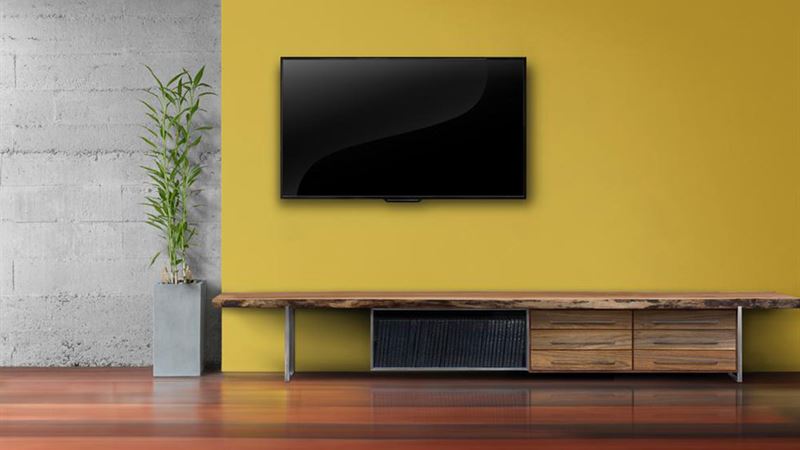
- Optimal Viewing Distance for a Crystal Clear Picture
One of the most important factors to consider before buying an LED TV is the optimal viewing distance. This distance ensures that you experience the best picture quality without straining your eyes or missing out on detail. For high-definition (HD) content, experts recommend that viewers sit approximately three times the height of the screen away from the TV. For instance, if you purchase a 55-inch TV, which typically has a height of about 27 inches, the ideal viewing distance should be roughly 81 inches or approximately 6.75 feet. For 4K Ultra HD TVs, the recommended viewing distance can be closer since the resolution allows for more detail without pixelation, often about 1.5 times the screen size.
Visiting a physical store offers the best opportunity to gauge the right distance. Stand back at various distances to see how the picture appears and prioritize comfort and clarity. Proper positioning enhances your viewing experience—whether you’re watching movies, sports, or gaming—by reducing eye strain and ensuring vibrant picture quality. Remember, a well-placed TV not only improves your viewing pleasure but also complements your room's aesthetic.
- Understanding TV Terminologies and Features
When shopping for an LED TV, you will encounter numerous terms such as Smart TV, OLED, LCD, projection TV, and more. These can often be confusing for buyers unfamiliar with current technology. It’s essential to understand that, at their core, most modern TVs are either LCD or LED screens. The terms OLED (Organic Light Emitting Diode) and projection are specific types of display technology that offer different benefits in terms of picture quality, contrast, and viewing angles.
Many salespersons tend to use fancy jargon to upsell or confuse potential buyers. Therefore, it is beneficial to focus on core specifications rather than marketing terms. For example, an LED TV is actually a type of LCD TV that uses light-emitting diodes for backlighting, providing brighter images and better energy efficiency. OLED screens, on the other hand, allow each pixel to emit its own light, resulting in superior contrast ratios and more vibrant colors. Choosing the right type depends on your budget, room lighting conditions, and picture quality preferences.
- Connectivity Options and Ports
Another critical aspect when selecting an LED TV is the connectivity options available. HDMI ports are essential for connecting external devices such as gaming consoles, streaming devices like Chromecast, soundbars, and Blu-ray players. Check the number of HDMI ports; a standard LED TV should have at least three to four to accommodate multiple devices simultaneously. Fewer ports can be limiting, especially if you plan to connect several gadgets at once.
Additionally, look for other ports such as USB, component, and composite inputs. USB ports allow you to connect external storage devices to view photos or videos directly. Some modern TVs also feature Ethernet ports for wired internet connections, offering more stable streaming experience. Wireless connectivity options like Wi-Fi and Bluetooth further expand your options for streaming and connecting peripherals seamlessly.
- Refresh Rate and Motion Handling
The refresh rate of a TV, measured in Hertz (Hz), indicates how many times the screen updates per second. Standard LCD or LED TVs typically have a refresh rate of 60Hz, which is adequate for regular viewing. However, fast-moving scenes in sports, action movies, or gaming can appear blurry or juddery on a 60Hz display.
To mitigate this, many manufacturers now offer higher refresh rates such as 120Hz, 240Hz, or even 480Hz. A higher refresh rate results in smoother motion reproduction, providing clearer images during quick movements. For an optimal viewing experience, especially for gamers or sports enthusiasts, selecting a TV with at least a 120Hz refresh rate is recommended.
It’s also helpful to consider features like motion interpolation or frame insertion technologies, which help create smoother transitions and reduce motion blur. Always verify the actual specifications rather than relying solely on marketing claims, and if possible, view demonstrations of motion handling in-store before making a purchase.
- Additional Features to Consider
Modern LED TVs come equipped with a variety of features designed to enhance your entertainment experience. These include HDR (High Dynamic Range), which improves contrast and color accuracy, and local dimming, which enhances black levels for deeper dark scenes. Smart TV functionality allows access to streaming services, apps, and web browsing without additional devices.
Sound quality is another vital aspect—consider models with built-in speakers that offer immersive audio or plan to connect a separate sound system for a theater-like experience. Additionally, design elements such as bezel width, stand style, and mounting options can influence your aesthetic preference and space utilization.
Before finalizing your purchase, read customer reviews and expert evaluations to gauge real-world performance and reliability. Ensuring the TV supports your preferred apps, connection types, and viewing habits will help you enjoy your investment for years to come.
By paying attention to these critical factors—viewing distance, display technology, connectivity, refresh rates, and extra features—you can select an LED TV that perfectly fits your entertainment needs and room environment. Take your time to compare models, visit stores for demos, and understand the technical specifications to make an informed decision. A carefully chosen LED TV will provide you with countless hours of high-quality entertainment, whether you’re relaxing alone or hosting family and friends.