
Essential Guide to Purchasing and Maintaining Above Ground Swimming Pools
This comprehensive guide covers all essential aspects of purchasing and maintaining above ground pools. Learn about costs, types, installation permits, and maintenance tips to ensure a safe, durable, and enjoyable swimming experience. Expert advice helps you make informed decisions tailored to your budget and space. Discover how to extend your pool's lifespan and choose the right model with ease, ensuring years of family fun and relaxation.
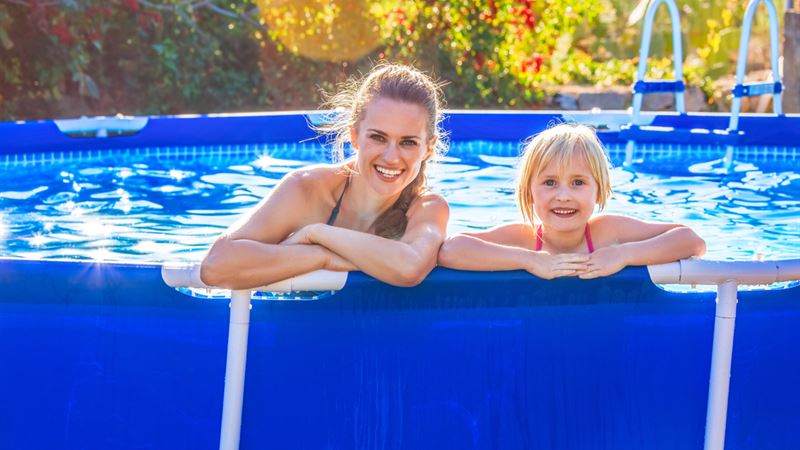
Choosing the right above ground pool involves understanding various factors including costs, types, installation requirements, permits, and maintenance. Whether you're considering adding a pool for family fun, exercise, or entertainment, this comprehensive guide aims to equip you with the necessary knowledge to make an informed decision. From budget considerations to long-term care, explore what you need to know before purchasing your above ground swimming pool.
How Much Does an Above Ground Pool Cost?
- The pricing of above ground pools varies widely, primarily influenced by quality, size, shape, and additional features. Budget models can start as low as $200, suitable for temporary or small-scale use, whereas premium models can reach up to $62,000, offering durability, larger sizes, and advanced features.
- Location can impact prices marginally, especially if delivery or installation services are needed in remote areas. However, the size of the pool remains the primary determinant of cost. Larger pools, such as those with diameters exceeding 24 feet or custom shapes, typically command higher prices.
- Moreover, the material quality and design complexity—such as inflatable rings versus rigid frames—also significantly influence the overall price. High-end models may include features like built-in ladders, filtration systems, or heating options, which increase expenses.
Installation Costs and Professional Setup
- Opting for expert installation can enhance safety and ensure proper setup. Professional assembly services often add between $1000 and $3000 to your initial pool purchase price, depending on the pool’s size and complexity.
- Professional installers ensure the ground preparation, correct assembly, and safety measures like secure anchoring, which help prolong the pool's lifespan and prevent accidents.
- Preparing your backyard before installation—such as leveling the ground, removing obstacles, and ensuring adequate drainage—also impacts total costs and ease of setup.
Permitting Requirements for Pool Installation
- Before installing an above ground pool, it's crucial to check local regulations. Some municipalities require permits based on pool size, depth, or safety features.
- Generally, pools less than 48 inches deep do not require permits, but it's essential to confirm specific local ordinances. Compliance with installation protocols in the manufacturer’s instructions is vital regardless of permit requirements.
- For pools exceeding 48 inches in depth, permits are typically mandatory. To obtain one, you may need to submit a site plan, proof of property ownership or tax exemption, and valid identification.
- In addition, local regulations may specify safety fencing or barriers, which should be considered during installation to avoid violations or penalties.
Exploring Different Types of Above Ground Pools
- Above ground pools differ primarily in design, size, and mechanism of operation. Selecting the right type depends on your space, budget, and intended use.
- Ring Pools: Also known as float-to-fill pools, these are compact, portable, and easy to set up. They are usually about 12 feet in diameter and 3 feet in height, manufactured from durable vinyl with an inflatable ring at the top. Their simplicity makes them popular for temporary or seasonal use.
- Frame Pools: These are more robust and versatile, built with a sturdy metal frame supporting a pool liner. Frame pools can withstand weather variations and can be used year-round if maintained properly. They come in various shapes including rectangular, oval, and round, with popular sizes around 24 feet in diameter.
- Other variants include Intex, Metal Frame, and Above Ground Pools with added features such as stairs, filters, and automated cleaning systems, catering to different preferences and budgets.
Maximizing the Longevity of Your Above Ground Pool
- While in-ground pools can last several decades, above ground pools generally have a shorter lifespan, typically spanning 10 to 15 years. Factors such as quality, maintenance, and seasonal disassembly influence durability.
- Proper maintenance is crucial; regular cleaning, chemical balancing, and timely repairs can extend your pool’s useful life. Avoid using the pool improperly or neglecting routine checks.
- Disassembling the pool promptly during off-seasons or adverse weather conditions prevents damage caused by exposure to elements like snow, ice, or intense sunlight.
- Investing in high-quality materials and following manufacturer guidelines during installation and maintenance can significantly enhance your above ground pool's lifespan, potentially reaching 25 to 30 years with proper care.
- Additional tips include inspecting and replacing worn-out liners or filters, covering the pool when unused, and storing equipment properly during winter to prevent deterioration.