
Comprehensive Guide to Planning and Executing Home Foundation Repairs
This comprehensive guide explores the essential aspects of planning home foundation repairs. From identifying issues, estimating costs, selecting qualified contractors, to preparing your home, the article provides detailed insights to help homeowners ensure a successful repair process that guarantees safety, stability, and long-term durability of their property.
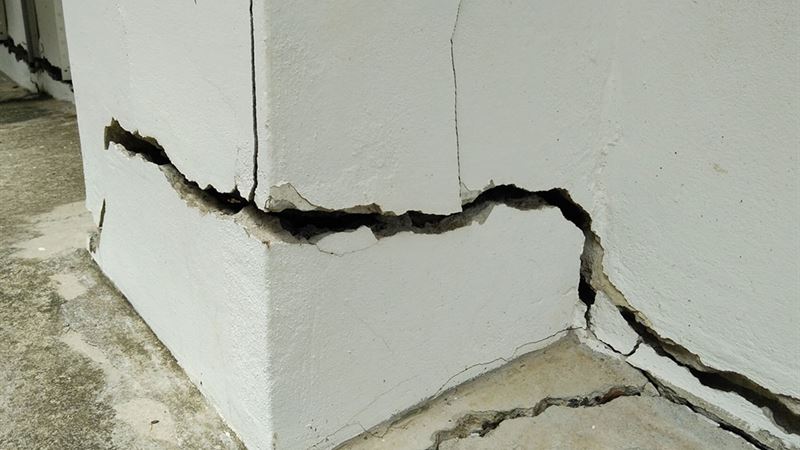
Addressing foundation problems promptly is essential to maintain the structural integrity of your home and prevent costly damages in the future. Foundation issues can manifest in various ways, and recognizing early signs is crucial for homeowners. In this extensive guide, we will delve into critical considerations for planning foundation repairs, understanding associated costs, selecting qualified contractors, preparing your home, and ensuring a smooth repair process that restores safety and stability.
**Identifying Foundation Issues: Common Signs and Symptoms**
Foundation damage can be subtle initially but often becomes more noticeable over time. Homeowners should watch for warning indicators that suggest underlying foundation problems. These signs include:
**Understanding Foundation Repair Costs**
The expense involved in foundation repairs varies widely depending on the nature and severity of the problem, the type of foundation, and the extent of excavation required. Typically, costs range from around £1,000 to over £50,000. Basic repairs, such as minor crack sealing or reinforcement, could cost a few thousand pounds. In contrast, major issues like foundation underpinning or complete rerouting can escalate expenses significantly.
For instance, fixing minor cracks may be around £1,000 to £3,000, while more complex procedures like underpinning, which involves strengthening and stabilizing the foundation hub, can cost between £10,000 and £30,000. Severe cases like subsidence, where the land beneath the property sinks or shifts, might require extensive stabilization measures, pushing costs up to £50,000 or more.
**Finding Reliable and Skilled Contractors**
Choosing the right contractor is paramount to ensure quality work and long-term stability. Reliable foundation repair contractors possess proper licensing, insurance, and a track record of successful projects. Here are methods to identify reputable professionals:
Once you've compiled a shortlist, consider these pivotal factors to choose the best contractor for your project:
Before starting any repair work, taking proper preparations will ensure safety and facilitate efficient progress. Focus on the following:
The actual repair process often involves advanced techniques and heavy equipment. Contractors typically undertake steps such as excavation, soil stabilization, pier installation, or underpinning to restore foundation stability. Regular communication with your contractor during this phase helps track progress and address any emerging concerns promptly.
**Identifying Foundation Issues: Common Signs and Symptoms**
Foundation damage can be subtle initially but often becomes more noticeable over time. Homeowners should watch for warning indicators that suggest underlying foundation problems. These signs include:
- Leaning or cracked chimneys, which indicate shifting or settling issues
- Poor water drainage around the property, leading to water accumulation and soil erosion
- Moisture in crawlspaces or basements, which can weaken foundation materials
- Warped or sagging floors and ceilings, reflecting uneven settling
- Nails popping out of drywall or loose fittings, signaling structural movement
- Cracks appearing in walls, drywall, or flooring surfaces
- Gaps between windows, doors, and their frames, affecting security and insulation
- Sinking or uneven floors that create tripping hazards
**Understanding Foundation Repair Costs**
The expense involved in foundation repairs varies widely depending on the nature and severity of the problem, the type of foundation, and the extent of excavation required. Typically, costs range from around £1,000 to over £50,000. Basic repairs, such as minor crack sealing or reinforcement, could cost a few thousand pounds. In contrast, major issues like foundation underpinning or complete rerouting can escalate expenses significantly.
For instance, fixing minor cracks may be around £1,000 to £3,000, while more complex procedures like underpinning, which involves strengthening and stabilizing the foundation hub, can cost between £10,000 and £30,000. Severe cases like subsidence, where the land beneath the property sinks or shifts, might require extensive stabilization measures, pushing costs up to £50,000 or more.
**Finding Reliable and Skilled Contractors**
Choosing the right contractor is paramount to ensure quality work and long-term stability. Reliable foundation repair contractors possess proper licensing, insurance, and a track record of successful projects. Here are methods to identify reputable professionals:
- Online review platforms: Websites like Trustpilot, Yelp, or specialized home improvement portals provide reviews and ratings from previous clients, helping narrow down options.
- Referrals and recommendations: Asking friends, family, neighbors, or colleagues for personal recommendations can lead to trusted service providers with proven expertise.
- Local directories and community resources: Local business listings, newspapers, and community bulletin boards often feature experienced contractors in your area.
Once you've compiled a shortlist, consider these pivotal factors to choose the best contractor for your project:
- Conduct preliminary inspections: Schedule an initial assessment. Reputable contractors will use specialized tools and techniques, such as laser levels, moisture meters, and soil testing, to evaluate the foundation's condition and damage scope. They will provide a detailed estimate and outline the necessary repairs.
- Discuss project timelines: Clarify how long the repairs are expected to take. Typical foundation repairs may span from a few days to several weeks, depending on complexity. Opt for contractors who can complete the work promptly without compromising quality.
- Verify insurance coverage: Foundation repair involves heavy equipment and potentially hazardous tasks. Confirm that your contractor has valid liability and workers’ compensation insurance to avoid liabilities for accidents or injuries during the project.
- Check credentials and certifications: Look for relevant industry accreditations, certifications from recognized bodies, and memberships in professional associations, indicating a contractor's credibility and commitment to quality standards.
- Assess experience: Prior experience with similar foundation issues ensures the contractor understands the nuances of the repair process and can handle unexpected complications efficiently.
- Review customer feedback: Read reviews and testimonials to learn about previous clients' experiences. High satisfaction ratings often correlate with dependable services.
- Explore online presence: Review the contractor’s social media profiles, website, and portfolio. A well-maintained online profile showcasing completed projects and satisfied clients indicates professionalism.
Before starting any repair work, taking proper preparations will ensure safety and facilitate efficient progress. Focus on the following:
- Clear the work area: Remove furniture, decor, and valuables from areas where workers will operate. This prevents damage and allows unobstructed access to the foundation zones.
- Protect belongings: Pack away electronics, collectibles, and fragile items. Cover furniture with tarps or plastic sheets if necessary to guard against dust or debris.
- Ensure safety for residents and pets: Keep children and pets away from the work zone to prevent accidents or injuries, especially during noisy or disruptive procedures.
- Plan for temporary relocation: Foundation repairs can be noisy and potentially hazardous. It’s wise to arrange alternative accommodations if the work is extensive, especially if you have elderly family members, young children, or pets. Moving temporarily ensures peace of mind and safety for everyone involved.
The actual repair process often involves advanced techniques and heavy equipment. Contractors typically undertake steps such as excavation, soil stabilization, pier installation, or underpinning to restore foundation stability. Regular communication with your contractor during this phase helps track progress and address any emerging concerns promptly.