
Comprehensive Guide to Selecting the Ideal Commercial Real Estate for Your Business
This comprehensive guide helps entrepreneurs and investors navigate the complex process of selecting the perfect commercial property. Covering location, research, expert advice, inspections, risk assessment, and financial evaluation, it offers practical tips to make informed real estate decisions. Investing in commercial real estate can lead to high returns if approached strategically, emphasizing importance of thorough analysis and expert consultation. Whether leasing or buying, this detailed overview ensures you are well-equipped to choose a property that aligns with your business goals, maximizes profitability, and mitigates risks for long-term success.
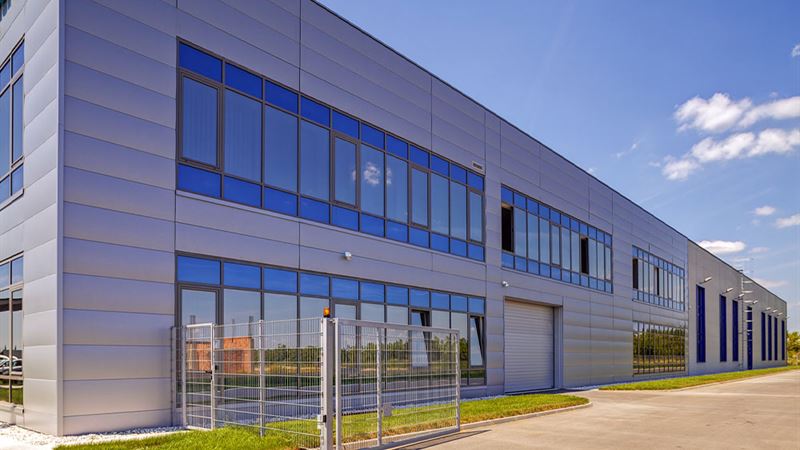
Finding the perfect commercial property is a critical step for entrepreneurs, business owners, and investors looking to expand or establish a new operation. In today’s competitive market, acquiring the right commercial space involves more than just browsing listings; it requires strategic planning, diligent research, and expert advice. With a variety of marketing channels, from digital advertisements to traditional print ads, the process of locating a suitable commercial property has become more accessible yet complex. Unlike residential real estate, commercial properties are generally marketed with a higher level of professionalism and rely on detailed, specific listings that cater to business needs. Potential buyers and lessees must navigate multiple platforms to find properties that match their requirements, whether for retail, office, industrial, or other commercial uses.
Location is undeniably one of the most significant factors in selecting a commercial property. An optimal location can make or break the success of your business. For instance, if you're planning to set up a retail store or dine-in restaurant, you need a space situated in a high-traffic area with convenient access and visibility. For businesses requiring manufacturing or industrial operations, proximity to transportation links, ports, or industrial zones is essential. Also, compliance with local government zoning regulations is crucial; your chosen space must meet various legal requirements concerning its size, usage, and accessibility standards. These considerations help ensure that your business not only operates smoothly but also adheres to legal standards, preventing future complications.
For those seeking rental opportunities or leasing options, starting with specific search terms like “commercial property for rent near me” or “office space lease listings” can streamline your search process. Online platforms, real estate apps, and local brokers can provide comprehensive lists of available properties tailored to your preferred location and budget. When exploring these listings, it’s important to consider several critical factors to make an informed decision:
Perform thorough research
Understanding the commercial market in your target area is vital. Conduct analysis to assess whether the property will generate acceptable profitability, considering factors such as foot traffic, competition, and demographic trends. Investigate the existing records of the property to ensure there are no outstanding legal issues or liens. Recommendations from industry peers, business networks, or trusted real estate agents can be invaluable. Utilize online resources and navigation tools to narrow down your options, creating a shortlist of properties that meet your criteria. This foundational research helps you avoid costly mistakes and ensures your investment aligns with your business goals.
Consult industry experts
Making long-term investments in commercial real estate warrants the advice of professionals. Consulting with experienced real estate agents, property lawyers, accountants, and business advisors can provide a comprehensive understanding of the potential risks and returns. These experts review the property's valuation, legal standing, and market outlook. Engaging a local realtor familiar with your target area can help identify hidden opportunities and pitfalls, especially if the location is unfamiliar territory. Multiple opinions can prevent bias and provide a balanced view, ensuring your decision is informed, strategic, and financially sound. Remember, purchasing commercial property is a significant financial commitment that necessitates careful planning and expert input.
Evaluate diverse options
Once you’ve identified a promising property, explore all available options—whether leasing, renting, or outright buying. Different businesses have varying needs; for instance, a startup may prefer flexible leasing agreements, while established firms might opt for buying to secure long-term stability. Analyze the types of properties available in your chosen area, which could include office buildings, retail outlets, warehouses, or mixed-use spaces. Budget constraints, operational requirements, and future growth plans should guide your choice. If your business is service-oriented with a focus on customer interaction, retail spaces or storefronts near busy intersections are ideal. Conversely, if you need storage or manufacturing space, industrial zones might be better suited to your needs.
Conduct comprehensive property inspections
Before finalizing any deal, perform a detailed inspection of the shortlisted properties. Fundamental amenities such as internet connectivity, water supply, drainage, and electricity must meet your business demands. The physical condition of the building, including structural integrity, ventilation, lighting, and fire safety measures, should also be evaluated. The surrounding environment influences the day-to-day operations and safety; for example, proximity to industrial zones may be advantageous for logistics but less suitable for customer-facing businesses. Ensure the property complies with all safety and zoning regulations. Visiting the site multiple times and consulting engineers or building inspectors can help you identify hidden issues that could incur future costs.
Assess potential risks
Investing in commercial real estate involves inherent risks, such as market fluctuations, fluctuating interest rates, and changing zoning laws. A thorough risk assessment, guided by experienced advisors, is essential. Insurance coverage must be carefully examined—determining if the property has sufficient liability, fire, theft, and special coverage. The location’s attractiveness to future tenants or buyers is also a crucial consideration; properties in declining neighborhoods or areas prone to natural disasters carry higher risks. It's wise to choose properties that offer a buffer against potential market downturns and have a clear plan for risk mitigation. Balancing potential rewards against the possible pitfalls ensures a prudent investment aligned with your financial capacity and business objectives.
Estimate expected returns
Financial viability is at the core of any real estate investment decision. Calculate the expected rental income or profits after deducting taxes, insurance, maintenance, and management costs. Consider factors such as current market rent rates, vacancy trends, and potential appreciation. The return on investment (ROI) should be competitive, reflecting the risks undertaken and the capital invested. For properties intended for sale, analyze projected resale values based on market trends. For rental properties, ensure the net cash flow aligns with your financial goals. Proper financial analysis minimizes surprises and helps determine whether a property provides sustainable income and growth potential over the long term.
Today’s digital age simplifies the process of exploring commercial property listings. Real estate platforms and mobile apps allow users to filter options based on location, price, size, and property type, making it easier to find suitable options. Choosing the right property is akin to selecting a key business partner—important for your future success. Investors should scrutinize all financial aspects and perform due diligence before committing to a purchase or lease agreement. Though investing in commercial real estate involves higher stakes than residential properties, the potential for substantial returns makes it a lucrative avenue. Taking time to research, consult professionals, and evaluate options ensures your investment will support and elevate your business growth.