
Ultimate Guide to Toys and Games That Promote Holistic Child Development
Discover a comprehensive guide to choosing toys and games that support every aspect of a child's development. From motor skills and creativity to problem-solving and social abilities, learn how to select engaging, safe, and educational toys that foster holistic growth for children at different stages. This detailed article offers practical tips and creative ideas to make learning fun and effective, ensuring your child's development is well-rounded, balanced, and full of joy.
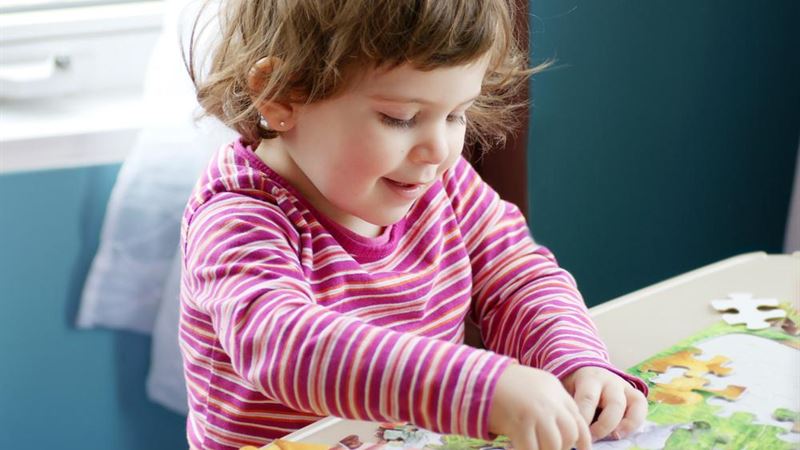
As children grow, they often begin to show a preference for one hand over the other, which is a normal part of development. To ensure balanced growth, it's crucial to provide activities that engage both sides of their body. Toys such as ride-on vehicles, swings, and shape sorting games are excellent tools for fostering gross motor skills, helping children develop better coordination, strength, and balance from a young age. These toys not only entertain but also contribute significantly to physical development, setting a foundation for more complex motor activities later in life.
Introduction to art and creativity often begins with simple tools like crayons. Drawing, finger painting, and scribbling on paper or walls serve as vital early artistic experiences. These activities do more than entertain; they enhance fine motor skills necessary for tasks like writing, using utensils, zipping, and buttoning. Encouraging kids to explore their creativity cultivates their ability to generate new ideas and express themselves visually. Such artistic pursuits can be continuously nurtured with a variety of age-appropriate art supplies, helping kids build confidence and an appreciation for creative expression.
Creative play extends beyond arts and crafts, playing a critical role in problem-solving and cognitive development. Engaging children in games that stimulate thinking, imagination, touch, and problem-solving abilities fosters essential mental skills. For instance, puzzles and building blocks teach kids to analyze, plan, and execute solutions. These types of activities encourage critical thinking and decision-making skills, which are fundamental for academic success and everyday life.
It's worth noting that quality educational toys don't necessarily require a hefty investment. Parents can create engaging and affordable toys using everyday household items and simple craft supplies. For example, maps, animal pictures, country flags, and food imagery can be assembled into DIY puzzles tailored to your child's age. These homemade resources are not only cost-effective but also customizable, making learning enjoyable and relevant to your child's world. Such activities reinforce recognition, memory, and categorization skills, all vital components of early childhood education.
Role-playing games are invaluable for developing social skills and expanding the imagination. Children can simulate real-world scenarios, practice social interactions, and explore different roles and identities—all without the need for expensive toys. Everyday household items like pillows, cushions, sheets, empty boxes, and utensils can be transformed into forts, castles, markets, or kitchens. These imaginative setups foster creativity, promote teamwork, and improve communication skills. Such play also helps children understand social norms and develop empathy by experiencing different perspectives.
Language development can be significantly boosted through playful activities. Word puzzles, alphabet songs, interactive books, musical toys, and instruments serve as effective tools for expanding vocabulary and improving pronunciation. These activities encourage children to experiment with sounds, recognize patterns, and develop early literacy skills. Regular exposure to language-rich play environments fosters a love for reading and communication, laying a strong foundation for academic success.
While choosing toys, prioritize safety and quality. Instead of opting for cheap, poorly-made plastic toys from markets, select simple, durable toys crafted from non-toxic materials. The goal is to help children grasp key concepts through engaging play rather than merely entertaining them. Happy, motivated children tend to learn better, so choose toys that stimulate their curiosity and creativity. Remember, the most impactful toys are often those that blend safety, educational value, and fun, helping children grow holistically—mentally, socially, and physically.