
Why Ride-On Toys Make the Perfect Gift for Children: Benefits and Tips
Discover the numerous benefits of ride-on toys for children's development. From fostering social interaction and boosting creativity to improving motor skills and balance, these toys are a valuable addition to any child's playtime. Learn how to choose the perfect ride-on toy for different ages and interests, and see why they make fantastic gifts for outdoor fun and learning.
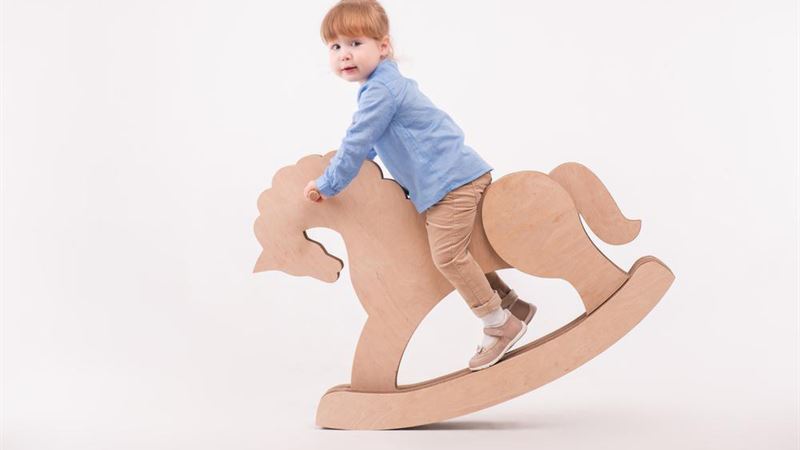
Choosing the right gift for children can be both exciting and challenging. Among the many options available, ride-on toys stand out as an excellent choice, offering a blend of fun, learning, and development. Whether it's a birthday, holiday, or just a special surprise, ride-on toys are sure to bring joy and numerous developmental advantages to kids. This comprehensive guide explores the reasons why these toys are so beneficial, how they promote essential skills, and tips for selecting the best ride-on toys for different age groups and interests.
Kids love outdoor activities, and ride-on toys provide a perfect way to enjoy open spaces such as gardens, parks, and playgrounds. They are versatile, engaging, and capable of transforming ordinary outdoor time into an adventure filled with learning and fun. This article will delve deeper into the multifaceted benefits of ride-on toys, including their role in fostering cooperation, enhancing creativity, improving physical skills, and boosting cognitive development.
**Fostering Cooperation and Social Skills**
One of the key advantages of ride-on toys is their ability to promote social interaction among children. Many ride-on toys require children to take turns or work together, nurturing cooperation and sharing. When children learn to share a ride or assist each other in pushing or maneuvering toys, they develop important social skills such as patience, empathy, and communication. These interactions help build a foundation for lasting friendships and cooperative behavior in other settings. Encouraging children to lend their ride-on toys to others and take turns can teach valuable lessons about generosity and fairness.
**Stimulating Creativity and Imaginative Play**
Ride-on toys serve as a catalyst for imaginative and pretend play. Kids often invent stories, scenarios, and roles while exploring their surroundings on these toys. Whether imagining a race through the jungle, a space expedition, or a rescue mission, children use their creativity to transform simple toys into tools for storytelling. This type of play encourages problem-solving, role-playing, and narrative building, which are crucial for cognitive development. Additionally, engaging in pretend play helps children understand real-world concepts and social dynamics, fostering emotional growth and confidence.
**Physical Development and Motor Skills**
Physical activity is crucial for children's health and development. Ride-on toys help strengthen gross motor skills by requiring children to use their arms, legs, and core muscles. The act of steering, pushing, and balancing on these toys enhances coordination and motor control. The better children can control their movements, the more confident they'll become in performing daily activities and participating in sports or physical exercises later in life. Regular use of ride-on toys also encourages active outdoor play, which is essential for maintaining a healthy weight and improving cardiovascular health.
**Balance and Stability Building**
Good balance is a fundamental skill that affects many physical activities, from sports to everyday tasks. Riding on toys helps children develop their sense of balance and stability. As kids learn to stabilize themselves on the toy, they build confidence and physical awareness. This foundation is vital for more complex activities in the future, such as skating, surfing, or skiing. The initial experience of balancing on a ride-on toy can make children more willing and prepared to try new sports and activities that require coordination and stability.
**Enhancing Spatial Awareness and Cognitive Skills**
Playing with ride-on toys involves understanding spatial relationships, distances, and the positioning of objects. Kids learn to maneuver around obstacles, judge when to slow down, stop, or swerve, and navigate through a space confidently. These skills bolster spatial awareness, an essential cognitive capability that impacts learning and daily life. Improved spatial understanding helps children with tasks like reading maps, solving puzzles, and understanding geometry. It also fosters the ability to analyze and plan movements, which are critical thinking skills.
**Versatility and Suitability for Different Settings**
Ride-on toys are incredibly versatile, making them suitable for various environments such as home yards, school playgrounds, daycare centers, and community parks. Available in a wide array of shapes, sizes, and designs, they cater to children of different ages and interests. From small foot-to-floor scooters to larger ride-on cars and bikes, there is a suitable option for every child. Their portability and ease of use make them a popular choice among parents, educators, and caregivers seeking engaging and constructive entertainment.
**Choosing the Right Ride-On Toy**
When selecting a ride-on toy, consider the child's age, interests, and physical abilities. Ensure the toy is sturdy, safe, and appropriate for the child's weight and size. Opt for models with safety features like non-slip pedals, secure handles, and smooth edges. Bright colors and engaging designs can enhance visual appeal and stimulate a child's interest. Additionally, some ride-on toys come with additional features like storage compartments, music, or speed controls, adding extra layers of fun and functionality.
In conclusion, ride-on toys are more than just playthings; they are powerful tools for childhood development. They encourage social skills, spark creativity, promote physical health, and enhance cognitive abilities. Whether for outdoor fun at home, school activities, or daycare play, these toys offer endless benefits and entertainment. If you're searching for an engaging, educational, and versatile gift for children, ride-on toys are undoubtedly an excellent choice that can support their growth and happiness for years to come.
Kids love outdoor activities, and ride-on toys provide a perfect way to enjoy open spaces such as gardens, parks, and playgrounds. They are versatile, engaging, and capable of transforming ordinary outdoor time into an adventure filled with learning and fun. This article will delve deeper into the multifaceted benefits of ride-on toys, including their role in fostering cooperation, enhancing creativity, improving physical skills, and boosting cognitive development.
**Fostering Cooperation and Social Skills**
One of the key advantages of ride-on toys is their ability to promote social interaction among children. Many ride-on toys require children to take turns or work together, nurturing cooperation and sharing. When children learn to share a ride or assist each other in pushing or maneuvering toys, they develop important social skills such as patience, empathy, and communication. These interactions help build a foundation for lasting friendships and cooperative behavior in other settings. Encouraging children to lend their ride-on toys to others and take turns can teach valuable lessons about generosity and fairness.
**Stimulating Creativity and Imaginative Play**
Ride-on toys serve as a catalyst for imaginative and pretend play. Kids often invent stories, scenarios, and roles while exploring their surroundings on these toys. Whether imagining a race through the jungle, a space expedition, or a rescue mission, children use their creativity to transform simple toys into tools for storytelling. This type of play encourages problem-solving, role-playing, and narrative building, which are crucial for cognitive development. Additionally, engaging in pretend play helps children understand real-world concepts and social dynamics, fostering emotional growth and confidence.
**Physical Development and Motor Skills**
Physical activity is crucial for children's health and development. Ride-on toys help strengthen gross motor skills by requiring children to use their arms, legs, and core muscles. The act of steering, pushing, and balancing on these toys enhances coordination and motor control. The better children can control their movements, the more confident they'll become in performing daily activities and participating in sports or physical exercises later in life. Regular use of ride-on toys also encourages active outdoor play, which is essential for maintaining a healthy weight and improving cardiovascular health.
**Balance and Stability Building**
Good balance is a fundamental skill that affects many physical activities, from sports to everyday tasks. Riding on toys helps children develop their sense of balance and stability. As kids learn to stabilize themselves on the toy, they build confidence and physical awareness. This foundation is vital for more complex activities in the future, such as skating, surfing, or skiing. The initial experience of balancing on a ride-on toy can make children more willing and prepared to try new sports and activities that require coordination and stability.
**Enhancing Spatial Awareness and Cognitive Skills**
Playing with ride-on toys involves understanding spatial relationships, distances, and the positioning of objects. Kids learn to maneuver around obstacles, judge when to slow down, stop, or swerve, and navigate through a space confidently. These skills bolster spatial awareness, an essential cognitive capability that impacts learning and daily life. Improved spatial understanding helps children with tasks like reading maps, solving puzzles, and understanding geometry. It also fosters the ability to analyze and plan movements, which are critical thinking skills.
**Versatility and Suitability for Different Settings**
Ride-on toys are incredibly versatile, making them suitable for various environments such as home yards, school playgrounds, daycare centers, and community parks. Available in a wide array of shapes, sizes, and designs, they cater to children of different ages and interests. From small foot-to-floor scooters to larger ride-on cars and bikes, there is a suitable option for every child. Their portability and ease of use make them a popular choice among parents, educators, and caregivers seeking engaging and constructive entertainment.
**Choosing the Right Ride-On Toy**
When selecting a ride-on toy, consider the child's age, interests, and physical abilities. Ensure the toy is sturdy, safe, and appropriate for the child's weight and size. Opt for models with safety features like non-slip pedals, secure handles, and smooth edges. Bright colors and engaging designs can enhance visual appeal and stimulate a child's interest. Additionally, some ride-on toys come with additional features like storage compartments, music, or speed controls, adding extra layers of fun and functionality.
In conclusion, ride-on toys are more than just playthings; they are powerful tools for childhood development. They encourage social skills, spark creativity, promote physical health, and enhance cognitive abilities. Whether for outdoor fun at home, school activities, or daycare play, these toys offer endless benefits and entertainment. If you're searching for an engaging, educational, and versatile gift for children, ride-on toys are undoubtedly an excellent choice that can support their growth and happiness for years to come.